See more like this on Google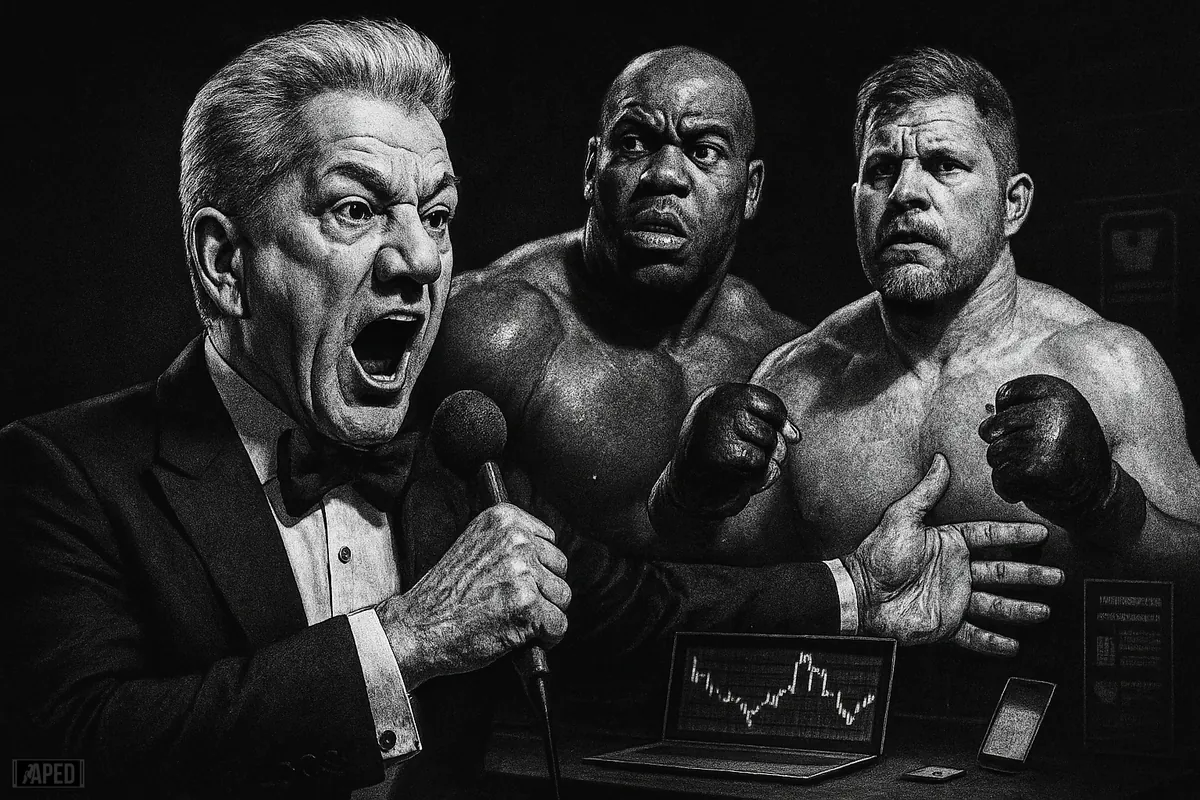
Share article
Share article
Moments later, the call was corrected. Fortune was confirmed as the actual winner. The market repriced instantly, and the trader walked away with a profit of roughly $67,000, or about a 100x return on the position. [1]
Enjoy articles without ads?
Register for free and get unlimited access to all articles.
What happened
The trade centered on a live market tied to the result of the fight between Tyrell Fortune and Marcin Tybura. When Buffer briefly announced Tybura as the winner, Polymarket participants dumped Fortune contracts, apparently treating the spoken result as final. [1]
That opened a tiny window for anyone who believed the announcement did not match the fight outcome. LlamaEnjoyer stepped in and bought aggressively while Fortune shares were priced at $0.01, implying the market saw almost no chance of reversal. Sure.
When Buffer corrected the announcement and declared Fortune the winner, those same contracts revalued toward a full payout. On prediction markets, where winning shares settle at $1 and losing shares at $0, that kind of temporary mispricing can turn a small bet into an outsized gain very quickly.
Why this mattered
This was not a case of deep modeling, insider flow, or some elaborate onchain edge. It was a latency trade created by human error.
The reported math is straightforward. A $676 purchase at 1 cent per share buys about 67,600 shares. If the contract resolves in your favor at $1, the gross payout lands near $67,600. Not bad for a few seconds of conviction. [1]
The bigger takeaway for Polymarket
For Polymarket, the incident is less about one lucky trade and more about how fast event-driven markets can break when the underlying source feed gets messy. Live sports contracts are especially vulnerable because they rely on immediate interpretation of broadcasts, commentary, and official calls, any of which can be wrong for a moment.
That does not mean the market failed completely. In a way, it did what markets do: it overreacted to new information, then corrected when better information arrived. But the speed of the collapse to 1 cent suggests many traders treated a single announcement as enough to fully price the outcome, with little room for doubt.
What to watch next
The practical question is whether platforms like Polymarket adjust how they frame live sports markets after episodes like this. Traders will want clearer expectations around what counts as decisive information in fast-moving events, especially when official announcements can be reversed within seconds.
People Referenced
Bruce Buffer
Bruce Buffer is the longtime UFC “Octagon” announcer known worldwide for his signature “It’s time!” introductions.
Tyrell Fortune
Tyrell Fortune is a U.S. UFC heavyweight MMA fighter known for competing against top-ranked opponents like Marcin Tybura.
Marcin Tybura
Marcin Tybura is a Polish UFC heavyweight known for veteran durability, grinding offense, and submission-focused bouts.