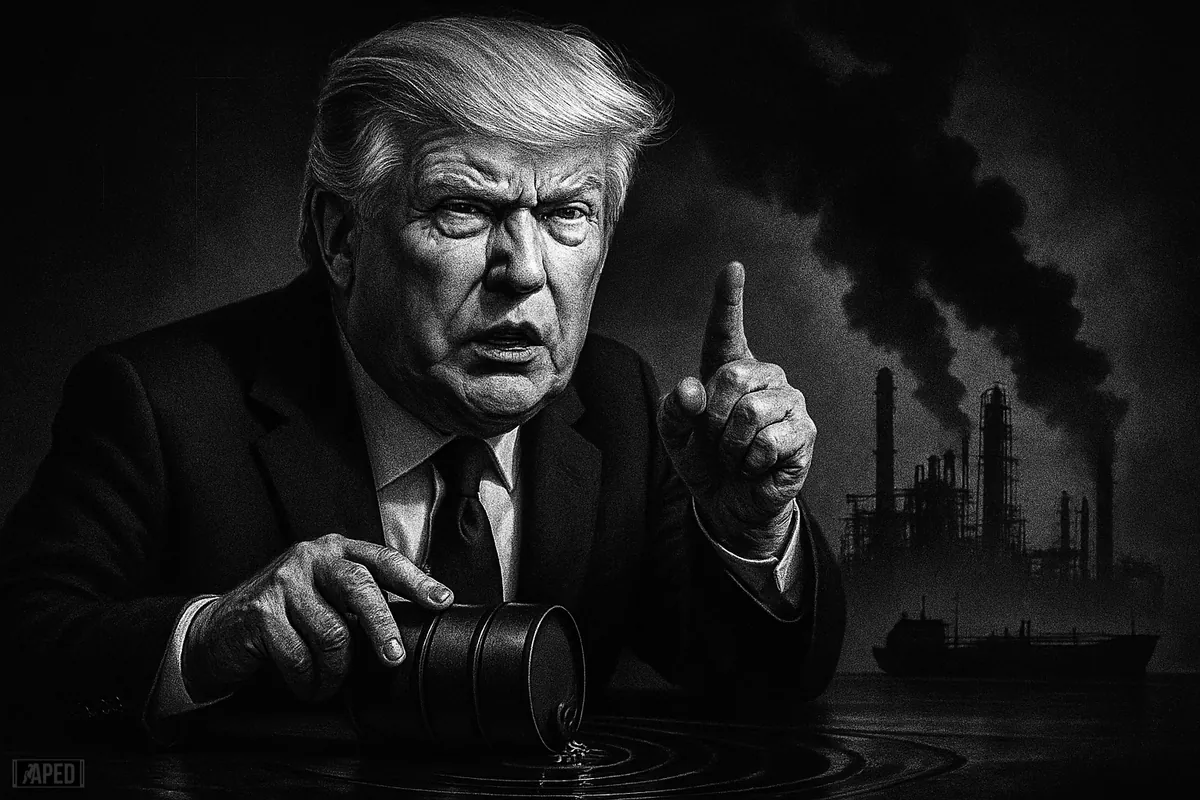
Oil came in hot to start the week, and risk markets immediately looked a bit peaky. Brent crude punched through $116 a barrel on Monday, up more than 3%, as traders repriced the odds of a deeper supply shock tied to the expanding US-Iran conflict. [1]
Front-month Brent rose above $116, while WTI traded around $102, extending a rally that has been driven less by tidy macro and more by the sort of geopolitical headline risk that can gap a market before breakfast. The core issue is simple enough: traders are now assigning a higher premium to any threat against Iranian export infrastructure and to the broader security of energy flows in the region. [2]
Enjoy articles without ads?
Register for free and get unlimited access to all articles.
What moved the market
The immediate catalyst was a fresh burst of weekend escalation. President Donald Trump told the Financial Times that he could move to seize Kharg Island, the terminal that handles the vast majority of Iran's crude exports. That is not a minor talking point. Kharg is central plumbing for Iranian oil, so even the suggestion of direct action there forces crude traders to price in disruption risk. [1]
That matters because the market is no longer treating this conflict as a contained regional flare-up. The war has entered its fifth week, and the lack of any credible de-escalation path is feeding a persistent risk premium into oil benchmarks. Monday's move looked like a classic geopolitics bid: fast, headline-led, and focused on worst-case supply scenarios rather than settled facts on the ground. [3]
Brent is the global benchmark most exposed to seaborne crude pricing and Middle East supply risk, so it tends to wear these war premiums first. A break above $116 signals traders are becoming more willing to pay up for near-term barrels, especially when the threat is tied to export routes and terminals rather than just general regional instability.
WTI's move to roughly $102 shows the rally is broad, but the spread between the two benchmarks also reflects geography. US crude is still influenced by domestic balances, infrastructure and storage dynamics. Brent, by contrast, is where global conflict risk gets marked to market in real time.
Spillover into stocks and crypto
The knock-on effect was visible across broader risk assets earlier today. Asian equities fell sharply, while crypto sold off in the initial reaction before finding its feet later in the session. That pattern fits the usual script: oil spikes, inflation fears revive, and traders start trimming exposure to anything that depends on calm rates and stable sentiment. [4]
For crypto, the move matters less as a direct oil story and more as a liquidity story. A sustained crude rally can complicate the inflation outlook, which in turn can tighten financial conditions and pressure high-beta assets. The early dip and rebound suggest the market has not fully committed to a broader risk-off unwind yet, but the correlation trade is clearly back on the table.
The next leg in crude depends on whether this remains mostly a fear premium or turns into a genuine supply outage. Traders can support Brent above $110 on rhetoric and military escalation for a while, but holding or extending gains from here probably requires one of two things: confirmed disruption to Iranian exports, or evidence that shipping and infrastructure risk is widening beyond Iran itself.
That is where the danger sits. Geopolitical rallies can reverse just as violently if the flow headlines cool off. Oil is liquid, but war premiums are notoriously fickle. If no barrels actually come offline, some of Monday's move could unwind quickly. If they do, the market will start looking beyond $116 in a hurry.
What to watch next
Kharg Island headlines: any sign of operational disruption or military action there would be market-moving immediately.
Iranian export data: the key question is whether cargo flows start dropping, not just whether rhetoric escalates.
Shipping risk in the region: insurance costs, route changes and tanker disruptions would deepen the supply premium.
Brent at $116: holding above that level keeps the bullish momentum intact, while a fade below it would suggest the market overreached on headlines.
Cross-asset stress: watch equities, crypto and bond yields for signs that higher oil is becoming a broader inflation and risk problem.
For now, the trade is straightforward enough, if hardly comforting: crude is being bid on war risk, and until the headlines improve, the market is unlikely to give that premium back easily.
Your reviews help us improve the quality of both current and future articles. All reviews are public and visible to other readers. We use both ratings and comments to improve future articles and to revise any articles that do not meet our standards.
 See more like this on Google