See more like this on Google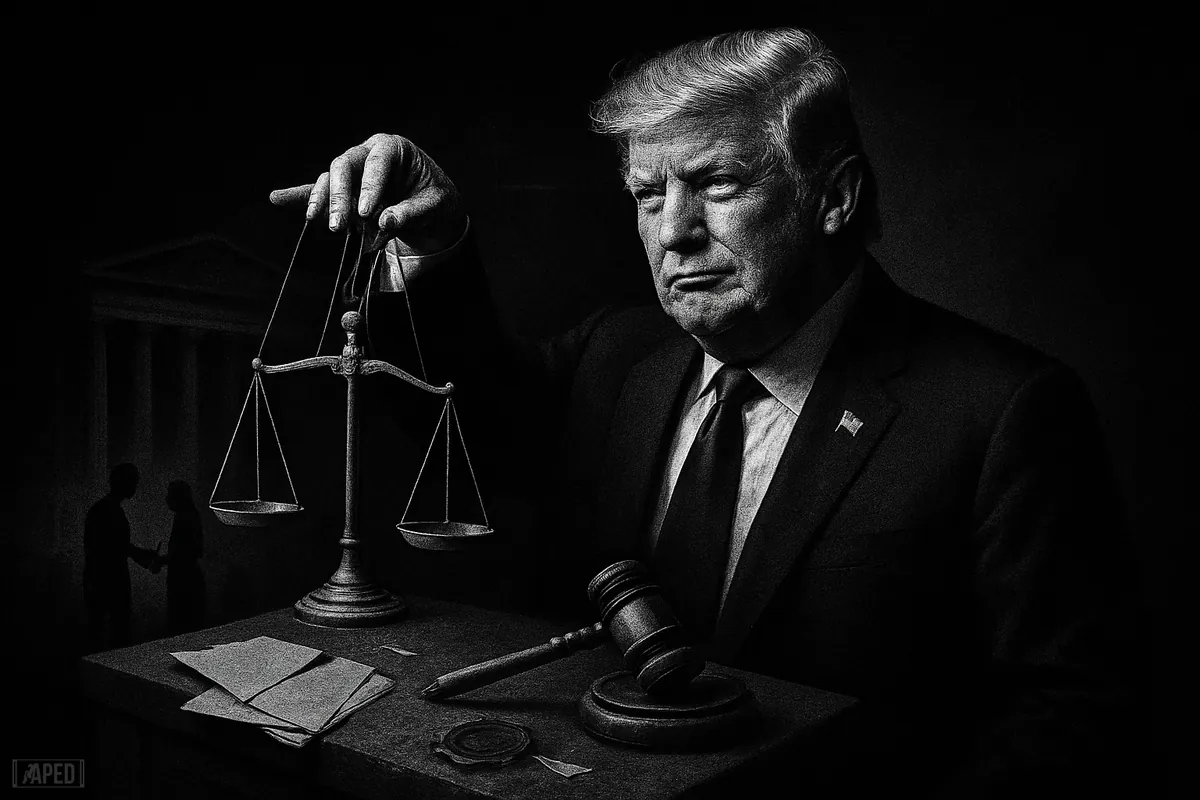
Share article
Share article


Enjoy articles without ads?
Register for free and get unlimited access to all articles.
The SEC's crypto retreat is the headline, the optics are the story
It is about process and credibility. The SEC has enormous latitude in deciding what cases to bring, what remedies to seek, and which legal theories to test. A deliberate shift away from aggressive crypto enforcement can be defended on policy grounds, but it becomes politically combustible if it coincides with family-linked business interests that could benefit from looser supervision.
Family-linked crypto interests raise the stakes for ethics and recusals
That creates a tight compliance question for the administration: how are potential conflicts identified, documented, and walled off? At a minimum, the optics test tends to revolve around:
- Recusal discipline: whether senior officials steer clear of decisions touching entities with direct or indirect family ties.
- Disclosure clarity: whether the public can actually see what interests exist and how conflicts are managed.
- Enforcement neutrality: whether politically exposed projects face the same investigative friction as everyone else.
Lawmaker pressure has reportedly started to sharpen around these points, with critics arguing that even a well-intentioned deregulatory push can look dodgy if the guardrails are not plainly visible. [7]
This is not just politics, it changes how crypto prices risk
A lighter-touch SEC is often treated like a blanket tailwind, but traders should separate "fewer headlines" from "cleaner risk".
If enforcement is perceived as politicised, two things happen that matter for markets:
-
Selective enforcement becomes a volatility engine. If some firms believe they are protected (or their competitors believe they are), capital allocation distorts. The next catalyst then becomes a committee hearing, a watchdog report, or an election-cycle pivot, rather than fundamentals.
This is why the "SEC is easing up" trade can be more mercenary than it looks. CT (Crypto Twitter) will call it "bullish", but the deeper read is that credibility gaps tend to come back as sudden repricings.
What would actually settle the conflict debate
The policy argument will not be resolved by vibes, it will be resolved by documents, recusals, and enforcement consistency.
Three concrete signals would cool the temperature quickly:
- Transparent ethics controls: clear public-facing disclosures on how conflicts are handled, including recusals where relevant.
- Even-handed case selection: a demonstrable pattern that politically connected entities are neither favoured nor singled out.
- Legible crypto policy outputs: guidance or rulemaking that applies broadly, rather than one-off decisions that look bespoke.
Absent that, the US ends up with the worst mix: deregulation headlines alongside suspicion that the playing field is tilted.
Risks and invalidation: what could break the "bullish deregulation" read
This narrative flips fast if any of the following lands:
- evidence of preferential treatment tied to family-linked interests,
- a judicial or congressional intervention that forces the SEC back into a tougher posture,
- a high-profile collapse or fraud case that makes "lighter enforcement" politically untenable.
If the SEC's retreat turns into a credibility crisis, the market does not get regulatory clarity, it gets regulatory whiplash. That is a proper mess for anyone aping into risk on the assumption that oversight has simply gone away.