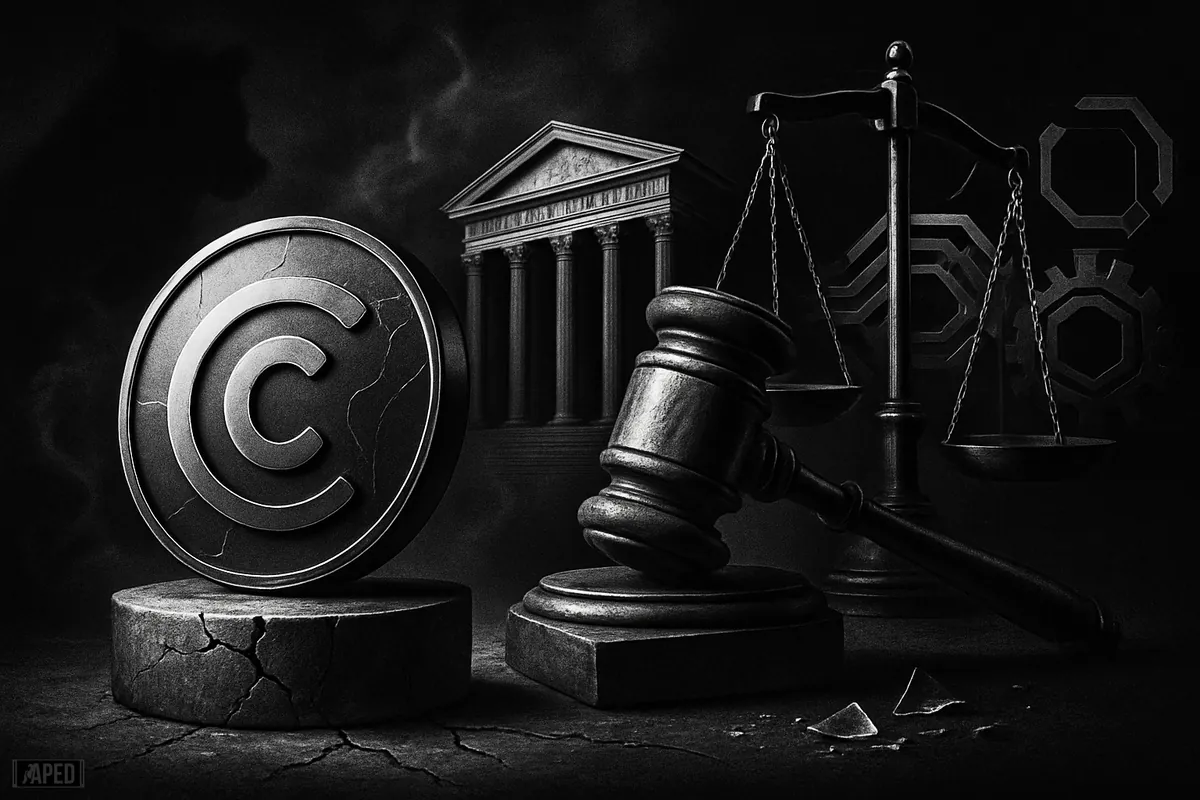
Stablecoins are the stress point, but the bigger tape is still institutional adoption. That is the trade right now. Regulatory noise around dollar tokens is hitting sentiment, especially for crypto-linked equities, while traditional finance keeps moving toward blockchain rails anyway. The key level to watch is confidence, not just price: if stablecoin policy uncertainty starts choking issuance or distribution, the next leg of institutional crypto growth could slow. If it stays contained, the market will likely treat this as headline volatility and keep bidding infrastructure. [1]
Circle sits at the center of that tension. The company's sharp stock sell-off this week showed how quickly investors will punish anything tied to stablecoin regulation, even when the underlying business case has not materially broken. That matters beyond one ticker. Stablecoins are now core market plumbing for trading, settlement and increasingly payments, so weakness in sentiment around issuers can spill into the wider crypto complex fast. [2]
Enjoy articles without ads?
Register for free and get unlimited access to all articles.
Regulation is still the main overhang
The market's reaction says investors are pricing policy risk first and fundamentals second. That is a familiar pattern in crypto, but it carries more weight now because stablecoins are no longer a side narrative. They are the liquidity layer for large parts of the digital asset economy. When traders get nervous about the legal perimeter around issuance, reserves, redemptions or distribution, the concern is not abstract. It hits assumptions about growth, margins and access.
That does not automatically translate into a systemic break. So far, this looks more like a repricing of regulatory exposure than a broad loss of faith in stablecoin demand. The distinction matters. If redemptions stay orderly and onchain transfer activity remains stable, this is likely a valuation reset. If regulators force structural changes to issuance or bank relationships, that becomes a much bigger market event. [3]
The other side of the story is harder to trade in real time, but arguably more important. Financial institutions are still building toward stablecoin integration, particularly in jurisdictions trying to create clearer rules for tokenized money. Canada has emerged as one of the clearer examples, with market structure moving in a direction that suggests banks and other large players still see stablecoins as useful financial infrastructure, not a speculative sideshow. [4]
That kind of adoption matters because it shifts crypto's institutional story away from directional bets on Bitcoin and Ethereum alone. Stablecoins are the bridge product. They plug into payments, collateral management, treasury operations and cross-border settlement. If that rail gets normalized, the addressable market for crypto infrastructure expands sharply, even if spottoken prices are choppy. [5]
Another theme tightening around the sector is compliance. Prediction markets are facing closer scrutiny and firmer rules, which is part of a broader maturation cycle for crypto-adjacent products. The easy-growth phase, where platforms could lean on novelty and regulatory ambiguity, is fading. Markets are being forced to define what they are, who can access them and how they fit into existing legal frameworks.
For traders, that is a reminder that not every high-growth crypto vertical gets to scale cleanly. The same market that rewards adoption can also brutally reprice business models when regulators narrow the path forward. This is especially relevant where stablecoins intersect with consumer-facing platforms, since compliance burdens tend to rise fast once regulators see mainstream traction.
AI agents could become a hidden tailwind
One underappreciated angle is how AI and crypto rails may converge, especially in micropayments. If autonomous agents begin handling small-value digital transactions at scale, stablecoins become an obvious settlement medium. That would give dollar-backed tokens a fresh demand driver that is less about speculation and more about machine-native commerce.
It is still early, and the market should be careful not to front-run a narrative that has not translated into measurable volume yet. But the logic is clean. Traditional payment rails are poorly suited to frequent, low-cost, programmable transfers. Stablecoins are not. If AI agents become economically active users of the internet, crypto rails could benefit in a way that is much more fundamental than another meme cycle.
The constructive case is simple: regulation creates noise, institutions keep building, and stablecoins come out stronger after the rules are clearer. The bearish case is just as straightforward: policy uncertainty drags on long enough to hit issuance growth, bank partnerships tighten, and public market investors stop treating stablecoin infrastructure as a high-multiple growth story.
That is the pivot. If stablecoin demand data weakens alongside worsening policy headlines, this stops being a sentiment wobble and becomes a structural concern. If adoption metrics hold up while institutions continue integrating crypto rails, the sell-off likely looks temporary.
Watchlist
Watch stablecoin issuance trends, redemption behavior and any signs of stress in banking or reserve arrangements. Watch whether institutional pilots, especially in Canada and other clearer jurisdictions, move from testing to production. Watch compliance moves around prediction markets for clues on how aggressively regulators plan to police adjacent crypto sectors. And watch the AI payments narrative carefully. If stablecoins stay stable and institutions keep shipping, this story still points higher for crypto infrastructure, even if the headlines feel shaky today. [6]
Listen to “Stablecoin Regulation Fears Shake Crypto as Institutions Push Deeper Into Payments” on YouTube as we share all our news to our channel 24/7.
Be part of the conversation!
Discuss the "Stablecoin Jitters, Institutional Crypto Momentum" article and follow us to get 24/7 updates.
Your reviews help us improve the quality of both current and future articles. All reviews are public and visible to other readers. We use both ratings and comments to improve future articles and to revise any articles that do not meet our standards.
 See more like this on Google