 See more like this on Google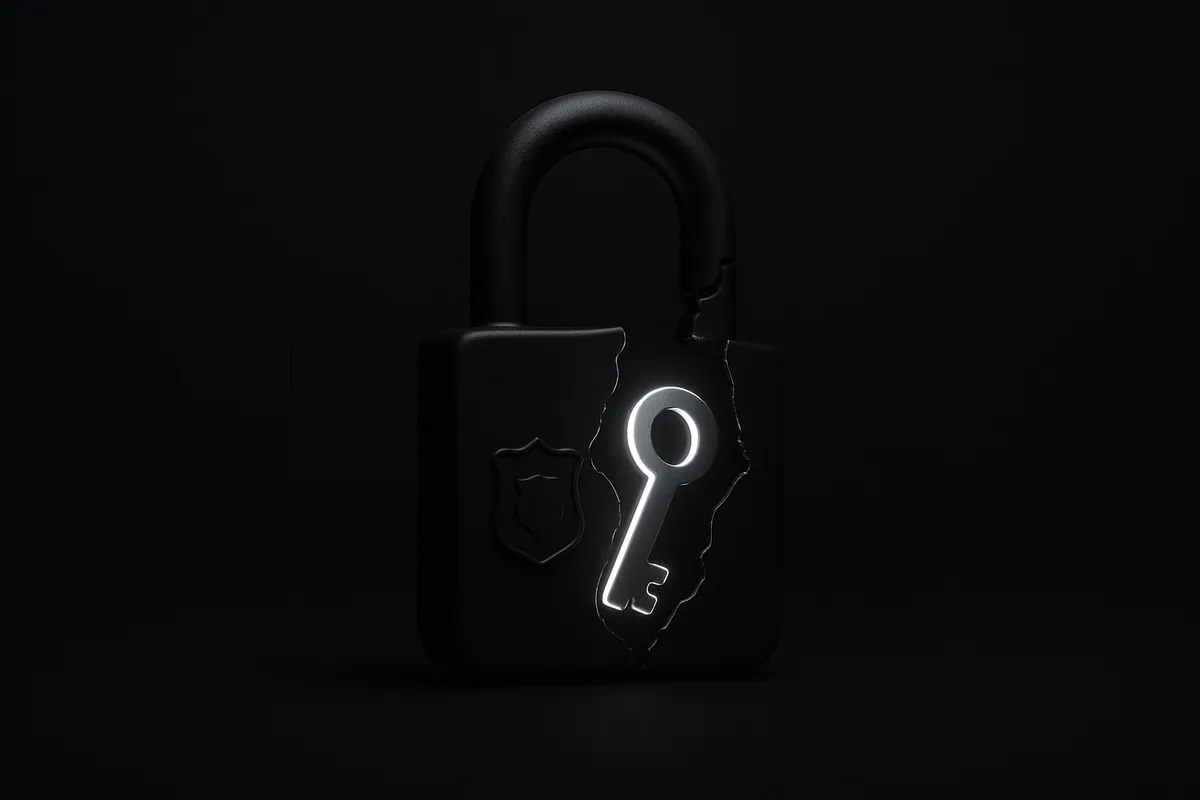
Share article
Share article
South Korea's cops are learning the hard way that "not your keys, not your coins" also applies to evidence lockers.
The draft directive reportedly covers everything from the moment assets are identified to how they are transferred, stored, and eventually disposed of, and it explicitly includes privacy focused coins that are harder to trace. [3]
Enjoy articles without ads?
Register for free and get unlimited access to all articles.
Why the KNPA is rewriting the playbook
What the draft rules reportedly target: end to ad hoc wallets
1) Chain of custody, but for private keys
A proper chain of custody for crypto means documenting:
- Who generated or controlled the wallet
- When access credentials were created, moved, or rotated
- Which transactions were signed, by whom, and under what authorization
- How addresses and transaction hashes map to specific cases
Without this, defense attorneys have a clean line of attack: "Prove the police did not move these funds."
2) Segregation of duties and approvals
3) Storage standards: cold by default, hot only if necessary
4) Handling privacy coins
Asiae's report notes the guidelines include privacy focused assets. That is a telling detail. Privacy coins can be seized like any other asset if the keys are obtained, but attribution and tracing are harder, and investigative steps differ. Standardizing how they are documented and stored reduces operational mistakes, even if it does not magically make them easy to track.
The outsourcing angle: private custody provider targeted for H1 2026
One of the most market relevant points in the report is that the KNPA aims to select a private custody provider in the first half of 2026. [5]
That signals a shift away from trying to make every police unit a mini custodian. It also mirrors what other jurisdictions have done: law enforcement focuses on seizure authority, evidence handling, and legal process, while specialized firms handle key management, secure storage, and transaction policy controls.
For everyone else, it is also an implicit admission: self custody at institutional scale is hard, and getting it wrong gets people fired.
Why this matters for Korea's broader crypto enforcement
Tightening custody rules has three knock on effects:
- Stronger prosecutions: Cleaner evidence trails reduce the odds that crypto related charges get messy in court.
- Better restitution outcomes: If seized assets are preserved properly, victims and the state are less likely to get rekt by preventable losses.
- More predictable enforcement: Exchanges and suspects alike can anticipate standardized seizure procedures, rather than inconsistent practices across jurisdictions.
Where the draft could face friction
Even if the directive is solid, implementation is where most government crypto projects go to die.
- Training and tooling: Standard operating procedures mean nothing if frontline teams do not have tools that make compliance easier than shortcuts.
- Procurement timelines: Selecting a custodian in H1 2026 is ambitious, especially if requirements include security certifications, insurance, key management architecture, and integration support.
- Access control politics: Investigators want speed, auditors want controls, prosecutors want admissibility. Balancing those is harder than it sounds.
What to watch next
If the KNPA publishes detailed requirements for the custodian selection, watch which domestic and global custody firms can meet the bar, especially on auditability, multi party approvals, and incident response.
If the directive mandates multi signature or equivalent policy based controls, expect fewer "internal transfer" scandals and more consistent reporting of seized amounts.