Bitcoin$80,326.14 spent the day fighting macro nerves, then ripped through them. Early caution around resistance, oil shock, and tighter global liquidity gave way to a squeeze above $69,000 that torched nearly $200 million in shorts, even as DeFi security and regional regulation stayed a proper drag on sentiment underneath.
Enjoy articles without ads?
Register for free and get unlimited access to all articles.
Market action
Bitcoin flipped the script after an ugly macro start
The day opened with a fairly muted setup. Earlier technical reads had Bitcoin$80,326.14 pinned beneath triple resistance, while XRP$1.518 and Cardano$0.1782 were both stalling on weak participation. That mattered because the broader tape was already showing thin conviction, not the sort of broad-based risk appetite you want if majors are meant to drag alts higher.
Then the macro cloud thickened. Brent crude pushed above $110 after Donald Trump threatened strikes on Iran unless the Strait of Hormuz reopened by Tuesday. Soon after, prediction markets reacted fast: Polymarket odds of US forces entering Iran jumped to 63%, a sharp repricing of geopolitical risk that helped explain the market's defensive posture in the first half of the day. [1]
Japan added another headache. Rising Japanese bond yields were flagged as a liquidity threat to Bitcoin's rally, with higher domestic returns potentially pulling capital home and tightening conditions globally. That is not just a TradFi footnote. Crypto has spent this cycle trading like a liquidity sponge, so any serious drain in global risk capital tends to show up quickly in BTC and high-beta alts. [1]
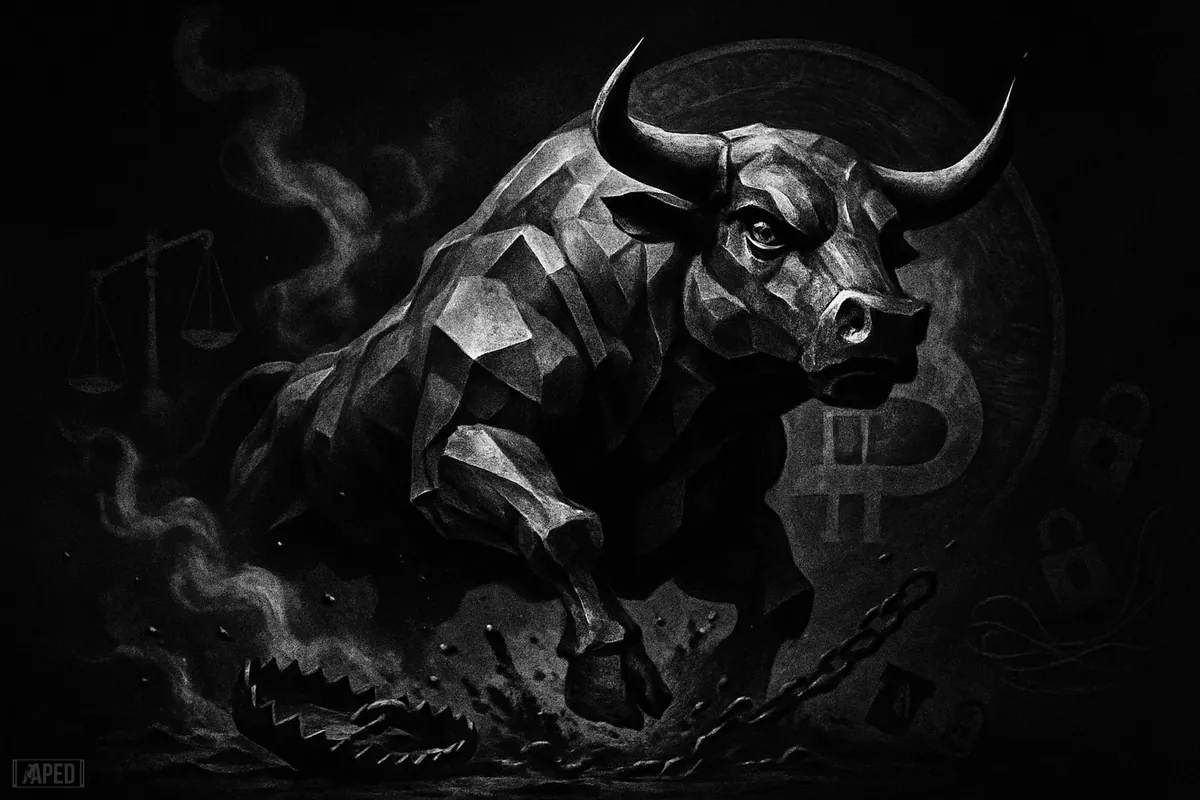
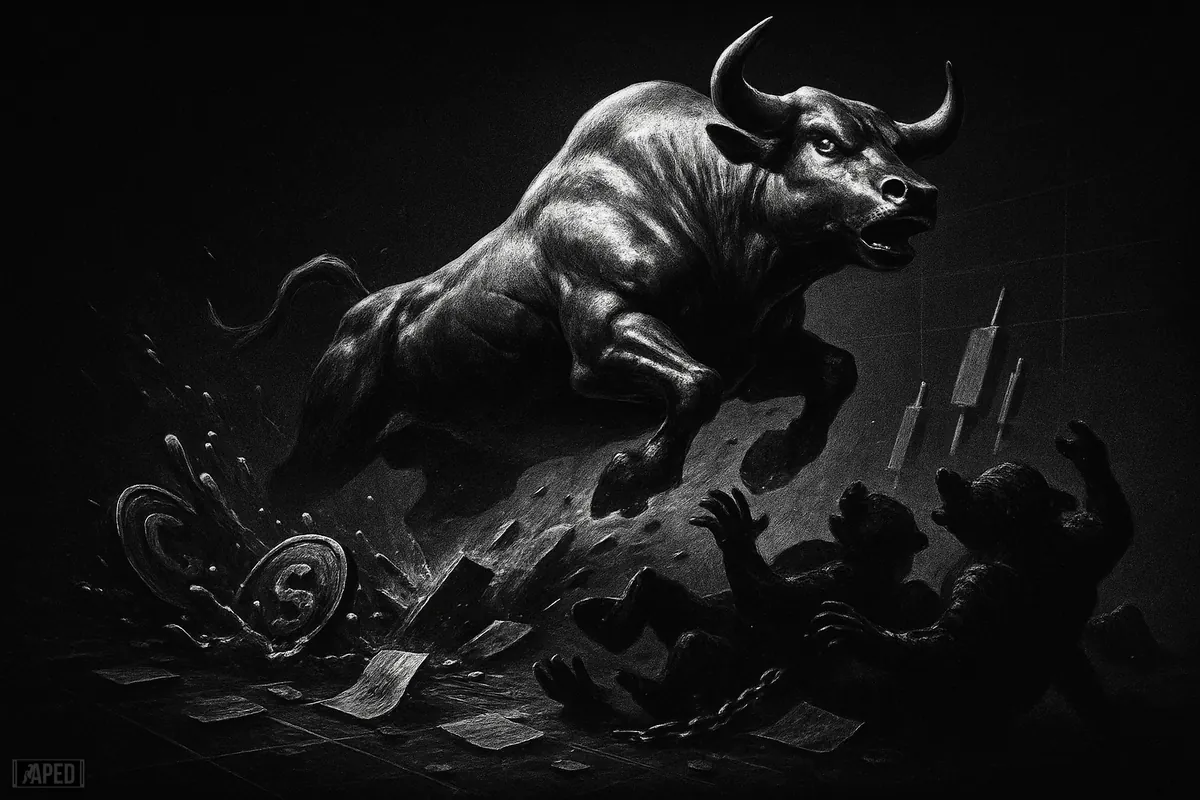
By 06:01 AM UTC, the tone had changed materially. Bitcoin$80,326.14 surged above $69,000, triggering a broad liquidation event that wiped out $196 million in crypto shorts across 80,963 traders. That move did two things at once: it invalidated the most immediate bearish technical setup, and it showed just how crowded the short side had become after the earlier macro panic. [2]
The squeeze also gave the market a cleaner read on positioning. This did not look like a calm spot-led grind higher. It looked like derivatives fuel doing the heavy lifting, which is bullish in the very short term but a bit dodgy if follow-through volume does not stick. Traders got momentum, but not necessarily a durable all-clear.
Altcoins still looked selective, not euphoric
Even with Bitcoin reclaiming momentum, the alt setup stayed mixed. XRP had earlier been flagged as weak alongside ADA, but a later structure note pointed to a premium fair value gap suggesting short-term upside. That is a tactical setup, not a full sentiment reversal. The distinction matters because one chart can improve while the broader alt market still lacks depth.
The prior day's backdrop also carried through. April 5's roundup had already noted Bitcoin holding near $67,000, improving Ethereum$2,327.25spot demand, growing alt rotation, and rising bearish sentiment plus security risks. April 6 looked like an extension of that split screen: bids were there, especially in BTC, but conviction remained patchy and headlines could still knock things sideways.
Hyperliquid kept embarrassing older chains on revenue
One of the clearest structural stories of the day came from Hyperliquid, which continued to out-earn many legacy chains thanks to perpetuals activity and stronger fee capture. That is a big tell about where crypto users actually are. The market keeps rewarding products that generate repeat usage and real cash flow, not just chains with big token valuations and sleepy throughput stats.
Revenue leadership does not automatically make a token cheap, obviously. But it does reinforce a shift in how traders are valuing crypto infrastructure. High-activity venues with direct monetisation are increasingly taking attention away from older layer 1 narratives that rely more on future promise than present usage.
DeFi's most serious warning came from the fallout around Drift's $285 million exploit. The key point was not another smart contract bug. The breach highlighted control-layer failure, meaning signer, admin, and governance attack surfaces are now front and centre. That is a more uncomfortable problem because many protocols have spent years marketing themselves as audited while keeping privileged control pathways that can still become a bit of a mess under pressure. [3]
For users and allocators, this changes the checklist. TVL and brand are not enough. The more relevant questions now are who can upgrade what, how many keys matter, what emergency powers exist, and whether governance is actually decentralised or just theatre for CT. If Drift's lesson sticks, DeFi due diligence gets harsher from here.
Regulation and policy
Rwanda cracked down on Bybit's franc marketplace
Rwanda's central bank warned that crypto trading using the Rwandan franc is not allowed, after Bybit added RWF support to its peer-to-peer marketplace on Friday. The timing was quick and the message was plain: local fiat rails remain the choke point, and exchanges that move faster than regulators can easily run into hard stops. [4]
This was not a global market-moving event, but it matters for adoption on the ground. P2P ramps often fill the gap where formal banking access is limited. When regulators lean on those rails, activity does not always disappear, but it usually gets pushed into less visible channels with more friction and more risk.
China showed its limits again with Bitchat
Apple removed Jack Dorsey's Bitchat from China's App Store after regulators cited rule violations. The story was less about one app than about the continuing mismatch between open communication tools and Beijing's distribution controls. Crypto-adjacent platforms can still reach users in China, but they do so on terms the state can change quickly. [5]
That also sits awkwardly beside a separate macro theme from early in the day. Kenneth Rogoff argued the yuan, not crypto, could be the more serious challenger to the dollar within five years as sanctions risk and reserve diversification reshape finance. Even if that case grows stronger at the state level, China's domestic controls remain a reminder that alternative monetary power does not necessarily mean open financial rails for users. [6]
Taken together, the macro stories painted a market trying to rally through three separate headwinds. First came the oil spike and Hormuz risk, which threatened inflation and broader risk sentiment. Next came rising Japanese yields, which pointed to tighter global liquidity. Then came the reserve currency debate, with the yuan framed as a more plausible medium-term dollar challenger than crypto itself.
None of those narratives killed the BTC move today. But they did make the rebound feel more tactical than settled. A short squeeze can run hard in spite of macro. Staying there is harder if energy shocks persist, yields keep rising, or geopolitical risk turns from headline premium into actual disruption.
Key takeaway
April 6 was a classic crypto split-screen. Bitcoin squeezed higher and punished late bears, Hyperliquid showed that real usage still commands a premium, and selective alt setups improved around the edges. At the same time, Drift reminded everyone that protocol risk is not solved, Rwanda and China showed how fast access can be curtailed, and macro stayed noisy enough to wreck complacency.
The cleanest read is this: momentum is real, but it is still carrying baggage. If Bitcoin can hold above the breakout zone and spot demand follows the derivatives squeeze, bulls stay in control. If the move fades back below resistance while macro stress worsens, today's rip starts to look like mercenary positioning rather than a fresh leg up.
Your reviews help us improve the quality of both current and future articles. All reviews are public and visible to other readers. We use both ratings and comments to improve future articles and to revise any articles that do not meet our standards.
 See more like this on Google