 See more like this on Google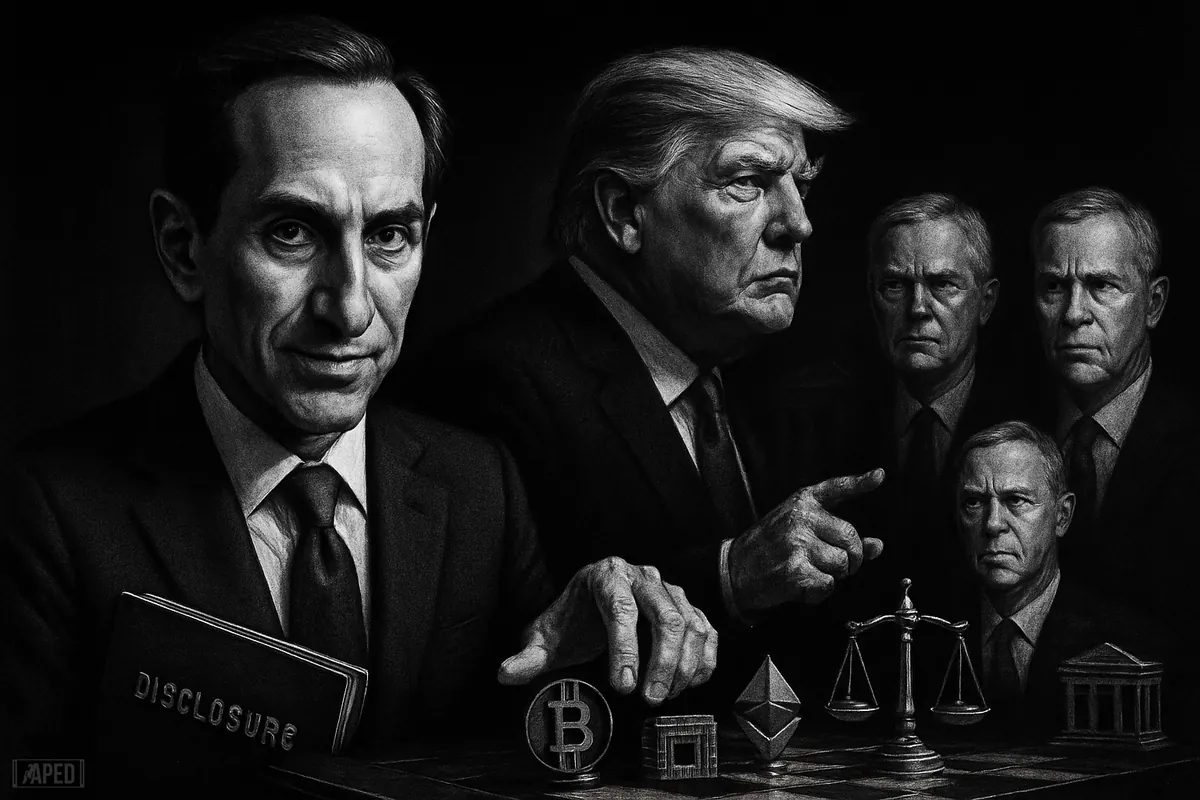
Share article
Share article
Enjoy articles without ads?
Register for free and get unlimited access to all articles.
A disclosure big enough to matter
Crypto and AI show up in the mix
Reuters and other reporting around the filing indicate additional unnamed holdings appear concentrated in crypto and AI. That tracks with the broader shape of the disclosure: venture-style exposure, private vehicles, and sectors where policy, liquidity, and sentiment can rerate valuations very quickly. [5]
The ethics fix is divestment, at least on paper
That is the formal answer, and in Washington formal answers do a lot of work. The practical question is more interesting: how quickly can large, illiquid, confidential, and potentially venture-linked holdings actually be unwound without complication? Publicly traded assets are one thing. Private fund interests and side-pocket style exposures are another.
Why markets care beyond the ethics form
Crypto will be listening for subtler tells. A Fed chair is not a crypto regulator in the strict sense, but Fed policy drives dollar liquidity, risk appetite, and the balance-sheet conditions that often separate a grind from a proper melt-up. If a nominee with direct experience in crypto and AI also signals a lighter-touch stance on innovation, markets will notice.
Still, nobody should confuse ownership history with policy generosity. Fed chairs are constrained by mandates, institutions, and inflation data, not by old cap tables. If anything, Warsh may need to sound tougher to avoid the impression that prior exposures could soften his judgment.
The confirmation path is not clean
The Senate Banking Committee had reportedly eyed an earlier timeline, but the process slowed while disclosures were completed. A hearing could still come soon, though as of now it has not been formally scheduled. [7]
What this says about the new policy class
That does not make those bets wise by default. Blast is still tied to an ecosystem where liquidity can vanish and narratives can crack overnight. Private equity marks can look tidy until someone has to sell. AI valuations have been bid to levels that assume the future arrives on schedule, which is a brave assumption in any cycle.
Risks to keep front and centre
There is also headline risk in the incomplete visibility around the filing. Confidential holdings invite speculation, and speculation in a politicised nomination process usually turns into attack lines. If more detail emerges around any thinly traded, high-volatility, or controversial exposure, the story could shift from "wealthy nominee" to "why was this on the books at all?"
What to watch next
Watch the Senate Banking Committee calendar first. No hearing, no catalyst.
Then watch whether Warsh gives a clearer accounting of his crypto and AI exposure beyond the broad disclosure. Specifics will matter more than the $100 million headline.
After that, listen for his language on liquidity, financial stability, and innovation. Those are the pressure points that matter for both macro desks and crypto traders.
And finally, keep an eye on the divestment mechanics. Selling liquid blue chips is easy. Unwinding private, confidential, venture-style positions is a different sport entirely. In markets, as ever, the small print is where the real story lives.
People Referenced
Kevin Warsh
Former Federal Reserve governor nominated by Trump to chair the Fed, known for his market-oriented critiques of central bank policy.
Donald Trump
American real estate mogul, media personality, and former president who reshaped branding and politics.
Stanley Druckenmiller
Stanley Druckenmiller is a billionaire investor and former hedge fund manager, now leading the Duquesne Family Office as CIO.
Heather Jones
Heather Jones is an analyst at the U.S. Office of Government Ethics (OGE), reviewing and advising on federal officials’ disclosures.
Jerome Powell
Jerome H. “Jay” Powell is the 16th Chair of the U.S. Federal Reserve, serving since 2018 and guiding U.S. monetary policy.
Thom Tillis
American businessman and Republican U.S. Senator from North Carolina, serving since 2015.