 See more like this on Google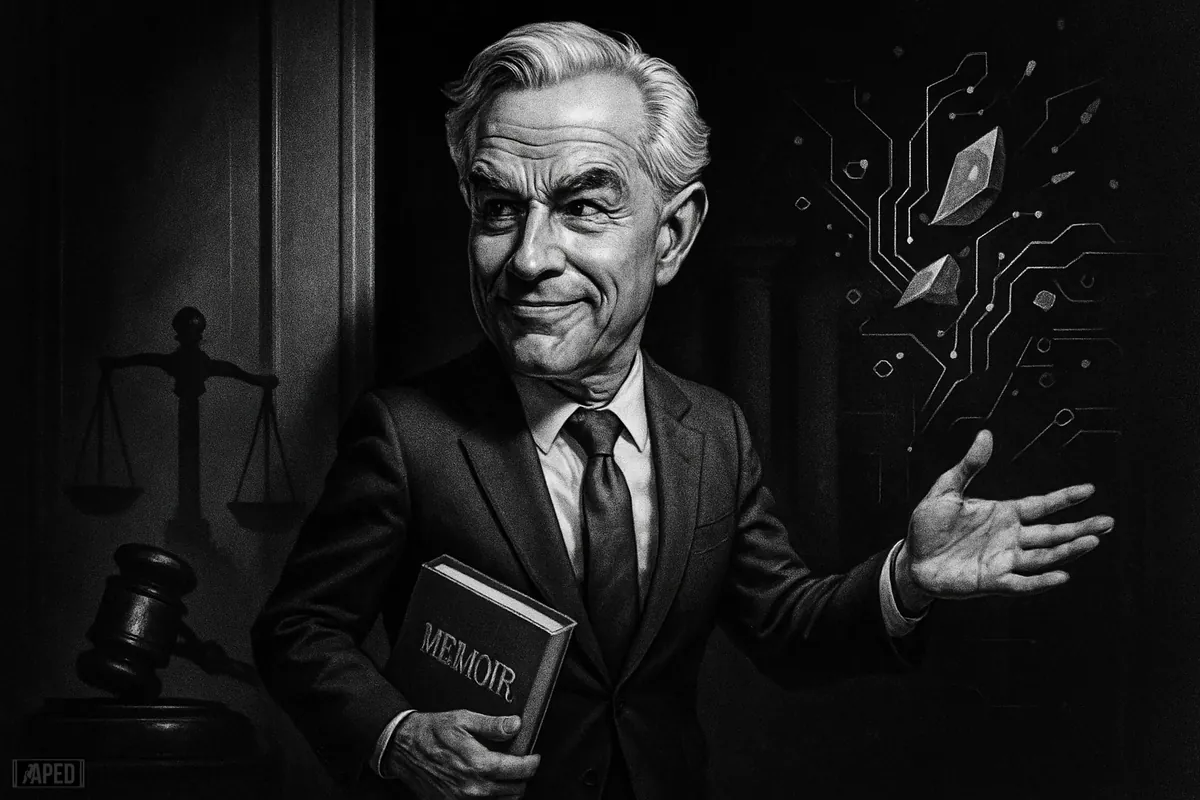
Share article
Share article
Chris Giancarlo is stepping away from Big Law and back toward the sectors that made him "CryptoDad" in the first place. The former CFTC chair has left Willkie Farr & Gallagher to focus more directly on Crypto, artificial intelligence, and a follow-up to his memoir, a move that says as much about where policy influence is heading as it does about one man's career. [1]
Enjoy articles without ads?
Register for free and get unlimited access to all articles.
A high-profile exit from Willkie
Giancarlo had been a senior counsel at Willkie, where he worked on digital assets, financial technology, and related regulatory issues after leaving public office. His departure marks a shift away from the traditional law-firm platform and toward a more independent role built around advisory work, thought leadership, and sector advocacy. [2]
That matters because Giancarlo is not just another former regulator hanging out a consultancy shingle. As ex-chair of the Commodity Futures Trading Commission, he became one of the most recognisable US officials to engage seriously with Crypto markets during their earlier institutionalisation phase. The "CryptoDad" label stuck because he argued, often more clearly than his peers, that digital assets were a technological development worth understanding rather than dismissing.
Why crypto and AI, and why now
His stated focus on both crypto and AI is a fairly clean read on where the next policy fights are likely to cluster. Digital assets remain in a long transition from enforcement-led oversight to a more structured regulatory regime, while AI is moving through the same awkward phase of enthusiasm, fear, and incomplete rulemaking.
Giancarlo's bet appears to be that these two domains will increasingly overlap in law, markets, and infrastructure. Financial services is one obvious point of contact. Automated compliance, tokenised systems, machine-driven trading, data provenance, and digital identity all sit in the overlap between blockchain rails and AI tooling. Put simply, this is where the advisory demand is. [3]
There is also a timing element. Regulatory posture in Washington has been shifting, and former officials with both agency credibility and market fluency are likely to remain in demand. Giancarlo has spent years positioning himself as a bridge figure between government, Wall Street, and crypto builders. Leaving Willkie gives him more room to operate under his own brand.
The "CryptoDad" sequel is part of the strategy
The book sequel is not a side quest. It looks more like an extension of the same public-facing project Giancarlo has been running since his CFTC tenure: shape the narrative, influence policymakers, and remain part of the conversation as the rules are written.
Memoirs from former officials are often reputation management with nicer binding. This one could be more relevant than that. A second volume focused on Crypto and AI would land into a market that is far less naive than it was in the first cycle, but still badly in need of interpreters who can speak both regulator and founder. [4]
What this signals for the industry
Giancarlo's move underlines a broader reality: crypto policy is maturing into a specialist power centre of its own, not just a niche inside securities law or market structure. Former regulators are no longer merely commenting from the sidelines. They are building firms, advising projects, writing frameworks, and competing to shape the next version of financial regulation.
That does not make every such move bullish by default. There is still reputational risk in crypto advisory work, especially when enforcement priorities can change faster than the marketing copy. AI carries its own hazards, with legal standards still fluid and commercial hype running hot. Anyone operating in both fields is effectively volunteering to work in two of the most politically sensitive areas of tech at once. [5]
What to watch next
- Whether Giancarlo launches a dedicated advisory platform or joins existing crypto and AI ventures in a formal leadership role
- How explicitly he engages in US policy debates around market structure, stablecoins, and token classification
- Whether the "CryptoDad" sequel becomes a policy manifesto as much as a memoir
- Which clients and institutions follow him outside the law-firm model, that is the real tell on his market pull