 See more like this on Google
Share article
Share article
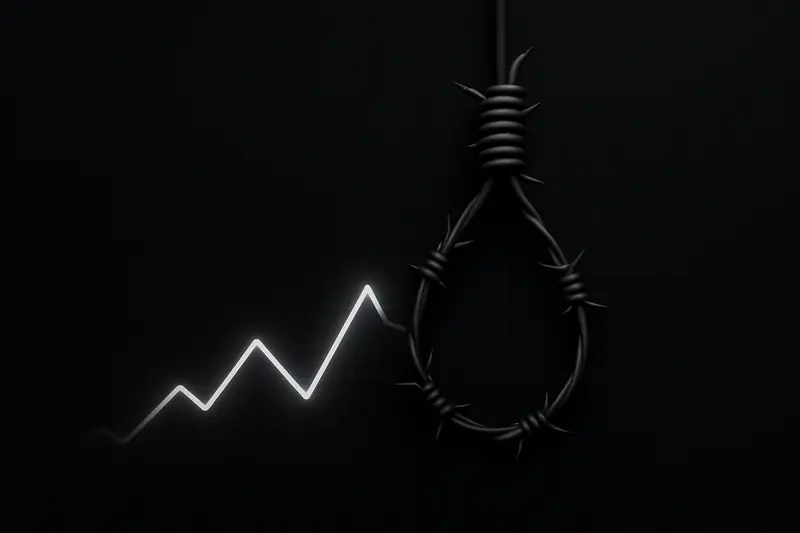
Washington is trying to pull a hard plug on "war odds" markets, and the line to watch is simple: can this thing clear a 60 vote Senate reality check, or does it stall as another headline risk for crypto-adjacent prediction apps?
Enjoy articles without ads?
Register for free and get unlimited access to all articles.
What lawmakers are trying to ban, and why "prediction" is not the shield it used to be
The catalyst: "highly unusual" conflict wagers and the insider information problem
Casar and Murphy pointed to unusual bets tied to the US-Israel conflict dynamics with Iran, suggesting the kind of trading pattern that raises two uncomfortable questions at once:
- Did someone have advance knowledge of state action, or privileged signals from government channels?
- If yes, what agency is responsible for stopping that, and what rulebook applies?
Prediction markets sit in a messy overlap between gambling regulation, commodities derivatives oversight, and platform terms of service. The lawmakers' posture here is to treat sensitive event contracts less like novelty bets and more like a corruption vector, especially when federal employees, contractors, or politically connected actors could theoretically participate.
This is also a reputational fight. Even if a platform can prove it blocks certain users, it still has to answer the broader question: should these markets exist at all?
Who gets hit first: regulated venues, crypto rails, and "information market" startups
If the bill advances, the immediate pressure concentrates in three places:
1) US-facing prediction platforms
Any platform operating with US exposure, or trying to, could be forced to delist sensitive contracts, tighten geoblocking, or rework their entire product taxonomy. The definition game matters. "War" is an obvious target, but lawmakers are telegraphing interest in a broader category of national security and federal function contracts.
2) Onchain primitives that mirror the same bets
3) Market makers and liquidity providers
Liquidity is the kill switch. If market makers decide the legal and reputational risk is not worth it, spreads widen, depth thins, and volumes slide. That is how regulation bites in practice, not just through courtroom wins.
The political reality check: passage risk versus enforcement risk
Two paths matter, and traders should separate them:
- Passage risk: The bill must survive committee, horse-trading, and Senate math. Sixty votes is the real "resistance level" if it gets filibustered. If it cannot build bipartisan cover, it may never become law.
- Enforcement risk: Even without a new statute, the attention itself can invite investigations, guidance, or aggressive interpretations of existing authority. Platforms can get rekt by process costs long before a judge rules.
The nearer-term catalyst is not the final vote. It is whether agencies or lawmakers start naming platforms, markets, or specific contracts in letters, hearings, or referrals.
What would invalidate the crackdown narrative?
The crackdown thesis weakens if two things happen:
- Platforms credibly prove strong controls (tight KYC where applicable, explicit contract bans, rapid delist policies) and policymakers accept that as sufficient.
- The bill's language gets narrowed into something symbolic that only targets an extreme corner case, leaving most event contracts untouched.
The opposite is also true. If another set of "too well-timed" bets hits the tape, especially tied to national security events, expect this issue to go from "ethics debate" to "must-pass optics" fast. [4]
Watchlist takeaway
- Legislative momentum: Committee scheduling and any bipartisan co-sponsors. That is your tell on whether this is real law risk or just narrative pressure.
- Platform response: Delistings of conflict-related markets, tighter contract review, and changes to US access.
- Regulatory spillover: Any signs of agency inquiries or public letters that turn "concern" into compliance costs.
- Second-order impact: Liquidity drying up is the canary. If market makers step back, these contracts become illiquid and effectively dead even without a ban.
