See more like this on Google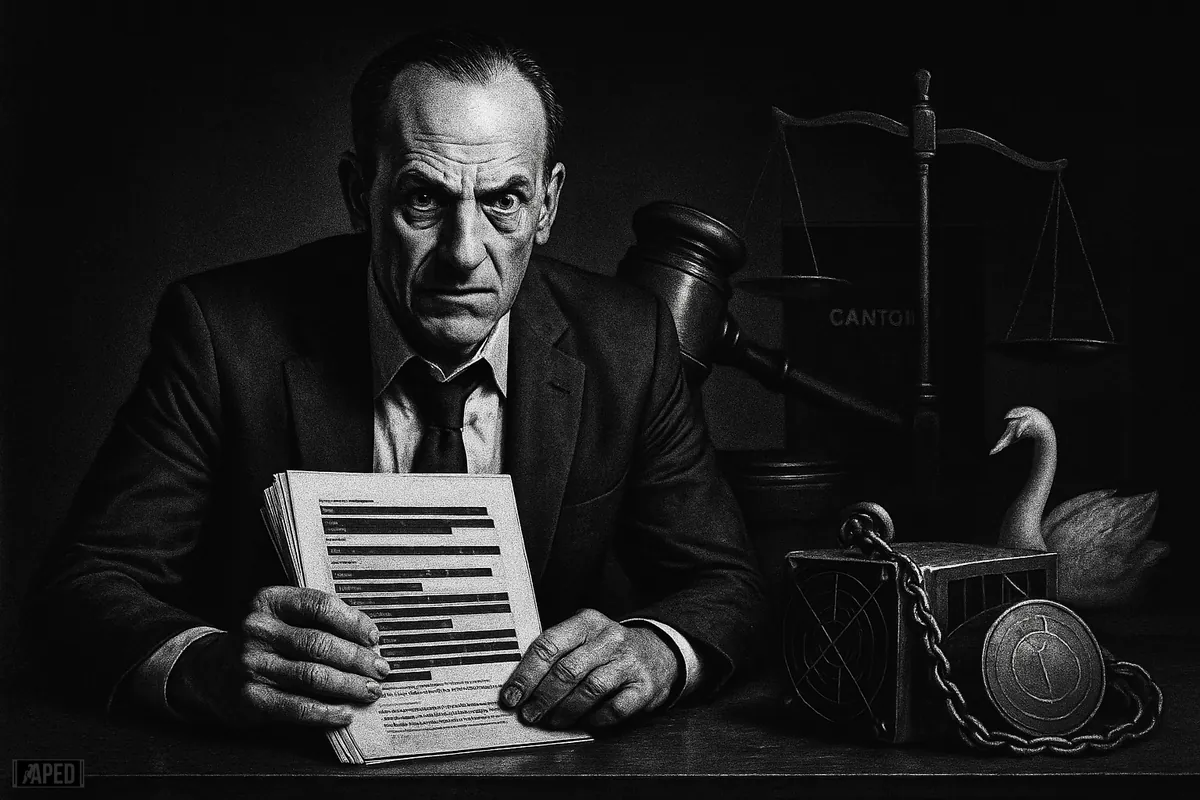
Share article
Share article
The move is procedural, but it is the sort of procedural that can flip a case. If Swan gets the discovery it wants, the dispute stops being a he-said-she-said employment fallout and turns into a paper trail fight.
Enjoy articles without ads?
Register for free and get unlimited access to all articles.
What Swan is asking the court to do
Swan's stated goal is to obtain material connected to a failed mining venture involving Tether, and specifically to test whether Lutnick and Cantor had knowledge of key facts around that venture. [3]
How this ties back to Swan's ex-staff lawsuit
This subpoena push sits downstream of Swan's broader lawsuit against several former employees, which Swan says spiralled after the mining venture went sideways. [4]
Per the reporting, Swan alleges that after the venture failed, employees stole documents, resigned, and then launched a rival firm. The discovery request suggests Swan believes Cantor and Lutnick may hold communications or documents that clarify who knew what, and when, about the venture's status and prospects.
Why Cantor and Lutnick matter here
Cantor Fitzgerald is not a random third party in crypto plumbing. Even without getting into vibes, a subpoena aimed at a major financial firm signals Swan thinks the most credible evidence is sitting outside the Slack logs of a startup and inside institutional inboxes and deal files.
Swan's claim, as summarised by Cointelegraph, is that Lutnick likely knew about the failed Tether-linked venture. If that is correct, Cantor could have:
- emails and meeting notes that timestamp discussions,
- term sheets or diligence packs that describe the venture's structure,
- internal memos reflecting risk assessments or operational realities.
If Swan is wrong, the subpoena still creates friction and cost, but it can also backfire by producing clean records that undercut its narrative.
Market read-through: no token, but real operational risk
What would invalidate Swan's pressure play (risk box)
- Court denies or narrows the subpoenas, limiting Swan's access to Cantor and Lutnick materials.
- Produced documents show no meaningful involvement or knowledge, weakening Swan's theory of the case.
- Discovery reveals facts that complicate Swan's own timeline around the failed venture and the employee departures.