 See more like this on Google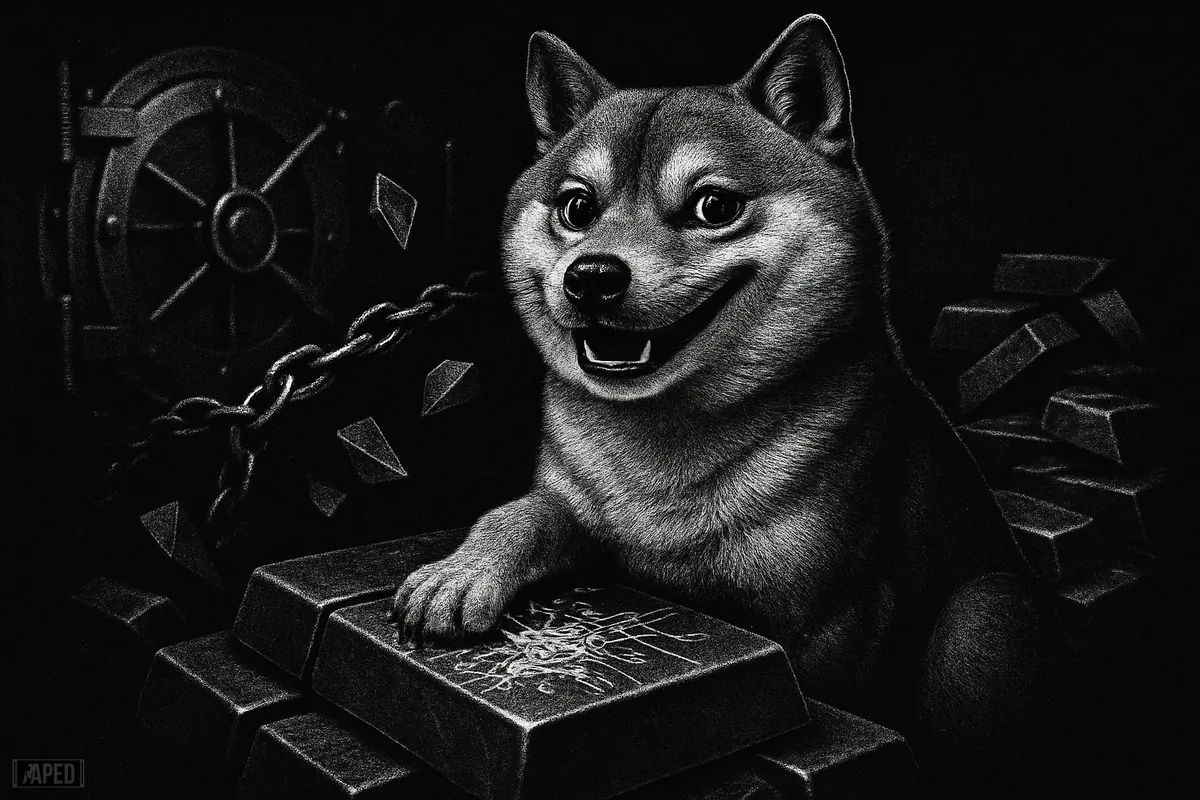
Share article
Share article
Enjoy articles without ads?
Register for free and get unlimited access to all articles.
Why a DOGE-branded firm is looking at gold
That contrast is probably the point.
For a DOGE-linked firm, tokenized gold can act as a credibility upgrade. It broadens the story beyond pure meme speculation and puts the business closer to the real-world asset trade that has been gaining traction across crypto. If your brand says "degenerate," attaching it to bullion is one way to say you also want adults in the room.
Tokenized gold is already a real market
What buyers actually get
That is where the gap between a serious product and pure marketing starts to show.
A DOGE-themed company entering this lane will need to answer the boring questions fast. Custody, reserves, audits, issuance standards, redemption mechanics, and jurisdiction are not optional footnotes. They are the whole game. Without that, "tokenized gold" is just shiny packaging. [3]
The bigger trend is real-world assets, not memes
The move also fits a larger crypto shift. Real-world assets, or RWAs, have become one of the sector's most persistent narratives because they connect blockchain infrastructure to instruments people already understand. Treasury products led that wave, then funds, private credit, and commodities followed.
Gold sits in a useful middle ground. It is easier for retail investors to understand than tokenized credit, and less politically loaded than synthetic dollars. It also carries an obvious hedge narrative in volatile markets.
Why the launch could still flop
A catchy theme does not solve the structural problems.
Third, regulation can get messy fast. Gold-backed tokens touch commodities, payments, custody, securities-like disclosures, and cross-border compliance issues depending on structure and venue. A meme-adjacent company trying to do this seriously will need much tighter operational discipline than a typical token launch. [4]
The meme-to-metal challenge
There is also a perception problem. Dogecoin culture is built on irony, community, and speculative energy. Gold buyers, even crypto-native ones, usually want stability and predictability. Those audiences can overlap, but they do not think the same way.
So the firm has to decide what it is actually selling. Is this a serious bullion product with a funny wrapper, or a marketing stunt dressed up as an RWA? Markets tend to figure that out pretty quickly.
What this says about crypto right now
The interesting part is not that a DOGE-themed company wants gold. It is that crypto's speculative brands are increasingly reaching for real assets to extend their shelf life.
That says something about the market cycle. Pure narrative pumps still happen, but businesses want products that can survive beyond attention spikes. Tokenized gold gives them a way to plug into a category with existing demand, visible benchmarks, and cleaner economics than many native crypto experiments. [5]
It also shows how branding and infrastructure are getting mashed together. A meme can open the door. It cannot replace proof of reserves.
The Bottom Line
This move looks less like a joke and more like a test. Can a Dogecoin-flavored brand win business in a market where trust, custody, and liquidity matter more than vibes?
That depends on execution. If the company delivers audited backing, clear redemption terms, and real exchange liquidity, it could carve out a niche by making gold feel more legible to crypto retail. If it leans too hard on the DOGE gimmick and skimps on structure, traders will move on and incumbents like PAXG and XAUT will keep the market.