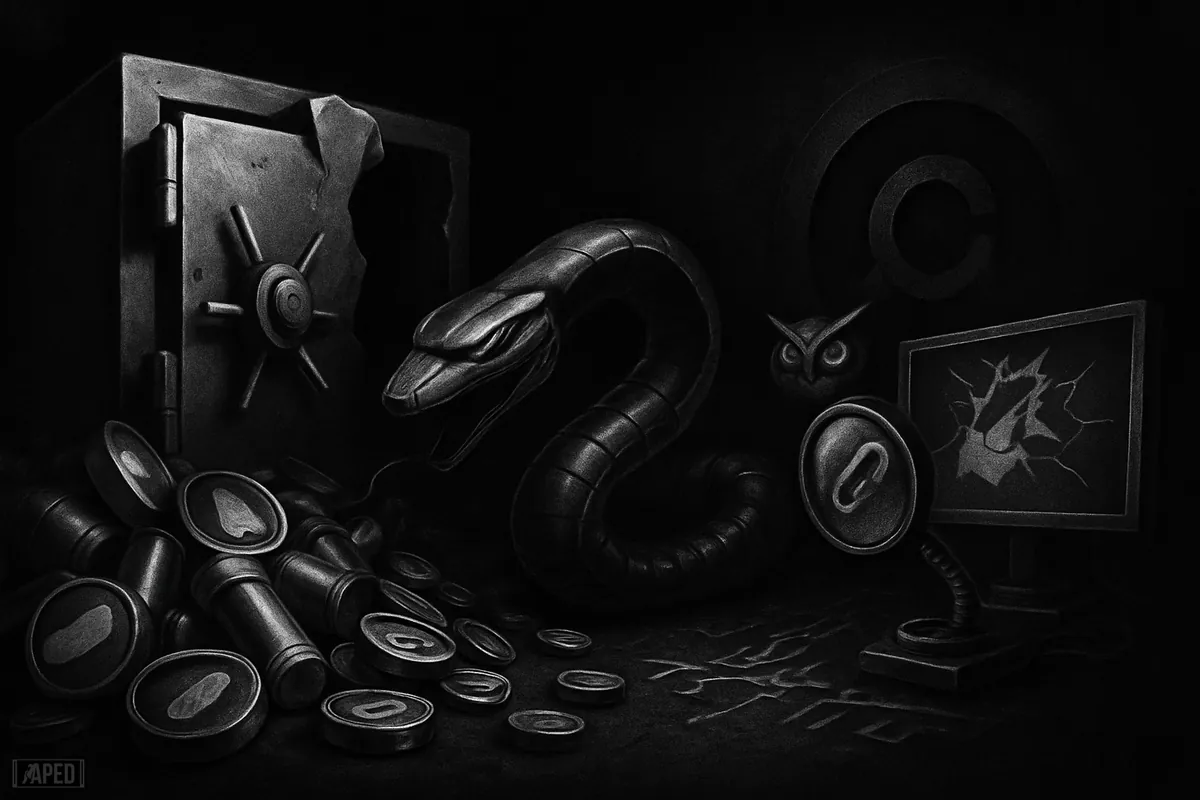
Risk was the real headline on June 18. Policy tailwinds from the previous session were still in the air, but the day itself belonged to an old-fashioned exploit: dusty contracts, stale assumptions, and $7.3 million gone before most traders had finished their coffee.
Enjoy articles without ads?
Register for free and get unlimited access to all articles.
Market Mood
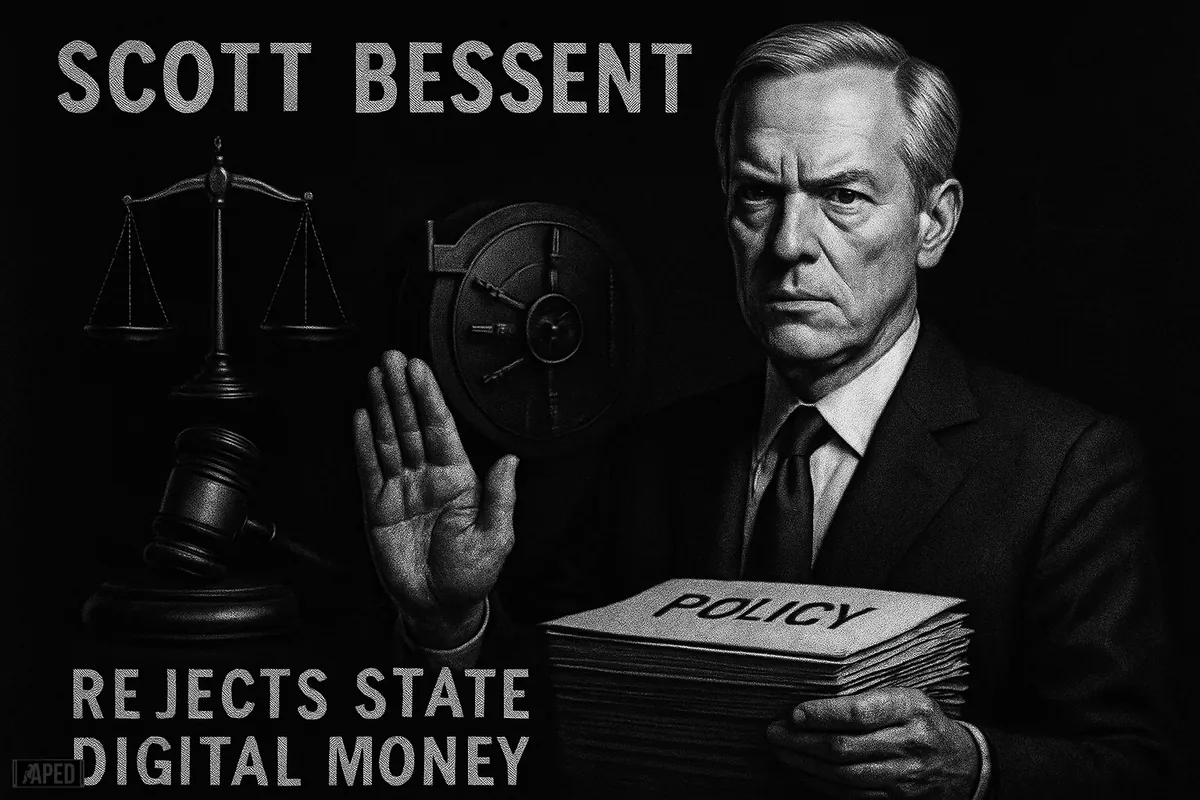
Yesterday's constructive tone did not vanish, but it certainly lost the front page. The backdrop coming into June 18 was still relatively friendly after June 17's Washington signal shift, when Scott Bessent backed the CLARITY Act and rejected a US CBDC. That combination mattered because it reinforced a market view that US policy may be moving toward clearer rules without folding crypto into a state-run digital dollar framework. [1]
That said, today's flow was less about macro optimism and more about operational risk. When the largest story on the tape is a protocol exploit, sentiment tends to narrow fast: majors may stay composed, but attention rotates from upside narratives to balance-sheet exposure, contract design, and whether any contagion is lurking in the plumbing.
The day's clear mover was the DxSale exploit, published at 3:31 PM UTC. Attackers exploited legacy BNB$547.09 Chain liquidity lockers dating back to 2021 and drained roughly $7.3 million across about 1,400 pools. The age of the affected contracts is doing a lot of the storytelling here. This was not some exotic zero-day in a shiny new primitive. It was legacy infrastructure left live long enough to become a liability. [2]
The broad pool count makes the incident worse than a single treasury hit. A drain spread across 1,400 pools means fragmented damage, more user confusion, and a longer cleanup cycle for teams trying to determine which positions are impaired, which tokens still have functional liquidity, and which markets are now effectively decorative. Even where the dollar loss per pool is modest, the practical effect can be severe if a project's usable market depth disappears.
The attacker reportedly routed funds to Binance, which is relevant for two reasons. First, exchange touchpoints can create at least some chance of tracing, freezing, or identifying flows, depending on timing and compliance coordination. Second, once stolen funds start moving through large venues, the market starts gaming out the odds of recovery versus the odds the trail simply goes cold through further hops. [2]
Why this one matters beyond the dollar figure
$7.3 million is meaningful, but the bigger lesson is structural. The exploit targeted old locker contracts, a reminder that crypto does not just carry smart contract risk at launch. It carries maintenance risk indefinitely. Contracts that looked serviceable in one market cycle can become soft targets in the next, especially when teams, users, or liquidity providers assume "old" means "battle-tested."
BNB$547.09 Chain also takes another reputational bruise when an exploit lands on its rails, even if the root issue sits with legacy app-level code rather than the base chain itself. Traders tend not to be charitable about these distinctions in real time. When losses hit, capital often treats ecosystems as one basket first and sorts out nuance later.
Yesterday's regulatory signal still sets the frame
Although June 18 did not bring a fresh regulatory bombshell in the stories provided, the prior day's developments still matter for interpreting market mood. Bessent's support for the CLARITY Act and opposition to a US CBDC gave the industry a cleaner narrative entering today: Washington may be inching toward market structure clarity while stepping back from direct state competition with private crypto rails. [1]
That kind of signal tends to support infrastructure names, compliant exchanges, and projects betting on a longer institutional adoption curve. But today was a useful reminder that friendlier regulation does not magic away protocol risk. A market can be simultaneously more optimistic about policy and more cautious about what is actually safe to touch on-chain. Those are not contradictory views, just a fairly mature one.
Today's Bottom Line
June 18 was a two-speed market. At the top level, the regulatory weather still looks better than it did a week ago. At ground level, the DxSale exploit showed how quickly confidence slips when old code meets live money.
The main lesson is boring, which usually means it is important: legacy contracts are not harmless just because they have been sitting there for years. Illiquid pools, forgotten lockers, and thinly monitored infrastructure remain prime rug-adjacent territory even without malicious insiders. For traders and teams, that means counterparty diligence still matters more than vibes, and "deployed" should never be confused with "secure."
What to watch next
Any Binance-related update on fund tracing, freezes, or recovery efforts tied to the DxSale exploit.
Disclosures from affected projects on which pools were hit and whether replacement liquidity is being deployed.
Whether the exploit triggers broader scrutiny of legacy BNB$547.09 Chain lockers and similar aging contract systems elsewhere.
Follow-through from the June 17 policy narrative, especially whether pro-CLARITY messaging keeps supporting medium-term sentiment despite short-term security scares.
Your reviews help us improve the quality of both current and future articles. All reviews are public and visible to other readers. We use both ratings and comments to improve future articles and to revise any articles that do not meet our standards.
 See more like this on Google