Bitcoin spent April 8 trading like a macro headline with a ticker. The immediate catalyst was geopolitical de-escalation: a Trump-posted signal of a pause in Iran strikes lit the fuse, Polymarket confirmed where traders thought the story was going, and crypto ripped as shorts got steamrolled. [1]
Enjoy articles without ads?
Register for free and get unlimited access to all articles.
Market Movements
Bitcoin clears $71K as ceasefire hopes flip risk sentiment
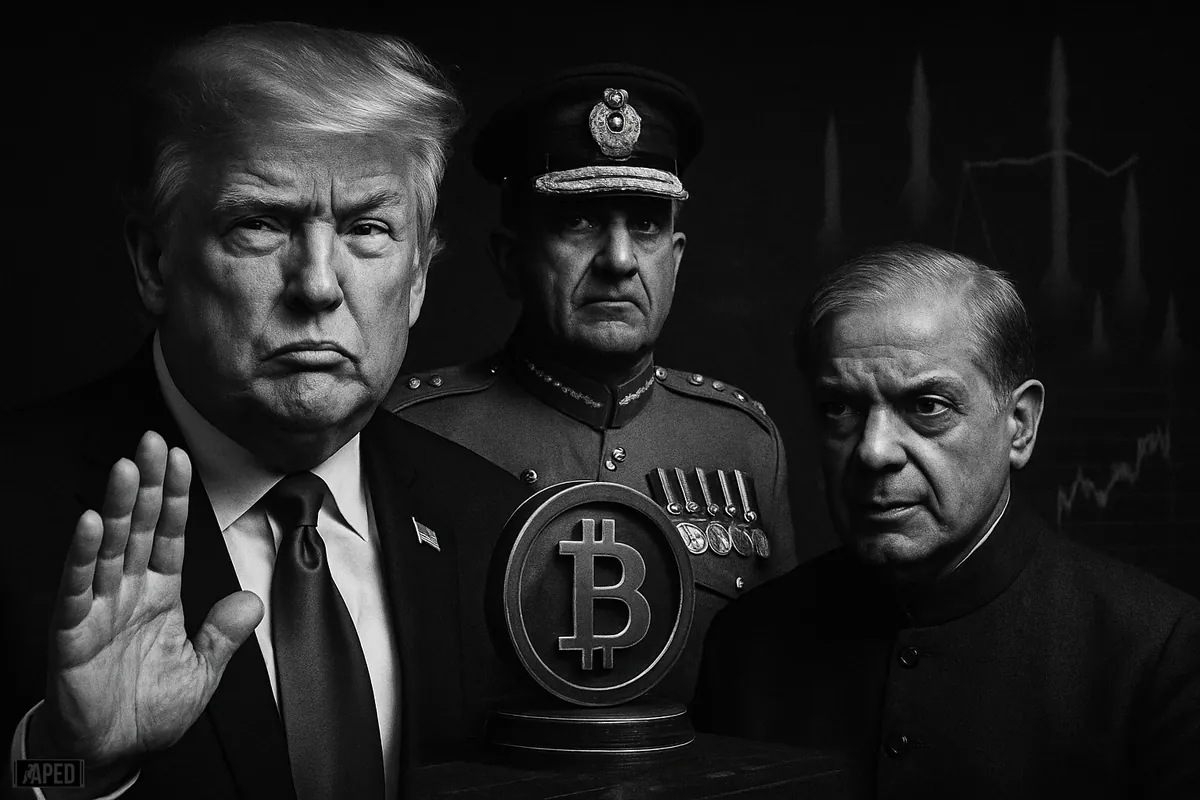
The day's first major move landed just after midnight UTC, when Bitcoin$80,606.63 pushed through $71,000 after Trump signalled a two-week pause in Iran strikes. That mattered because the market had been using Middle East escalation as a live risk-off input. Once that pressure eased, traders rotated back into risk quickly.
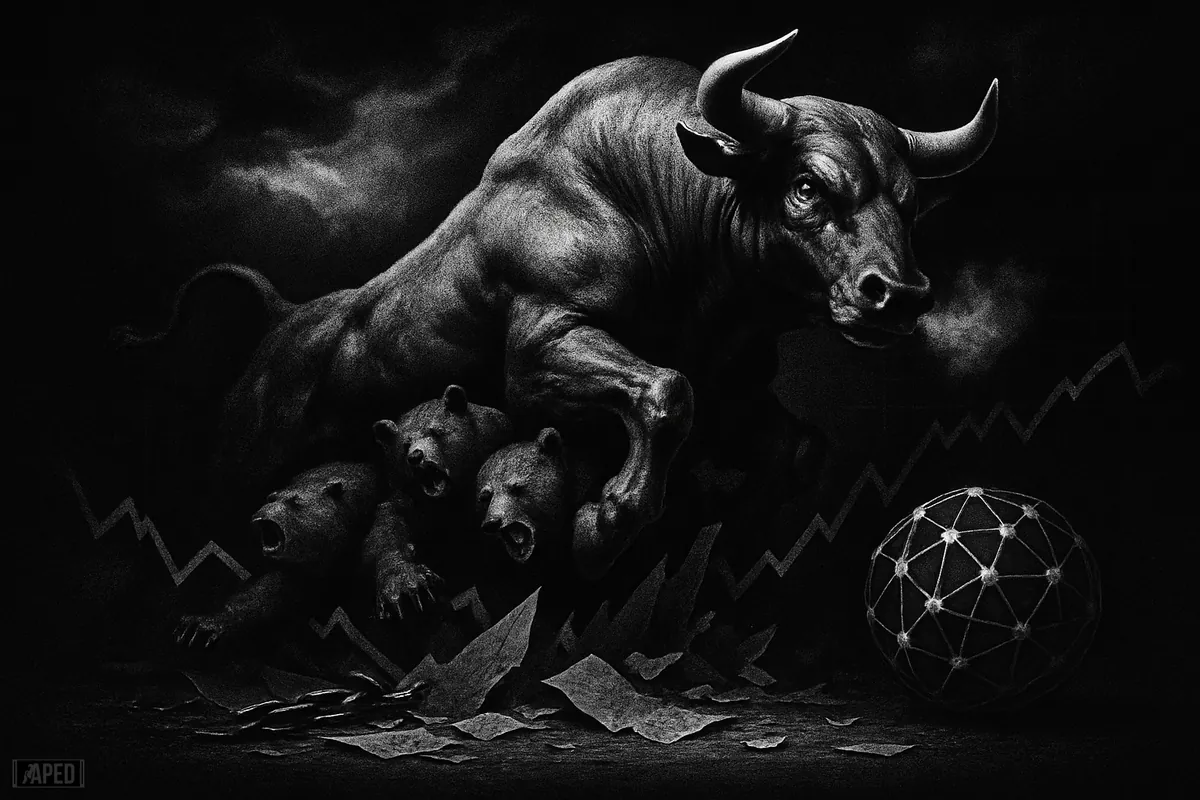
The rally looked less like a slow grind and more like positioning getting caught wrong-footed. By 05:03 AM UTC, the follow-through was clear: roughly $427 million in crypto shorts had been liquidated over 24 hours, with Bitcoin leading the squeeze. That kind of move is usually part real demand, part forced buying, and markets rarely care which side of the candle caused the pain. [2]
Polymarket then gave the move a cleaner narrative anchor. At 03:31 AM UTC, the platform resolved its US-Iran ceasefire market to YES after nearly $787,000 in volume. Prediction markets are not perfect truth machines, but they do act as fast sentiment aggregators, and this one had effectively become a proxy for geopolitical risk across CT. Once it resolved, one layer of uncertainty disappeared and the de-escalation trade gained credibility. [1]
The bounce came with a caveat: support still matters
Not every Bitcoin$80,606.63 signal was straight-up bullish. A later market analysis argued that a drop toward $64,000 could still be constructive if it forces short-term holders into capitulation and creates a local bottom. In other words, traders were celebrating the breakout, but the structure underneath remains fragile enough that a hard reset lower would not automatically kill the trend.
That tension defined the day's mood. Sentiment improved fast, but it was still headline-driven and therefore vulnerable. If the ceasefire narrative weakens, a chunk of this move risks looking mercenary rather than proper spot-led conviction.
Geopolitics and Risk
Satellite surveillance story keeps the background risk bid alive
The bullish ceasefire tape was offset by a darker geopolitical development. US officials said Iran is using Chinese commercial AI satellite imagery to monitor American bases, highlighting how civilian technology is bleeding further into military intelligence use. [3]
That story did not reverse crypto's rally, but it did explain why traders were so reactive to every de-escalation headline. The background remains dodgy. Markets were not pricing peace, they were pricing less immediate escalation.
Mining and Network Health
Bitcoin hashrate drops in Q2 as miners feel the squeeze
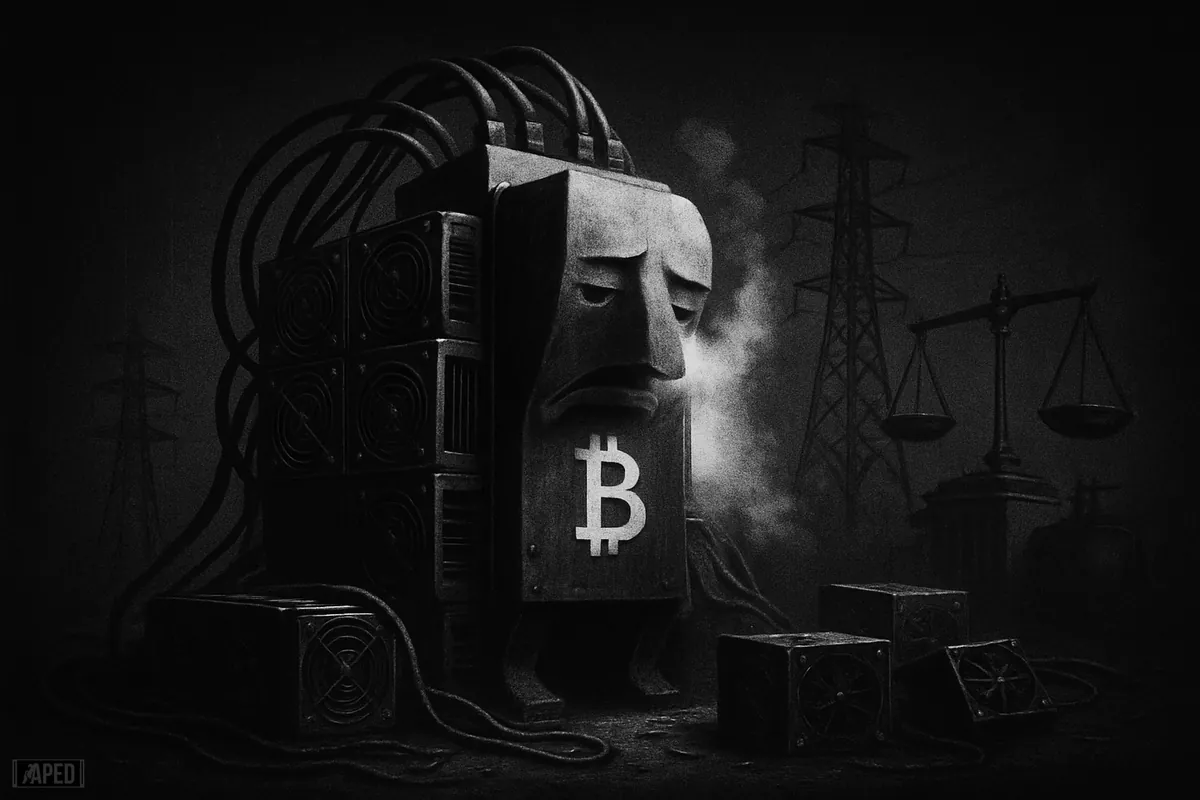
Away from price, Bitcoin$80,606.63's mining backdrop looked softer. Global hashrate fell 5.8% in Q2 2026 to 1,004 EH/s, with weak hashprice, lower BTC prices earlier in the quarter, and energy pressures all cited as contributors. [4]
A falling hashrate does not automatically mean structural trouble, but it does show margins are getting pinched. Miners have been operating in a tighter post-halving environment for a while now, and this quarter's decline suggests some operators have had to throttle down or exit less efficient capacity.
Mining stays concentrated in a few countries
Geographic distribution remains another weak point. Fresh data showed the US, Russia, and China account for around 65% of Bitcoin hashrate. That concentration does not break the network, but it does undercut the neat decentralisation story people like to repeat without checking the numbers. [5]
Put together, the mining data painted a more sober picture than the price chart did. Bitcoin rallied on macro relief, but the industrial base securing the network is still dealing with compressed economics and concentrated exposure.
Stablecoins and Regulation
FDIC moves on GENIUS Act rules, draws a hard line on insurance
Stablecoin regulation moved forward in a less flashy but more consequential way. The FDIC said bank-supervised stablecoin issuers will fall under new GENIUS Act rules, while explicitly clarifying that stablecoin holders are not protected by deposit insurance. [6]
That point matters. Retail users often hear "bank-supervised" and assume insured safety, but the FDIC is trying to kill that misunderstanding before it scales. The likely outcome is clearer disclosure requirements and tighter operating standards for issuers trying to sit closer to the banking system.
USDX supply implodes after a $676 million burn
Stress in the stablecoin sector was not just theoretical. USDX$0.545121 saw its supply collapse after a $676 million burn, one of the sharper contractions of the day. A burn of that size can mean redemptions, restructuring, or a scramble to defend a product that is losing relevance, and none of those are especially comforting on first read.
Even without more context, the headline reinforced a basic truth: not all stablecoin supply is sticky, and not all dollar wrappers deserve the same confidence. Traders chasing yield in fringe products are still taking issuer risk whether they admit it or not.
Regional Policy and Payments
Africa's regulatory picture looks clearer, at least on paper
Ripple argued that 2026 could become a turning point for crypto regulation in Africa, pointing to more licensing frameworks, clearer stablecoin rules, and stronger payments oversight. The takeaway was less about Ripple itself and more about a region where real payments use cases often get drowned out by the usual speculative noise.
If those frameworks do materialise, they could give regulated stablecoins and cross-border settlement products a cleaner runway. The risk, as ever, is execution. Announced policy progress and actual licensing throughput are often miles apart.
Corporate Treasury and Altcoin Exposure
DeFi Development Corp leans harder into Solana
DeFi Development Corp said it held 2.22 million Solana$76.56 in its March 2026 recap, worth about $185 million, while continuing to pitch growth in SOL per share. That is effectively a public-market wrapper around a large Solana treasury bet, and it arrived while both DFDV and SOL were under pressure.
The strategy will appeal to equity investors who want Solana exposure without touching on-chain rails directly. It also creates a familiar problem: once a company starts marketing treasury accumulation as the product, investors need to watch the premium to NAV, dilution risk, and whether the whole thing turns into a sentiment vehicle rather than an operating business.
Key Takeaways
April 8 was a reminder that crypto still trades as the fastest horse for narrative repricing. Bitcoin's rally above $71,000 was real enough, but it was driven first by geopolitics, then amplified by liquidations, then validated by prediction market resolution. That is bullish in the short term, though not the cleanest kind of bullish.
Under the hood, the day was more mixed. Miners are still under pressure, hashrate remains concentrated, stablecoin regulation is tightening, and at least one dollar token just saw supply fall off a cliff. There were constructive signals too, especially around African regulatory progress and continued institutional-style treasury plays around SOL, but they sat alongside clear reminders that this market still has thin spots.
The invalidation line is fairly simple. If ceasefire optimism fades or fresh escalation headlines hit, the risk-on move that carried Bitcoin through $71,000 could unwind quickly. If spot demand keeps absorbing that risk and BTC holds up without another liquidation-led shove, then the market may have more than just a headline bounce on its hands.
Your reviews help us improve the quality of both current and future articles. All reviews are public and visible to other readers. We use both ratings and comments to improve future articles and to revise any articles that do not meet our standards.
 See more like this on Google