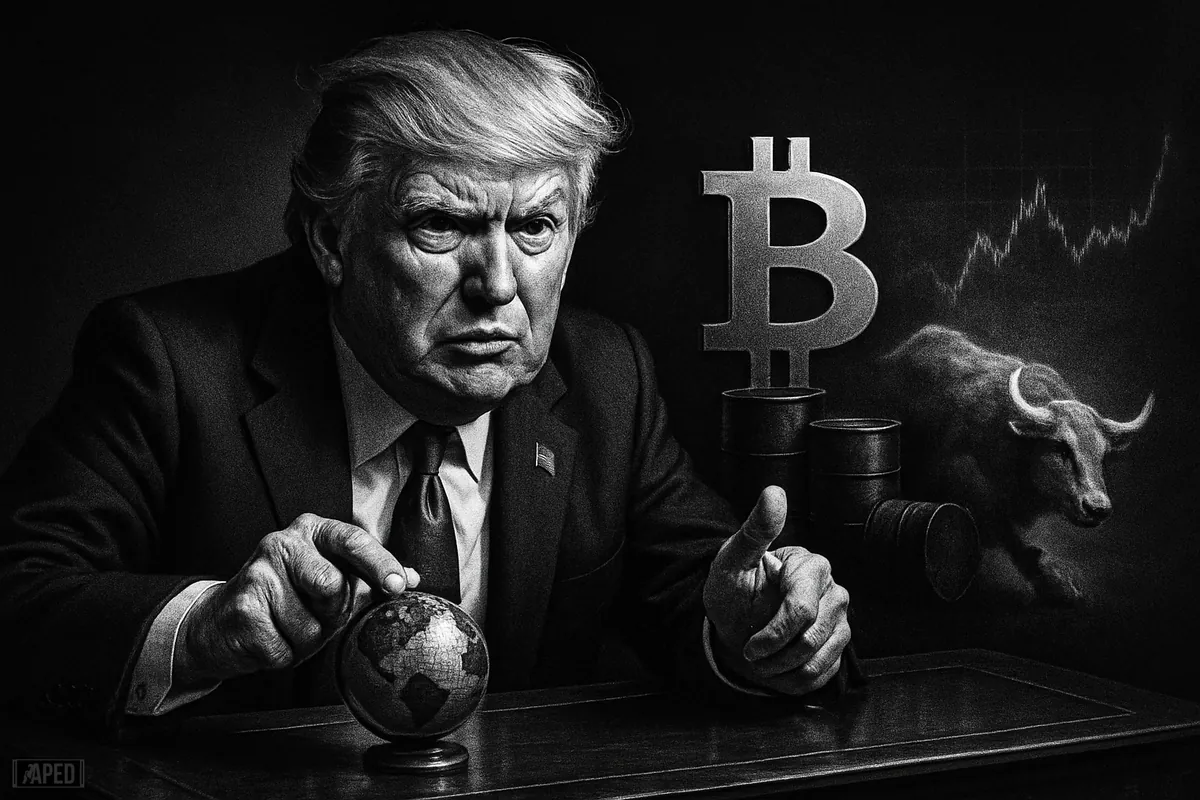
Bitcoin$80,599.99 is back knocking on $70,000, and the move is not coming from a crypto-native catalyst. It is coming from geopolitics. Late Tuesday, risk markets flipped as headlines pointed to a possible US-Iran breakthrough before President Donald Trump's deadline, sending oil lower and helping BTC reclaim momentum. The level that matters now is simple: can Bitcoin turn the upper $69,000s into support, or was this just a headline squeeze? [1]
The cross-asset setup was clean enough to read in real time. Oil sold off sharply as traders priced lower odds of a supply shock tied to Middle East escalation and possible disruption around the Strait of Hormuz. Bitcoin$80,599.99, which had been trading under pressure earlier in the session, rebounded toward $70,000 as that macro stress premium faded. Stocks also improved, reinforcing the message that this was a broad risk-on reset, not some isolated crypto pump. [2]
Register for free and get unlimited access to all articles.
Why the market suddenly flipped
The trigger was a batch of late-session reports suggesting a diplomatic deal could be close. CNN, citing a regional source, reported that "some good news" was expected soon from both sides and that an agreement could be finalized before the deadline expires. That changed the tone fast. A market that had spent hours gaming out escalation had to reprice the opposite outcome. [3]
This matters because oil had become the cleanest transmission channel for geopolitical fear. If traders believe the odds of confrontation are dropping, crude loses its panic bid first. Once that unwind starts, other assets that were leaning defensive can catch a bounce. Bitcoin has increasingly traded like a high-beta macro asset in moments like this, especially when the move is driven by headline risk rather than a crypto-specific shock.
Pakistan's reported push for a two-week extension added another layer. Even if no final agreement is signed immediately, an extension can still function as a de-escalation signal. For markets, that is often enough. Traders do not need perfect peace to reprice, they just need lower odds of an imminent mess.
BTC's rebound toward $70,000 is a reminder that the asset still sits in the global risk bucket when macro headlines take over the tape. There was no major protocol upgrade, ETF bombshell, or on-chain catalyst driving this leg. The narrative was straightforward: less war premium, lower oil, better risk appetite, stronger Bitcoin$80,599.99. [4]
That does not make the move weak. It just means traders should frame it correctly. A headline-driven bid can send hard, but it can also reverse just as quickly if the diplomatic readout disappoints. If the deal chatter stalls or gets denied, the same flows that pushed oil down and BTC up can snap back the other way. That is how traders get rekt chasing a clean narrative one hour too late.
The fact that Bitcoin approached $70,000 instead of blasting cleanly through it also fits the setup. Round numbers attract sellers, profit-taking, and short-term hedges. A lot of participants will want confirmation before paying up above a level that has become both psychological resistance and a natural headline magnet.
Oil is the tell
If you want the fastest signal on whether this Bitcoin move has legs, watch crude. Oil was the market's fear gauge through this episode, and it remains the best read on whether traders really believe de-escalation is underway.
A durable drop in oil would suggest markets are pricing a meaningful reduction in regional supply risk. That would keep pressure off inflation expectations and support the broader risk complex, including crypto. If oil bounces sharply, it is a sign the market no longer trusts the diplomacy headline, and Bitcoin could lose altitude with it. [5]
That link is not theoretical. When geopolitical stress pushes energy prices higher, investors start recalculating growth, inflation, and central bank reaction functions all at once. Bitcoin can still act as a hedge in some longer-cycle debates, but intraday and over a few sessions, it often trades with liquidity conditions and risk appetite. Right now, the market is treating BTC more like a momentum asset than digital gold. No need to romanticize it.
The obvious risk is that "deal hopes" remain just that, hopes. Diplomatic leaks often appear before final terms are locked, and markets are notorious for front-running outcomes that never arrive. If Trump's deadline passes without a credible breakthrough, or if either side hardens its stance, the current cross-asset reversal could unwind fast.
The second risk is positioning. Headline-driven moves tend to attract short-covering first and conviction longs second. That means the initial pop can overstate how much genuine spot demand is behind the move. If Bitcoin cannot hold gains near $70,000, it may signal the bounce was mostly leverage cleaning itself up rather than fresh capital stepping in.
A third risk is simple market fatigue. Traders have been forced to react to every geopolitical update in real time, and that can produce choppy price action even when the broader narrative seems clear. One optimistic leak, one denial, one delay, and the whole tape starts looking like exit liquidity for whichever side got too comfortable.
Why this matters
Tuesday's rebound shows how tightly crypto is wired into macro sentiment when geopolitics hits peak intensity. Bitcoin did not rally because the market suddenly discovered a new fundamental truth about the network. It rallied because the odds of an immediate Middle East shock appeared to fall, dragging oil lower and lifting risk assets with it. [6]
For now, the watchlist is simple: $70,000 in Bitcoin, crude's next move, and whether the reported US-Iran progress turns into an actual agreement or just another fleeting headline. If de-escalation holds, BTC has room to send. If not, traders should expect volatility, fakeouts, and a quick reminder that headline markets do not care about anyone's bags.
Your reviews help us improve the quality of both current and future articles. All reviews are public and visible to other readers. We use both ratings and comments to improve future articles and to revise any articles that do not meet our standards.
 See more like this on Google