 See more like this on Google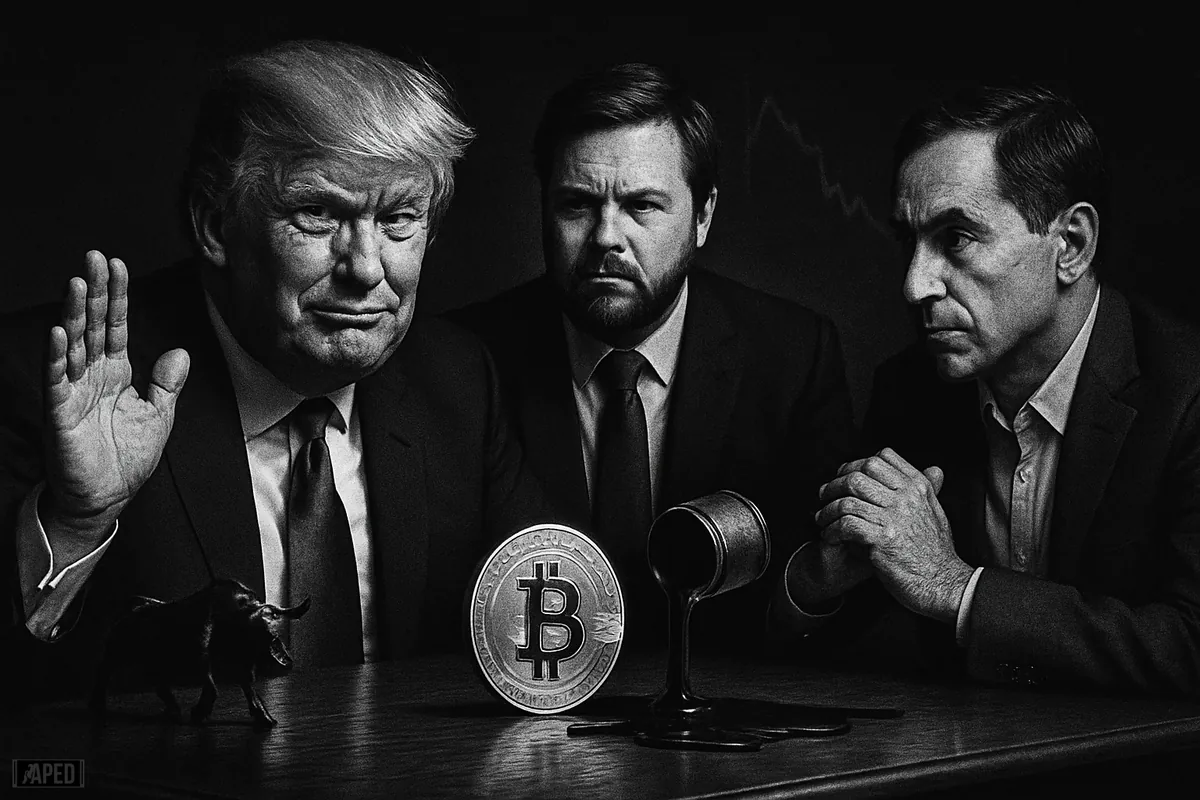
Share article
Share article
Enjoy articles without ads?
Register for free and get unlimited access to all articles.
Why markets moved
The basic read-through is not complicated. If Washington and Tehran are moving closer to a deal, the market assumes lower geopolitical risk across the Middle East. That tends to reduce the "fear premium" embedded in oil prices and support risk assets like equities and crypto.
Oil loses its war premium
That said, "possible" is doing a lot of work here.
Crypto's move was positive, not euphoric
A modest gain says something too
The size of the move is arguably the most honest part of the story. If traders believed a finalized agreement was imminent, risk assets likely would have moved harder. Instead, the response looks more like relief than conviction.
That skepticism is supported by reporting from Bloomberg cited in the source material. Gulf Arab and European officials reportedly believe a final agreement could take roughly six months to negotiate. So despite the upbeat language from Trump, the institutional view appears considerably less breathless. Shocking, really. [4]
Talks are progressing, but the finish line is distant
The weekend negotiations matter because they arrive just ahead of the ceasefire's expiration. Any extension or concrete framework would likely reinforce the current market narrative of de-escalation. A breakdown, on the other hand, could reverse Friday's moves quickly, especially in oil.
Recent political signals have also been mixed. The US House reportedly rejected a War Powers Resolution on Iran by a single vote, a reminder that domestic political constraints remain live. That matters because diplomatic momentum can be fragile even when leaders sound confident in public. [1]
What to watch next
For oil, watch whether the geopolitical premium keeps unwinding or snaps back on any sign of deadlock. For Bitcoin, the key question is whether it can turn this macro tailwind into follow-through above recent trading levels, rather than just another headline pop that fades by Monday.
Right now, the market is pricing hope, not resolution. That can work for a day or two. It is less reliable as an investment thesis.
People Referenced

Donald Trump
American real estate mogul, media personality, and former president who reshaped branding and politics.
JD Vance
James David Vance is the 50th Vice President of the United States, a Republican author and senator known for his populist message.
Abas Aslani
Iranian journalist and senior research fellow at Tehran’s Center for Middle East Strategic Studies (CMESS), focused on Middle East security.