See more like this on Google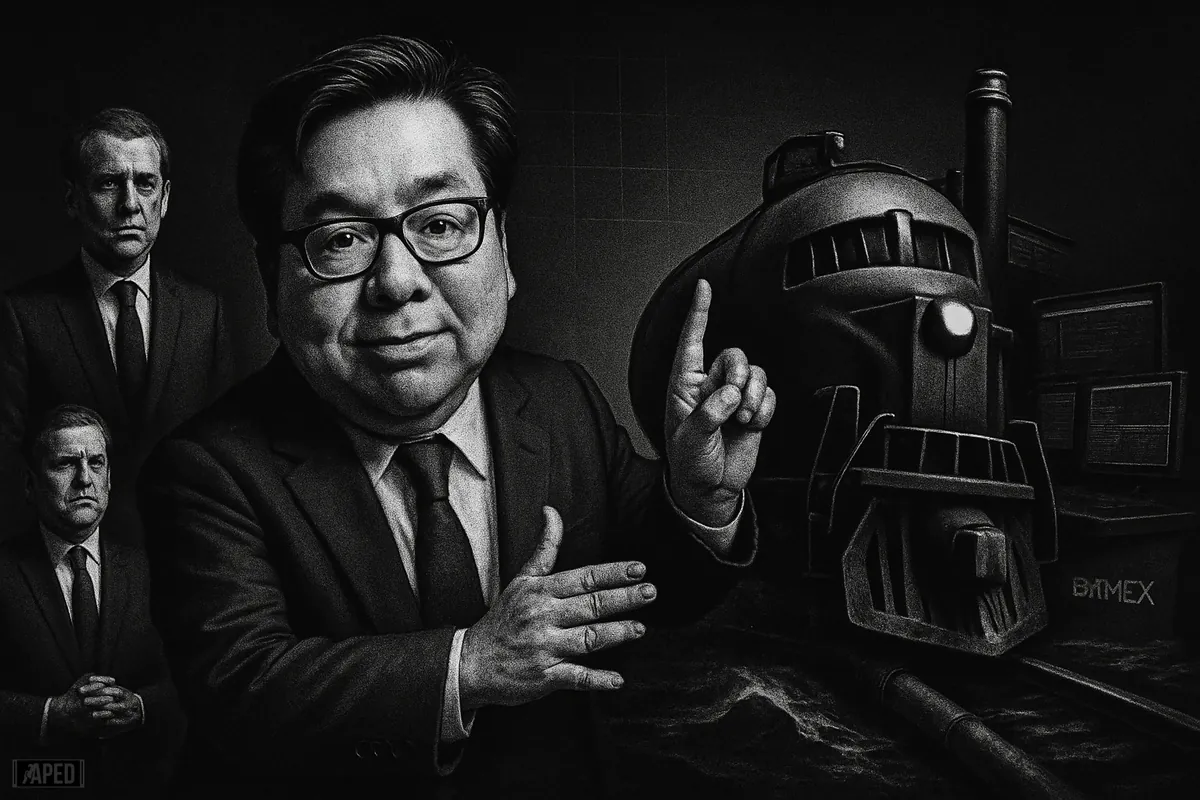
Share article
Share article
Enjoy articles without ads?
Register for free and get unlimited access to all articles.
The setup: bullish call, ugly backdrop
Lee's thesis is straightforward. Markets have already priced in most of the selling pressure, and once panic around the conflict cycle fades, stocks can recover. That view lines up with the classic "bad news peak" trade. When positioning gets too bearish, even a messy macro tape can produce a bounce. [2]
The problem is timing. Oil is not a side quest here. It is the transmission mechanism.
As of the latest move cited across market reports, WTI jumped roughly 6.8% to about $103, Brent climbed 6.4% to around $101, and heating oil led with a 7.8% surge. That kind of move is not just traders farming headlines. It suggests markets are repricing actual supply risk tied to Hormuz, the chokepoint for a huge share of global seaborne crude flows. [3]
Why Hormuz matters more than the average war headline
Markets can usually shrug off distant conflict until it threatens shipping lanes, energy infrastructure, or payment systems. Hormuz hits the first two immediately.
The strait handles a critical share of global oil and LNG exports. Even without a full closure, higher insurance costs, rerouted cargo, naval risk, and delayed shipments can tighten supply. Traders do not need an actual blockade to bid up crude. They just need enough uncertainty to start charging a fear premium. [4]
This matters for crypto too, even if the connection is not always obvious at first glance.
Crypto's problem: oil spikes are not automatically bullish
If Lee is right and equities have bottomed, crypto could benefit from a broader recovery in risk appetite. If he is wrong, the path gets uglier fast because crypto is still deeply tied to macro liquidity, no matter how much the timeline wants to pretend otherwise.
What the oil move is really signaling
The cleanest read on this market is that traders are separating price damage from structural damage.
For equities, this creates an awkward split. Some sectors benefit, especially energy producers and parts of defense. But broad indexes do not love a shock that raises input costs while undermining growth. That is the collision with Lee's call. A market bottom can form during chaos, but sustained oil strength above $100 makes the rebound case narrower and more selective.
Where the bullish case still has a shot
Lee is not betting on perfect conditions. He is betting that markets have already absorbed most of the bad news.
That can work if three things happen quickly. First, Hormuz does not move from risk premium to full supply dislocation. Second, policymakers contain the diplomatic fallout enough to calm freight and insurance markets. Third, oil starts acting like a spike, not a new regime.
Still, calling a bottom while energy markets are screaming is a low-visibility trade. Not impossible. Just not comfy.
The bigger picture
This is one of those moments when macro actually matters more than the meme.
Lee's call is a reminder that bottoms often form when the news flow still looks terrible. But oil above $100 is not background noise, and the Hormuz risk is not just another scary headline to fade on social media. It is a direct test of whether markets can stabilize while the global energy system is under stress.
If crude loses the panic premium and holds lower, Lee's bottom call gets a lot more credible. If oil stays above $100 and the Hormuz crisis deepens, expect more pain before any real recovery shows up.
People Referenced
Thomas Lee
Thomas Lee is a Fundstrat research leader and chairman of BitMine, guiding the firm’s pivot toward Ethereum.
Emmanuel Macron
Emmanuel Macron is the President of France and Co-Prince of Andorra, leading national and EU policy since 2017.
Keir Starmer
Keir Starmer is a British lawyer and politician, serving as UK Prime Minister since 2024 and Labour Party leader since 2020.