See more like this on Google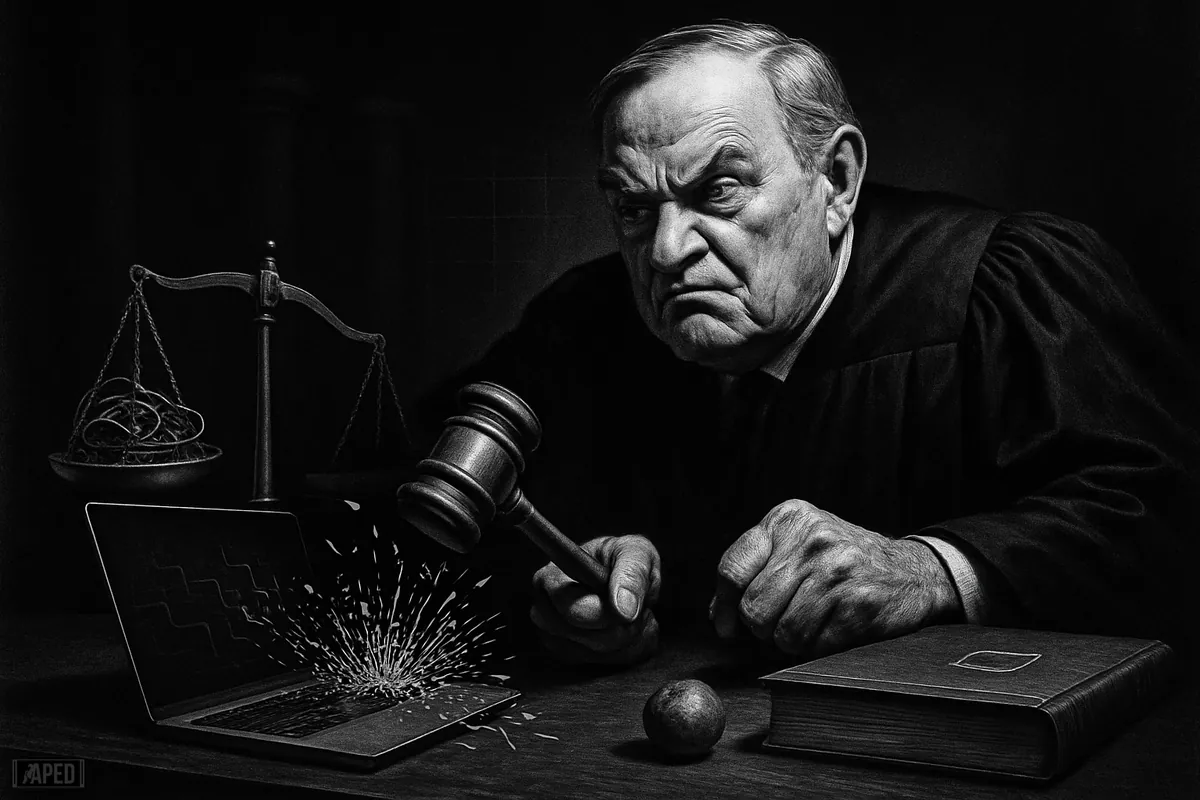

Share article
Share article
Enjoy articles without ads?
Register for free and get unlimited access to all articles.
What the judge actually did (and did not do)
The Texas court's dismissal functionally ends this particular attempt to get a preemptive "safe harbor" for a software developer through a civil lawsuit. Reporting around the decision indicates the judge found the dispute was not ripe for review and that the plaintiff failed to clear basic hurdles like demonstrating a concrete, imminent injury traceable to the government. [3]
That matters because it means the court avoided issuing what would amount to an advisory opinion. In plain terms: a federal court is not going to hand developers a blanket permission slip for hypothetical future prosecutions, especially when enforcement facts are not yet on the table.
The legal fault line: code, control, and "money transmitting"
At the heart of these disputes is an old web3 problem with a new prosecutorial edge: when does building tooling become providing a service?
This Texas dismissal does not resolve that conflict, but it reinforces something CT (Crypto Twitter) has been grumbling about for months: courts are reluctant to pre-clear an entire category of crypto activity without a specific enforcement action and a specific fact pattern. [4]
Community reaction: builders read it as "no early shield"
Developer chatter around the decision has largely treated it as a warning about strategy, not a referendum on principles. The vibe is less "we lost," more "the court won't play defense for you in advance."
Why this connects to the wider enforcement trend
Because the Texas case ended on procedural grounds, it also leaves unresolved the most developer-relevant questions, including:
- Whether publishing open source code, by itself, can trigger liability.
- How much ongoing maintenance or UI hosting changes the analysis.
- Where the line sits between neutral tools and facilitation of unlawful activity.
For now, those answers are being fought case-by-case elsewhere, which is expensive, slow, and unpredictable.
Practical takeaway: what to watch next
Three catalysts matter more than the headlines:
- Any appeal or refile with a tighter fact pattern. A court is more likely to engage the substance when there is a clear, credible threat of enforcement or an actual enforcement action.
- Prosecutorial focus on "operators," not just authors. Builders should watch language around control, fees, infrastructure, and ongoing involvement, since that is where liability theories often concentrate.
- Legislative movement on developer protections. If Congress wants a real safe harbor, it is more likely to come from statute than from a pre-enforcement civil suit.