 See more like this on Google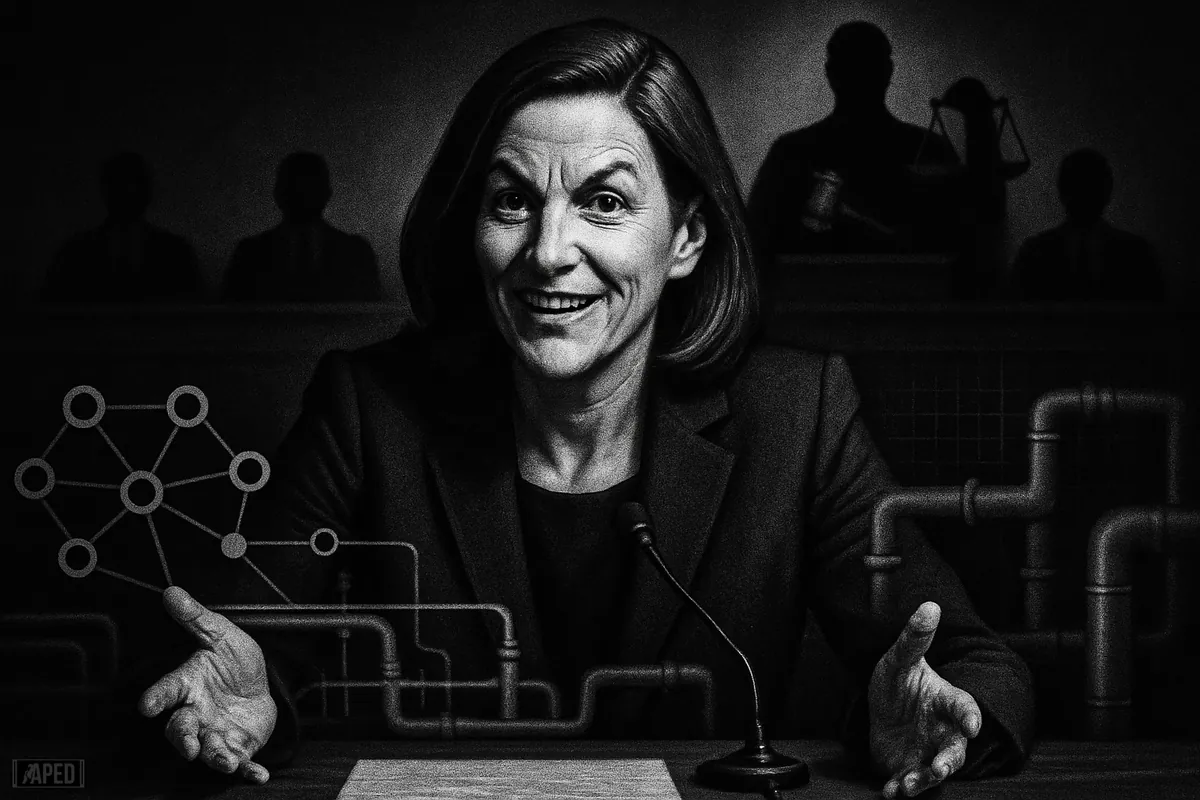
Share article
Share article
Enjoy articles without ads?
Register for free and get unlimited access to all articles.
What Mersinger told lawmakers
Why "DeFi is infrastructure" is the real regulatory battleground
This is not just semantics, it is the legal lever.
If regulators classify DeFi protocols as intermediaries, compliance expectations can snap into place quickly: registration obligations, broker or exchange style rules, and potential liability theories that pull in developers, front end operators, and governance participants. [3]
The subtext is familiar to anyone who has spent time in DeFi Discords: builders want clarity, but they also want to avoid a regime that effectively requires someone to "turn the protocol off" to comply.
What this could change for builders and users
If the SEC seriously adopts an infrastructure lens, it could reshape where enforcement and compliance pressure lands:
- Protocol developers and governance participants could argue they are publishing and maintaining software, not operating an intermediary. That does not grant immunity, but it can change the facts regulators emphasize.
- Front ends and hosted interfaces could become the primary compliance chokepoints, since they are often run by identifiable teams that can implement geo-blocking, disclosures, and controls.
- Riskier DeFi activities (high leverage, synthetic exposure, or products that resemble securities offerings) would still be on the radar, but the regulatory approach could target those behaviors instead of treating all DeFi rails as a single regulated "entity."
For users, the practical impact would show up in UX. If policy pushes obligations up to interfaces, traders might see more gating and more region-based restrictions, while underlying contracts remain live onchain. If policy instead treats the protocol itself like an intermediary, users could see broader disruption as teams preemptively sunset features to reduce legal exposure.
Notably, no new SEC rulemaking came out of this hearing. The testimony is part of an ongoing effort to influence how the SEC interprets its authority over decentralized systems, especially as Congress debates crypto market structure and regulators continue to test legal theories in enforcement actions. [5]
The takeaway: watch the definition, not the drama
What to watch next:
- Whether SEC officials publicly acknowledge a differentiated DeFi framework, even informally.
- Whether lawmakers translate this framing into market structure text that limits intermediary-style obligations to entities with clear control and custody.
- Whether enforcement focus tightens on identifiable interface operators and promoters, rather than generalized claims against protocol code.
Risk remains: a lot of DeFi still walks and quacks like finance, even if the stack is decentralized. The fight is over whether the SEC regulates the rails or the actors using the rails, and the Blockchain Association just made its preferred answer clear.
