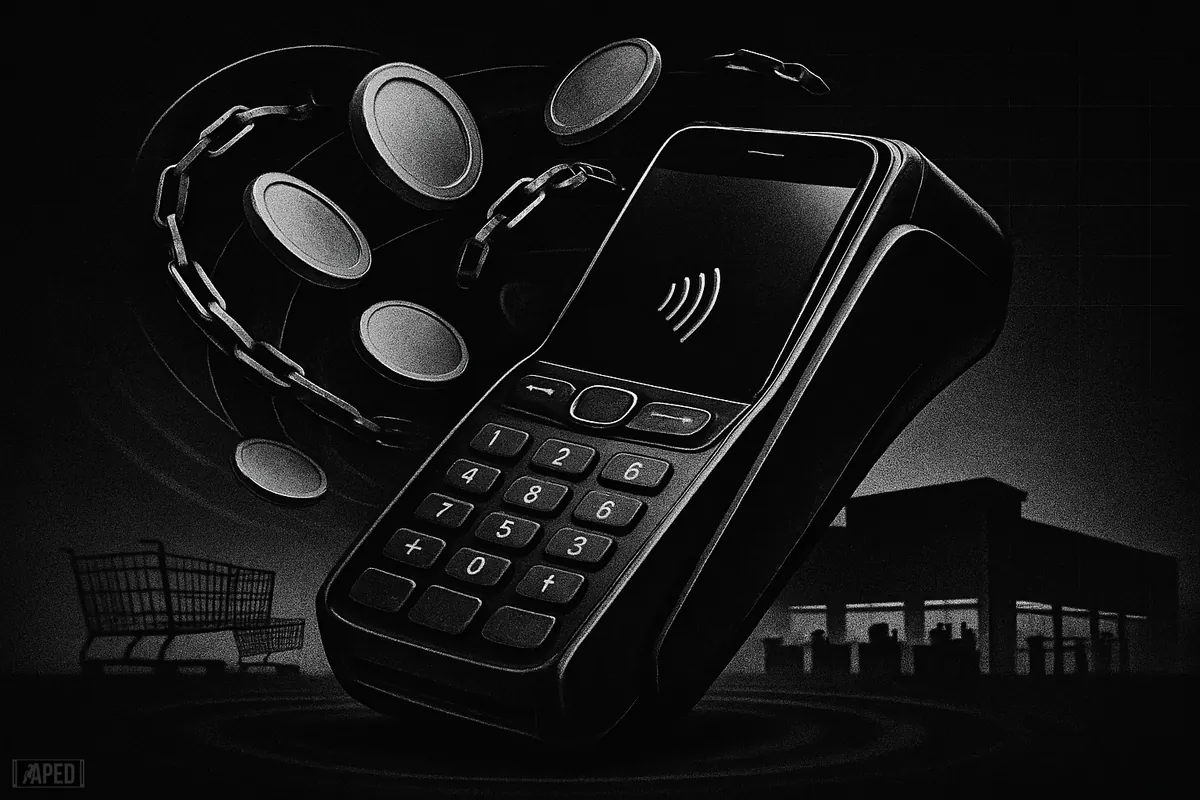
CT loves a token listing headline until it lands in a payments app your normie cousin might actually use. That is the real story here. OnePay, the Walmart-backed fintech, has expanded its crypto roster with a fresh batch of token listings, widening what users can buy and sell inside the app. [1]
The move was reported Monday and adds more depth to a crypto offering that had already included majors like Bitcoin$80,623.96 and Ethereum$2,366.37. The new lineup includes assets such as Sui$0.7565, POL (ex-MATIC)$0.09195, and Arbitrum$0.07661, alongside a broader set of tokens that brings OnePay's available list to more than a dozen assets, according to reports cited across multiple outlets. [2]
Register for free and get unlimited access to all articles.
Why this matters
This is not a flashy meme coin mint or a degen exchange listing war. It is a retail fintech product quietly making crypto more accessible to a mainstream U.S. user base. OnePay's Walmart link is what makes the update worth watching. Distribution matters, and few brands have more real-world reach than Walmart.
For crypto natives, another app adding tokens can feel routine. For consumer finance, it is a signal that digital assets are being packaged less like a specialist trade and more like another menu option inside everyday money apps. That shift tends to happen gradually, then all at once.
What OnePay added
Reports indicate OnePay expanded beyond its earlier core crypto selection by listing several additional tokens, including: [3]
Sui (SUI)
Polygon ecosystem token POL
Arbitrum (ARB)
Coverage also described the rollout as a broader expansion to 10 new assets, pushing the platform's total token count above 12. OnePay has positioned the additions as part of a wider effort to serve customers interested in a more diverse set of crypto exposure, rather than limiting the app to only the largest coins by market cap. [4]
That token mix is notable. Sui$0.7565 brings exposure to a newer layer-1 blockchain story, Arbitrum$0.07661 gives users access to Ethereum layer-2 infrastructure, and POL (ex-MATIC)$0.09195 reflects Polygon's evolving network strategy. This is a more online lineup than simply adding blue chips, but it still stays far from the deep end of the casino.
The biggest takeaway is not any single token. It is the product direction. OnePay appears to be building a crypto shelf that feels broad enough for curious users without turning the app into a full trading terminal.
That middle ground matters. Mainstream fintech users typically do not want fragmented bridges, onchain routing, or a 30-step tutorial from Discord. They want recognizable tickers, simple execution, and the sense that they can dabble without getting rugged by UX alone. OnePay's expansion fits that pattern.
There is also a brand-calibration angle here. A Walmart-backed app adding more crypto options suggests the company sees persistent demand, even after the sector's last cycle of blowups. This is less about hype and more about normalization.
What the market signal looks like
No major token-specific price shock appears tied to the OnePay listings alone, which is not surprising. These are established assets, and OnePay is not yet the kind of venue that can single-handedly send a chart vertical. Still, listings like this can matter over time because they widen access and improve discoverability for retail users who are not living on CT.
Community reaction around similar fintech rollouts tends to split into two camps. One side sees it as bullish plumbing, boring but important infrastructure that helps onboard the next wave of users. The other side shrugs because there is no immediate pump. Usually, the first camp ages better.
This is still a fairly contained product update. OnePay is expanding access, not reinventing crypto rails overnight. The article trail around the announcement did not point to staking, self-custody, or advanced onchain features being part of the launch. For now, this looks like a straightforward listing expansion inside a managed app environment. [5]
That means users should read the fine print. Available tokens do not automatically mean full transfer functionality, walletinteroperability, or the same flexibility they would get on an exchange or self-custody setup. "Crypto access" can mean very different things depending on the app.
What to watch next
The next catalyst is not whether OnePay adds one more token to the pile. It is whether the company deepens the product with transfers, recurring buys, rewards integrations, or tighter links between crypto balances and everyday payments.
Watch for three things: first, whether OnePay keeps adding tokens from major smart contract ecosystems; second, whether user-facing crypto features expand beyond basic trading; third, whether other retail finance apps follow with similar rollout strategies. If that happens, the bigger narrative becomes clear: crypto is slipping into consumer fintech one menu tab at a time.
For readers, the practical takeaway is simple. More listings are good for access, but access is not the same as ownership or utility. Before buying anything in-app, check what you can actually do with the asset, how fees work, and whether you can move it off platform. GM to adoption, but read the terms.
Your reviews help us improve the quality of both current and future articles. All reviews are public and visible to other readers. We use both ratings and comments to improve future articles and to revise any articles that do not meet our standards.
 See more like this on Google