 See more like this on Google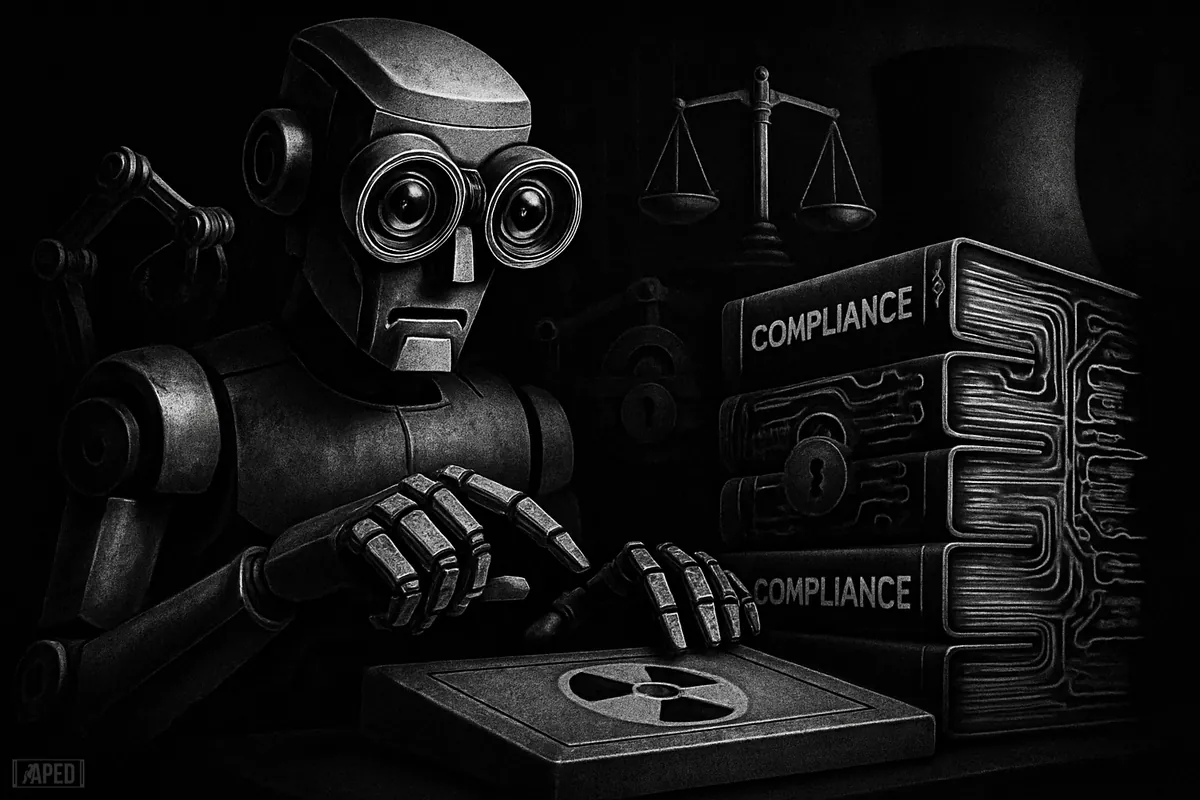
Share article
Share article
Bureaucracy is finally flirting with AI, which is either overdue or deeply unsettling, depending on how much you enjoy the phrase "nuclear regulation." The Nuclear Energy Agency, or NEA, is now examining how artificial intelligence could be used in nuclear oversight, with the obvious catch that this is one of the few sectors where "move fast and break things" is not a strategy. [1]
Enjoy articles without ads?
Register for free and get unlimited access to all articles.
NEA starts with regulation, not hype
That sounds sensible enough. Nuclear regulation runs on dense engineering records, licensing submissions, and highly formal review processes. AI systems, particularly large language models and pattern recognition tools, are being evaluated for whether they can reduce administrative drag without compromising traceability or judgment. Sure, because if any industry needs more autogenerated confidence, it is this one. The NEA appears aware of that risk. [3]
Why the NEA is moving now
AI is already creeping into the nuclear sector itself, from plant operations to maintenance support and document handling. Regulators do not want to be the last people in the room to understand how these systems work, especially if license applicants begin using AI in safety-relevant contexts. The NEA's effort is partly about keeping oversight credible before industry adoption gets ahead of the rulebook. [4]
The core questions regulators need answered
Key issues include whether an AI recommendation can be audited after the fact, how training data affects outcomes, and who is legally responsible when a tool influences a licensing or inspection decision. Regulators also have to decide whether AI should be treated as a support tool, a controlled software component, or something closer to a safety-significant system depending on use.
Why it matters
This is less about futuristic automation and more about regulatory muscle memory. If the NEA can help member countries build common principles for AI use in nuclear oversight, it could shape how one of the world's most risk-sensitive industries modernizes. If not, agencies may end up with fragmented standards, uneven scrutiny, and a lot of vendor promises doing suspiciously heavy lifting. [6]
The practical thing to watch next is whether the NEA turns this exploration into formal guidance: clear boundaries on acceptable use, validation standards, and documentation requirements. In nuclear regulation, that is what progress actually looks like, no fireworks required.