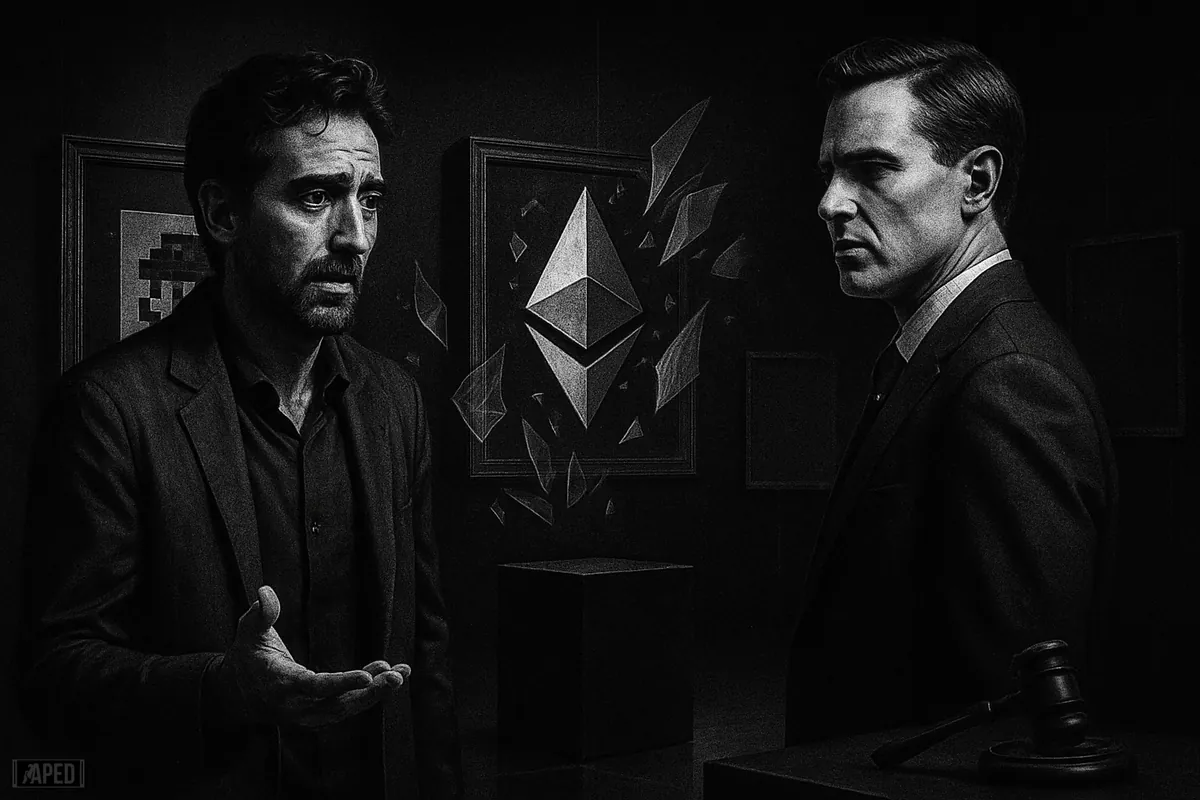
Foundation, one of the better-known Ethereum$2,369.92 NFT platforms from the 2021 art boom, has halted operations after buyer Blackdove reversed its acquisition. The immediate catalyst was not a hack, token collapse, or fresh legal blow, but a failed rescue deal that fell apart after the handover was already underway. [1]
That is a brutal look for a marketplace that once sat near the centre of crypto art culture. It also says plenty about where the NFT infrastructure trade is in 2026: thinner margins, weaker volumes, and very little room for platforms that cannot prove they still have a proper edge.
Register for free and get unlimited access to all articles.
Why Foundation stopped
Blackdove executive Marc Billings said the company had decided to pause support for Foundation and return management to founder Kayvon Tehranian for an orderly transition. Blackdove had originally planned to buy Foundation and fold tokenized art rails into its existing digital display software, letting clients browse, purchase, and showcase works inside one stack. [2]
The catch came after the deal moved quickly. Billings said full due diligence was only completed after the operational handover had begun. Once that review was done, Blackdove concluded that building its own marketplace was the more viable option than absorbing Foundation. [3]
That is a fairly stark admission. A buyer coming in as a would-be saviour looked under the bonnet and decided the cleaner route was to start from scratch.
What Blackdove is saying, and what it implies
Blackdove was careful to say the decision was not about a collapse in demand for digital art itself. Billings pointed to a 40% year-over-year increase in the company's physical digital art installations, suggesting appetite still exists in certain corners of the market. [1]
That distinction matters. The issue may be less "digital art is dead" and more that NFT-native marketplaces no longer have the easy growth story they once did. Gallery-style demand can persist while speculative marketplace activity dries up. Those are different businesses, and crypto spent a few years pretending they were the same thing.
The bigger problem for NFT platforms
Foundation's shutdown lands against a grim backdrop for the wider NFT market. Research cited around the story suggests roughly 96% of NFT collections now show no meaningful trading activity or community traction. NFT market capitalisation also reportedly fell 72% across 2025. [4]
Those figures are ugly, even allowing for the usual fuzziness in NFT data. They point to an ecosystem that has gone from frothy and founder-friendly to selective and unforgiving. Platforms built for peak mania are now being judged on actual retention, real collector demand, and whether artists still see them as worth listing on.
That is where the sector has looked a bit dodgy for a while. During the boom, volume often masked weak fundamentals. Once speculative flow left, a lot of platforms were exposed as expensive middle layers without enough differentiated liquidity or audience.
Foundation was not just another random NFT front end. It had brand recognition, artist cachet, and a place in Ethereum$2,369.92's early creator economy. If a platform with that profile cannot secure a durable second act through acquisition, smaller venues should probably take note. [5]
The episode also highlights a simple lesson for crypto M&A: speed can help close a deal, but messy diligence can kill it just as fast. If a buyer only finishes the hard review after stepping in, the result can be operational limbo, confused users, and a public loss of confidence.
The bottom line
Foundation's halt looks less like a one-off mishap and more like a stress signal from the NFT platform layer. Demand for digital art may still exist, but infrastructure built for 2021 speculation is still being repriced in 2026. The invalidation to this bearish read is straightforward: if displaced artists and collectors quickly re-form on rival venues and meaningful volume returns, this becomes a platform failure, not a market verdict. For now, though, it reads like both.
Your reviews help us improve the quality of both current and future articles. All reviews are public and visible to other readers. We use both ratings and comments to improve future articles and to revise any articles that do not meet our standards.
 See more like this on Google