See more like this on Google
Share article
Share article
Crypto's mood on October 6 was less about price fireworks and more about narrative risk. The headline trade was simple: political scrutiny keeps expanding, and this time it touched creator finance. The level to watch is not a token chart, it is the tolerance regulators have for fintech products that blur the line between teen banking, speculation, and crypto rails.
Enjoy articles without ads?
Register for free and get unlimited access to all articles.
Regulation and Consumer Risk
MrBeast's reported Step deal draws Warren warning
Sen. Elizabeth Warren opened the day's biggest crypto-adjacent story just after midnight UTC, warning that MrBeast's reported $200 million deal tied to teen banking app Step could expose young users to crypto risk. [1] The immediate issue was not a token launch or exchange listing. It was distribution. When a creator with massive reach gets linked to a financial product, lawmakers increasingly see a consumer-protection question before they see a growth story.
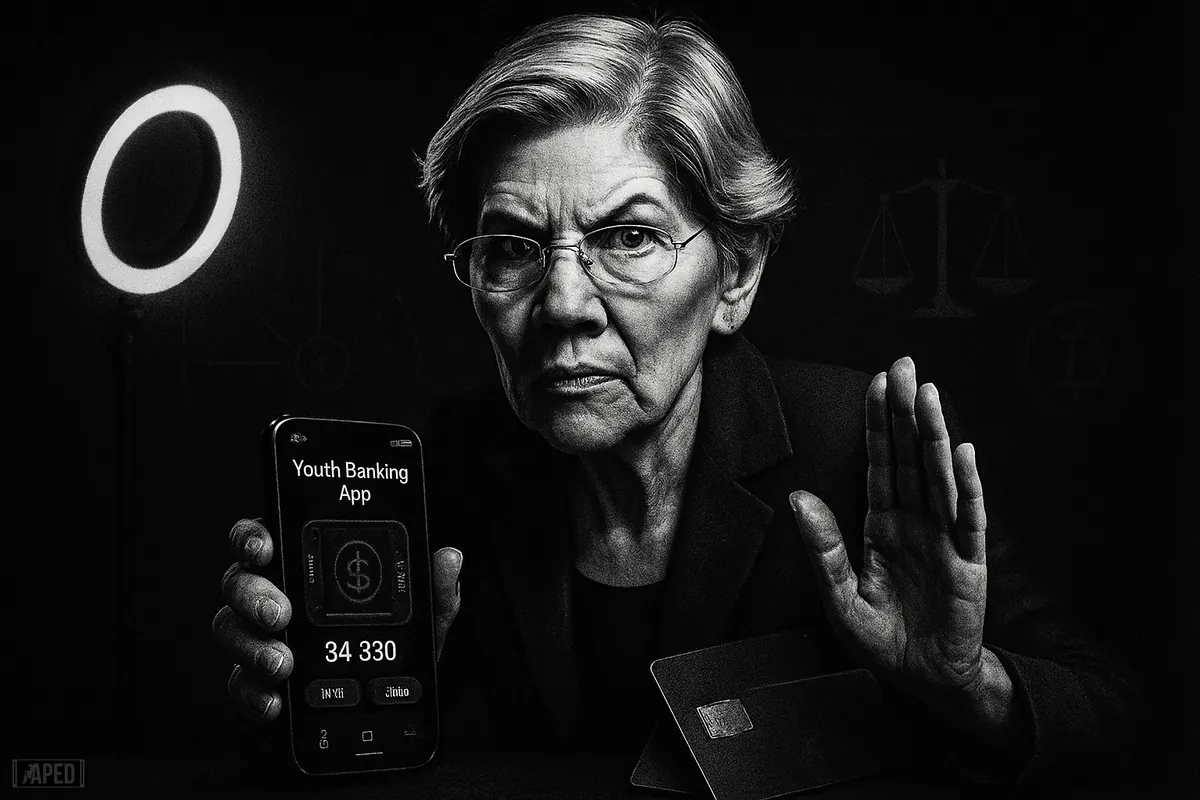
Warren's framing matters because it pushes the debate beyond standard anti-crypto talking points. The concern here is targeted exposure to teens, especially if banking features, rewards mechanics, and Crypto access start to sit too close together inside one consumer app. That is a tougher headline for the industry to shrug off. "Adults choosing risk" is one argument. "Teens being funneled into it through influencer distribution" is a very different political setup.
The reported Step angle also lands at a sensitive time for fintech. Consumer apps have spent years trying to layer investing, rewards, payments, and brand partnerships into one sticky interface. Regulators have spent the same years getting more skeptical of anything that can confuse users about where banking ends and speculation begins. If Crypto is even adjacent to that stack, scrutiny rises fast. [2]
For crypto markets, this was not a direct price catalyst, but it added to a familiar overhang: mainstream adoption stories are only bullish until Washington notices the customer acquisition strategy. Creator-led distribution has always looked efficient on paper. The risk is that it can also look like a regulator's dream case study in conflicted marketing.
Why the story matters beyond one app
The practical takeaway is broader than MrBeast or Step. Any company trying to onboard the next wave of retail through lifestyle brands, influencers, or youth-oriented UX should assume tougher questions are coming. Expect more pressure around disclosures, age-gating, suitability checks, and whether financial education inside these products is real or just decorative. [3]
That has a second-order effect on Crypto venture narratives. Consumer crypto has long pitched itself on simplicity and reach, but reach cuts both ways. The larger the audience, the harder it becomes to argue that experimental financial features can be treated like harmless product iteration. If lawmakers sense that user growth is being driven by celebrity trust rather than informed consent, the optics get ugly fast.
Today's Bottom Line
October 6 was a light news day, but not an irrelevant one. The signal was political, not technical. Warren's warning shows that crypto scrutiny keeps moving outward from tokens and exchanges into the broader attention economy that feeds adoption. That includes banking apps, creator partnerships, and any funnel that might put younger users near higher-risk products. [1]
For traders, there was no clean "send it" catalyst here. For operators, there was a loud reminder that distribution risk is now regulatory risk. The watchlist is straightforward: creator-finance deals, youth-focused fintech, and any product where crypto exposure is one feature tab away from a mainstream consumer experience. That is where the next headline fight is likely to start.