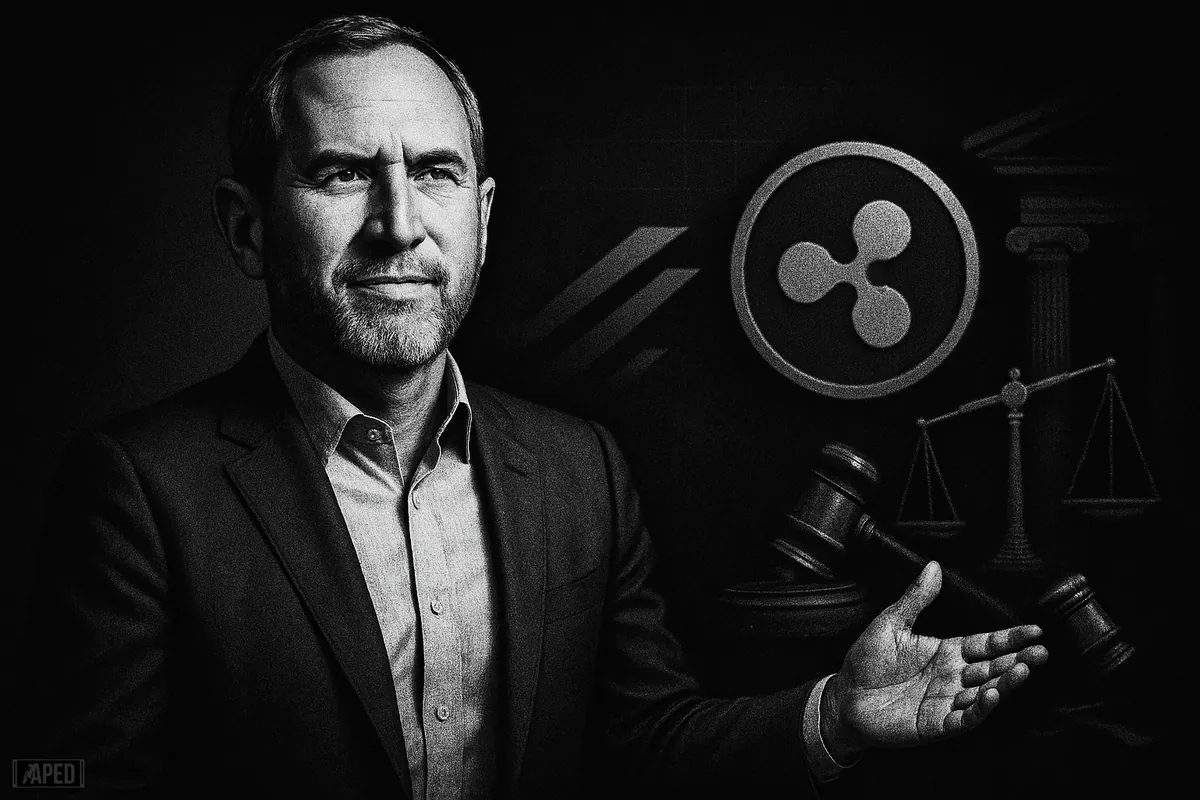
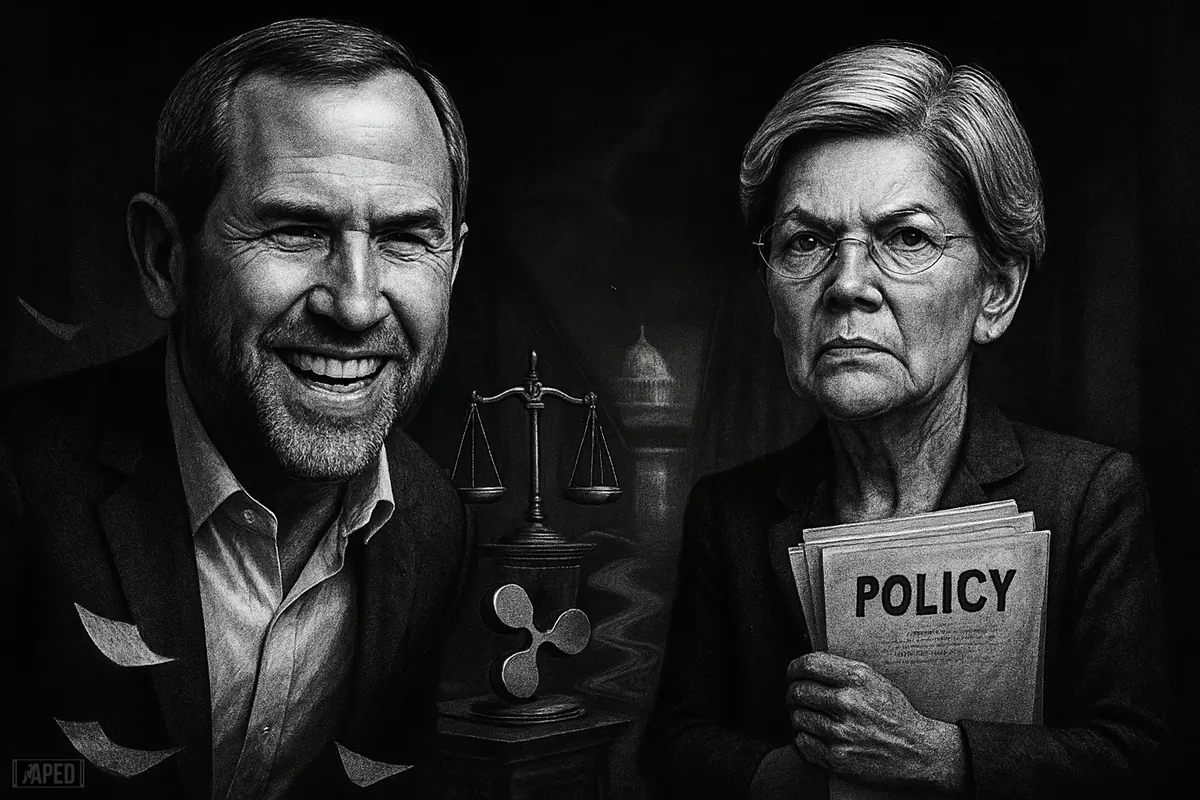
Crypto spent much of June 9 doing its favorite trick: declaring victory before the cleanup is finished. Still, the tone was notably better than the siege mentality that defined so much of the last regulatory cycle. The day's clearest signal came from Ripple CEO Brad Garlinghouse, who argued that the industry's so-called anti-crypto opposition has been beaten back, not by slogans, but by court losses and a more pragmatic mood in Washington. [1]
Enjoy articles without ads?
Register for free and get unlimited access to all articles.
Regulation and political mood
Ripple CEO says the anti-crypto camp lost ground
Garlinghouse said the industry's critics were effectively defeated as US policy discussions moved away from broad hostility and toward rule-writing. His case rests on two pillars. First, several court outcomes have undercut the strongest versions of the enforcement-first approach. Second, voter sentiment and political incentives now appear to favor clearer rules over open-ended crackdowns. [2]
That does not mean Washington suddenly turned into a crypto industry fan club. It means the center of gravity has shifted. Lawmakers and candidates increasingly seem to accept that digital assets are not going away, which is usually the point where politics stops pretending prohibition is a strategy and starts arguing over whose rules win. Progress, sure, but of the very bureaucratic kind.
Garlinghouse's framing also reflects a broader industry effort to move from defensive legal battles to legislative bargaining. That matters because markets tend to price uncertainty more harshly than bad news. A strict rulebook can still be bullish relative to a vague threat. For firms like Ripple, and for assets such as XRP$1.518, the real prize is not rhetorical victory. It is a workable compliance map for issuance, trading, custody, and cross-border payments. [3]
The subtext is just as important. Crypto executives now sound less like insurgents and more like regulated incumbents in waiting. That is a material tone change from the last two years, when most public commentary centered on surviving agency action. If June 9 had a single theme, it was this: the industry believes it has outlasted the phase where skepticism alone could function as policy.
Today's bottom line
June 9 was a light news day, but the message was still useful. Sentiment remains constructive when the conversation shifts from existential threats to legislative detail. Garlinghouse's comments captured that transition cleanly. The anti-crypto army line is obviously political branding, but the underlying point is harder to dismiss: courts have imposed limits, voters matter, and Washington is moving toward writing rules instead of just wielding warnings. [4]
What matters next is whether that rhetorical shift produces actual statutory language. Until then, crypto's claimed regulatory victory is best treated like any other market narrative: interesting, directionally relevant, and not yet settled.
Your reviews help us improve the quality of both current and future articles. All reviews are public and visible to other readers. We use both ratings and comments to improve future articles and to revise any articles that do not meet our standards.
 See more like this on Google