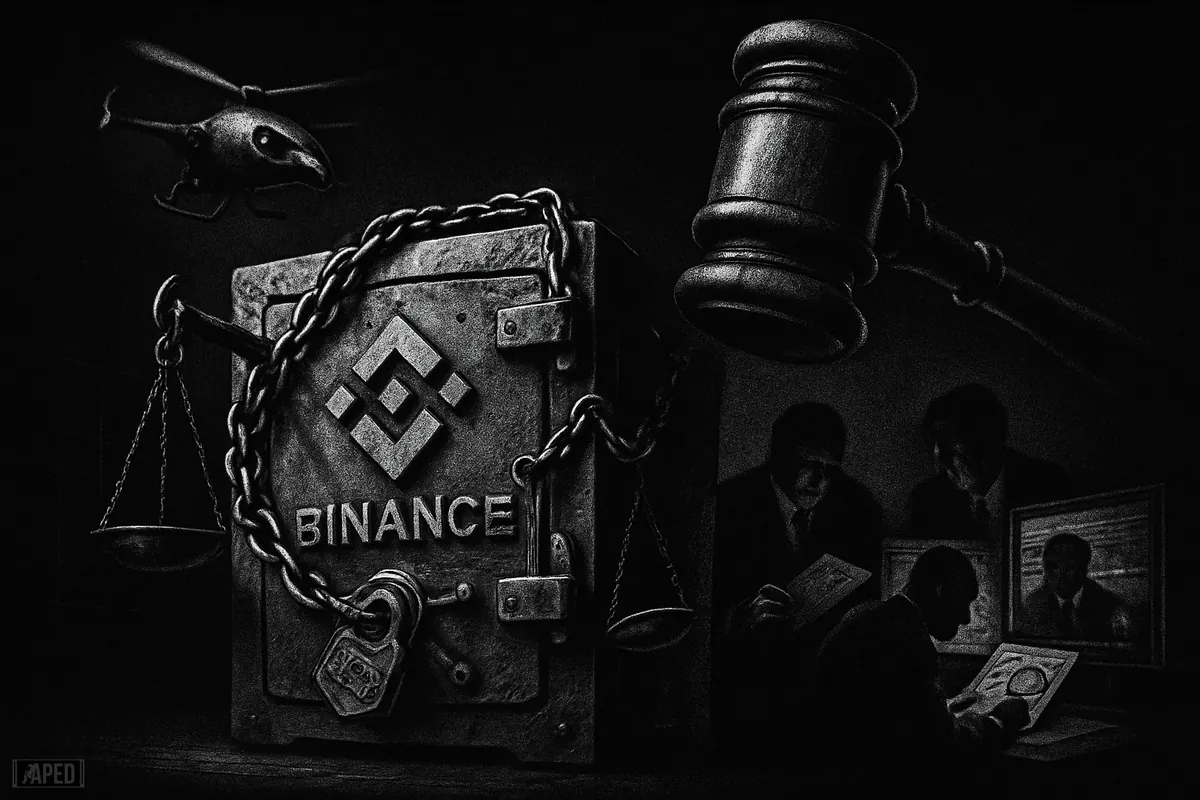
Binance is back under the microscope, again. This time the heat is about Iran, sanctions controls, and whether US regulators are actually following through after the exchange's blockbuster 2023 settlement. [1]
Fresh letters have reportedly been sent to the Department of Justice and the Treasury Department's Financial Crimes Enforcement Network, asking for updates on Binance's compliance monitorship and any review of links tied to Iranian activity. The message is simple: the fine was huge, the guilty plea was louder, but lawmakers want to know if the cleanup is real or just corporate PR with better fonts. [2]
Enjoy articles without ads?
Register for free and get unlimited access to all articles.
Why the scrutiny is back
The new push appears tied to concerns that Binance may have remained exposed to users or flows connected to Iran, even after years of public pressure around sanctions compliance. That matters because Binance already admitted serious failures in anti money laundering and sanctions controls as part of its US settlement. [3]
That 2023 deal was not small potatoes. Binance agreed to pay more than $4 billion, founder Changpeng Zhao stepped down as CEO, and the company accepted oversight obligations designed to force tighter compliance. A monitorship was meant to be part of the cure. The latest letters suggest some policymakers are not convinced the medicine is working. [4]
What lawmakers seem to want
At the center of the questions is whether DOJ and FinCEN have identified additional violations, what the independent monitors have found, and whether Binance's systems are now capable of blocking prohibited activity in practice, not just in policy decks. [5]
That distinction matters. Crypto compliance is easy to promise, harder to execute, and even harder on a global exchange with legacy gaps, fragmented entities, and a user base that historically liked frictionless access a bit too much. "Trust us, bro" is not a sanctions program.
What this means for Binance
Fresh scrutiny does not automatically mean fresh charges. For now, this looks more like pressure for disclosure and enforcement updates than confirmation of new wrongdoing. Still, the political risk is real.
Binance has spent the past two years trying to rebrand from offshore chaos machine to regulated adult in the room. New Iran questions threaten that reset because they reopen the exact issue that made US authorities come down so hard in the first place: weak controls around who could access the platform and from where.
The real risk is not just legal
There is also a business angle. Compliance overhang can affect banking relationships, licensing progress, and institutional comfort. Exchanges do not run on vibes alone. They run on payment rails, counterparties, and regulators deciding not to make your life miserable.
If monitors or agencies flag serious gaps, Binance could face more restrictions, tougher remediation demands, or renewed reputational damage in markets where it is trying to stabilize. Even absent new penalties, another cycle of sanctions headlines is bad for user trust. [6]
Why the industry should care
This is bigger than Binance. The case is a live test of whether post settlement crypto oversight has teeth. Regulators have made a lot of noise about bringing exchanges into line. If lawmakers are now asking whether agencies are enforcing monitorships aggressively, that tells you the market is entering the less fun phase: accountability after the headline fine.
Other global platforms should read the room. Historical exposure, weak geofencing, and sloppy KYC are not old news if investigators think the risks persisted.
The Bottom Line
Binance is not facing a proven new Iran case yet, but the pressure is back and the questions are specific. That alone matters. If the monitorship is producing clean results, Binance gets a shot at moving on. If cracks show, expect this story to get ugly fast. If compliance holds, watch for quieter normalization. If it breaks, expect regulators to come farming for more than headlines.
Your reviews help us improve the quality of both current and future articles. All reviews are public and visible to other readers. We use both ratings and comments to improve future articles and to revise any articles that do not meet our standards.
 See more like this on Google