See more like this on Google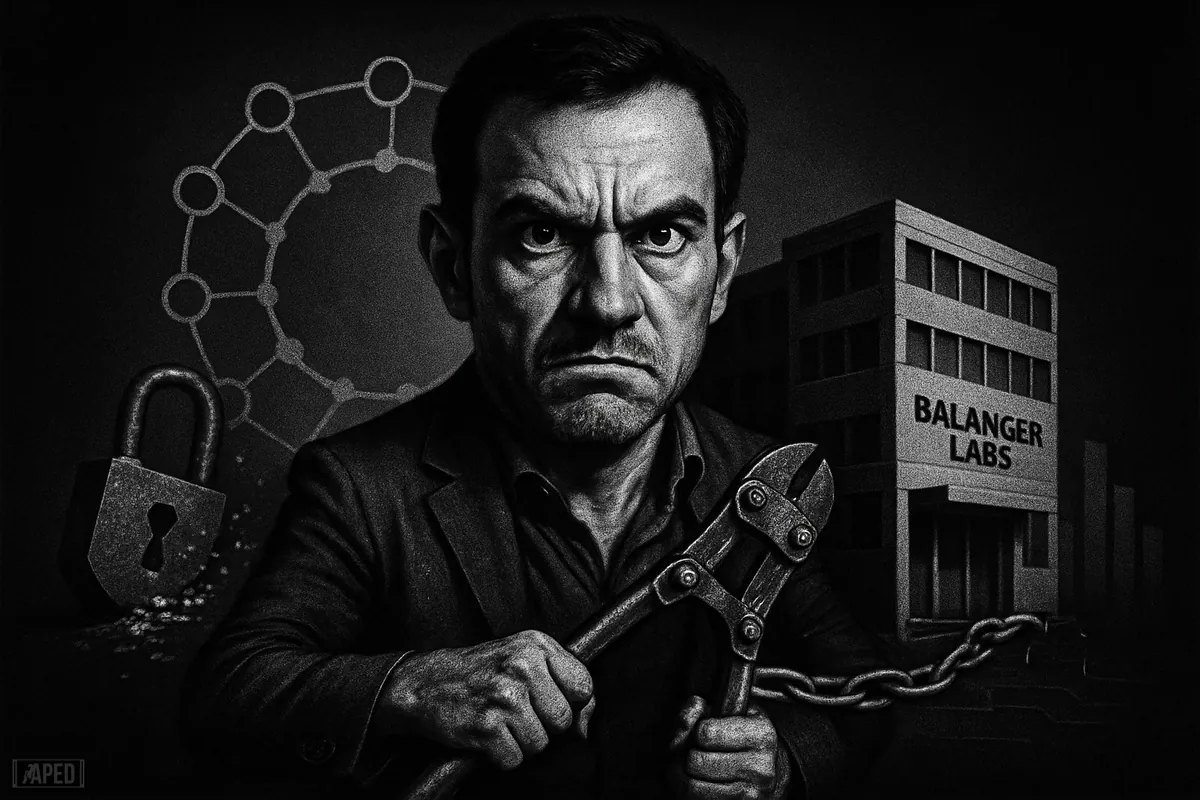
Share article
Share article
Enjoy articles without ads?
Register for free and get unlimited access to all articles.
Balancer Labs is closing, the protocol is not
That structure matters because it changes who can sign contracts, hire vendors, and defend claims. It also changes how quickly the project can execute upgrades and coordinate incident response. For users, the product still exists, but the "company behind it" effectively disappears.
The exploit's real damage shows up in the balance sheet and the cap table
Balancer's current $157 million TVL number frames the situation clearly. This is no longer a DEX fighting for top tier mindshare. It is a protocol trying to preserve core functionality while shrinking overhead to match reduced economic activity.
DAO plan: zero emissions, fee changes, and a BAL buyback
Balancer's DAO is positioning a restructuring that aims to make the protocol sustainable without the old playbook of subsidized growth:
- Targeting zero emissions: This reads as a hard pivot away from "print tokens to attract liquidity." If emissions drop to zero, liquidity incentives likely become more selective, and some pools may lose their yield premium.
- Fee restructuring: Fees are the core lever a DEX can adjust to rebuild revenue. Any change here will be judged by whether it improves protocol cash flow without pushing volume elsewhere.
- A Balancer$0.151 buyback: The framing is notable, a "fair exit" for holders rather than a growth promise. Buybacks can support price mechanically, but only if they are funded by durable fees and not by one off treasury depletion.
What this means for users: LPs, traders, and BAL holders
Liquidity providers (LPs) should treat this as a regime shift. If emissions truly go to zero, LP economics become more sensitive to organic volume and fee rate decisions. Expect LPs to rotate toward pools with proven flow, and away from long tail assets that relied on rewards to compete.
Traders and aggregators will care about one thing: depth. With TVL at $157 million, the path back to tight spreads is not guaranteed. If liquidity thins further, routing will naturally move to deeper venues.
Risk check: what could invalidate the "lean recovery" thesis
This is not a clean turnaround yet. A few red flags to track:
- Execution risk inside the DAO: "Fee restructuring" and "buyback" sound straightforward until stakeholders argue over parameters and timelines.
- Liquidity reflexivity: Lower TVL can lead to worse execution, which reduces volume, which reduces fees, which makes buybacks harder.
- Residual liabilities: Even if the corporate entity closes, disputes and claims can still create uncertainty around contributors, treasury decisions, or future development capacity.
The bullish invalidation is simple: if TVL keeps grinding lower from $157 million and fee revenue cannot replace emissions, the protocol can remain online but economically irrelevant.
Watchlist takeaway
- TVL at $157 million: stabilization here is the first sign the protocol can operate post Labs.
- DAO specifics on zero emissions: watch for dates, exceptions, and how targeted incentives (if any) are handled.
- Fee schedule changes: any adjustment that improves revenue without killing flow is the real catalyst.
- BAL buyback details: funding source, cadence, and governance controls will determine whether it is support or just optics.
Balancer just picked a path: shut the company, keep the protocol. The next trade is whether the DAO can turn that into sustainable fees and credible value return, or whether this becomes a slow bleed with fewer and fewer reasons for liquidity to stay.