 See more like this on Google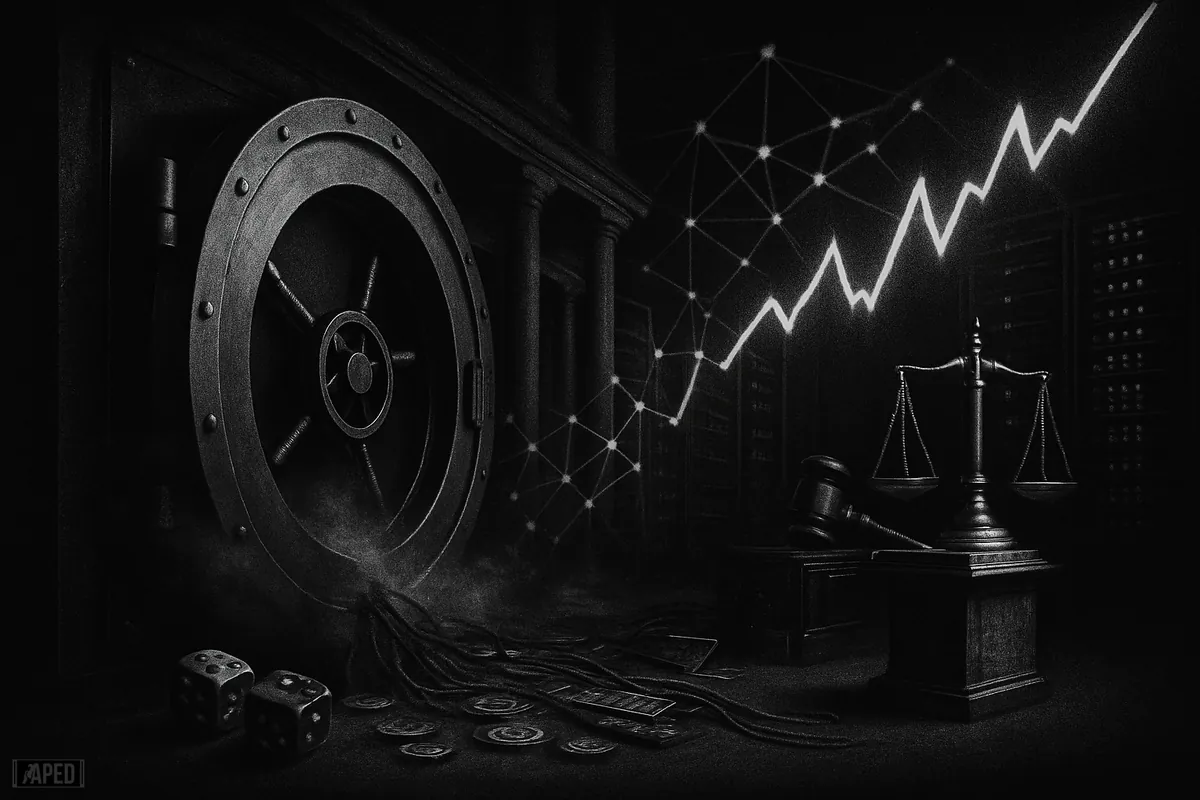
Share article
Share article
Crypto in 2026 feels less like a casino floor and more like a backstage pass. CT (Crypto Twitter) is still memeing every candle, but the real plot this year is quieter: crypto is getting wired into normal finance and commerce while the charts keep doing what they do best, violently disagreeing with everyone's predictions. [1]
Enjoy articles without ads?
Register for free and get unlimited access to all articles.
Volatility stays the main character, even with "maturity"
Institutions are not "testing" anymore, they are building rails
The more consequential 2026 trend is institutional posture. The narrative has moved past "pilot programs" and into operational decisions: hiring specialized talent, upgrading risk controls, and treating crypto exposure as something that can sit inside broader capital markets strategies. [4]
Three areas keep popping up in institutional roadmaps:
- Custody: Less debate about whether custody is needed, more competition around how it is done, including insurance, segregation, reporting, and auditability.
- Tokenization: Not as a buzzword, but as a workflow improvement for certain assets, where programmability and shorter settlement cycles matter.
- On-chain settlement: Framed as efficiency infrastructure rather than a speculative bet, especially when paired with clearer governance and accounting frameworks.
Policy remains the friction point. Some regulators still approach crypto like a problem to be contained, not a system to integrate. Yet the institutional response is pragmatic: if on-chain transactions cut costs or shorten settlement risk, it is hard for large players to ignore, even when the messaging from policymakers is mixed.
"Real world integration" is happening, just not always where retail is looking
The loudest crypto moments still happen at the surface layer: price, narratives, influencer takes. The deeper integration tends to be less memeable, and therefore easier to miss.
AI and crypto are starting to trade like cousins
Another theme gaining traction is the market relationship between AI and crypto. The source view is that AI and crypto trades may increasingly "replicate" each other, tracking similar sentiment drivers: geopolitical shocks, inflation prints, and broader risk-on versus risk-off rotations. [5]
It is not that the technologies are identical. It is that capital often treats them as adjacent expressions of the same thing: "future tech exposure." When liquidity is abundant, both can rip. When liquidity tightens, both can get clipped, regardless of whether the underlying builders are shipping.
What to watch next (and what can break)
A practical 2026 framework is to separate catalysts from vibes:
Watch these catalysts
- Institutional infrastructure milestones: custody expansions, audited tokenization platforms, and real on-chain settlement volume (not just announcements).
- Policy tone shifts: guidance that clarifies what institutions can do safely tends to matter more than day-to-day political noise.
- Correlation regimes: whether crypto keeps trading in sync with AI and broader risk assets, or decouples around crypto-native triggers.
Respect these risks
- Volatility as a feature: broader adoption has not "fixed" drawdowns. Position sizing still matters more than narratives.
- Narrative overhang: meme cycles can pull liquidity into fragile trades quickly, then evaporate it just as fast.
- Infrastructure stress: as more value moves "behind the scenes," operational failures (custody incidents, settlement outages, governance breaks) become higher-impact events.