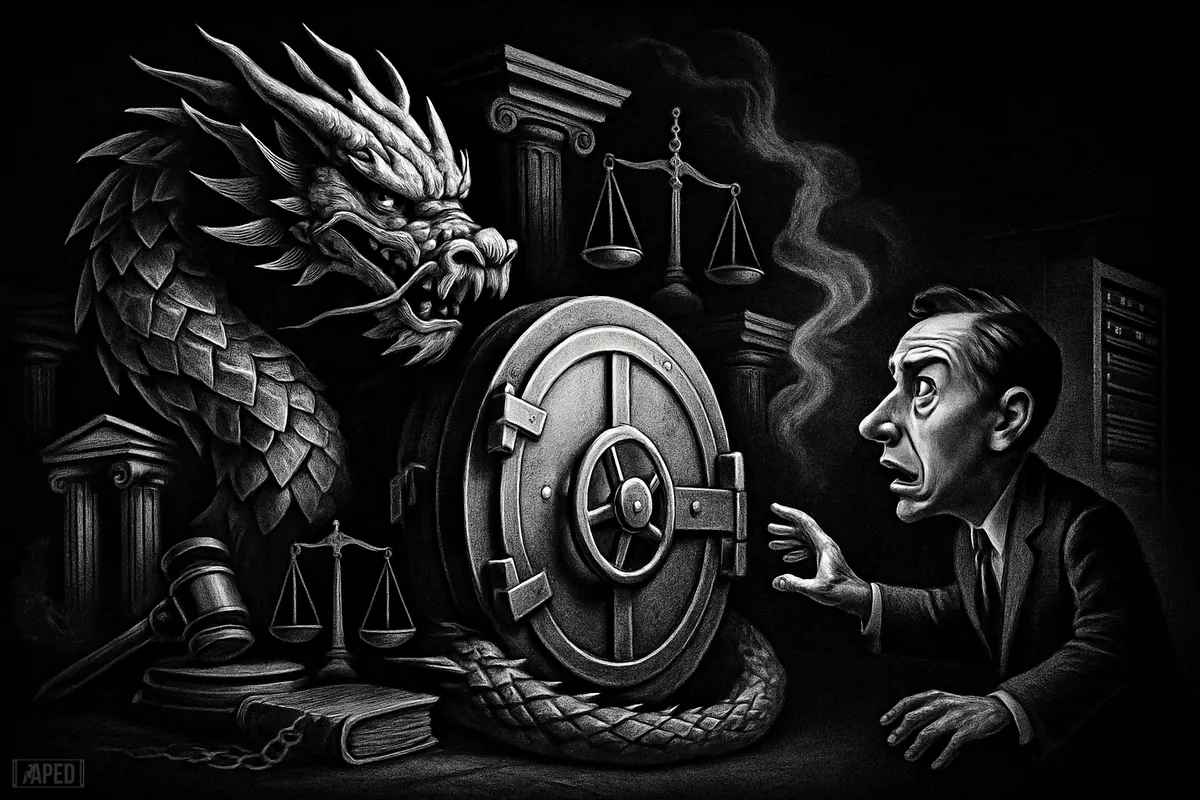
Vietnam is testing a new bridge between crypto wealth and old-school credit. A draft proposal would let small and medium-sized enterprises use digital assets as collateral for bank loans, a move that could unlock fresh liquidity for firms that have bags on-chain but limited access to traditional financing. [1]
That matters because the idea is not a retail trading story. It is a credit-market story, and for Vietnam's SMEs, credit access is often the bottleneck.
Enjoy articles without ads?
Register for free and get unlimited access to all articles.
What Vietnam is proposing
Vietnamese policymakers are weighing a framework that would allow SMEs to pledge digital assets, including crypto and other tokenized holdings, when applying for loans from banks. The proposal is aimed at expanding collateral options for smaller businesses that may not hold enough conventional assets, such as real estate or machinery, to satisfy lenders. [2]
The logic is straightforward. A growing number of companies and founders in emerging digital sectors hold meaningful value in wallets, token treasuries, or other digitally native assets. Under current lending norms, those holdings usually do not count for much at the bank counter. If regulators create a recognized legal path, that dormant balance-sheet value could become borrowable.
This is still at the proposal stage, not a live nationwide lending product. That distinction matters. Draft language can move markets on sentiment, but actual credit origination depends on how banks are told to value collateral, custody it, haircut it, and liquidate it if a borrower defaults. [3]
Why SMEs are the focus
SMEs make up the part of the economy that most often struggles to secure affordable financing, especially when lending standards tighten. Traditional collateral frameworks tend to favor hard assets and long operating histories. Younger firms, tech-led businesses, and online-native operators often come up short, even if they are solvent on paper.
Allowing digital assets into the collateral stack could widen the funnel for borrowers that already operate in crypto-adjacent markets, gaming, software, cross-border commerce, or digital services. For those firms, wallet balances may be more relevant than land titles.
There is also a policy angle here. Vietnam has spent years trying to balance innovation with financial control. A regulated path for crypto-backed business loans would signal that authorities want to capture economic activity linked to digital assets rather than force it fully offshore or into informal channels.
The hard part is not the headline, it is the risk model
Banks do not care that an asset is trendy. They care whether they can price it, seize it, and sell it without blowing up their own books. That is where this proposal gets real.
Volatility is the first issue. Crypto collateral can move 10 percent in a day and much more in thinner names. Any serious framework would likely require aggressive loan-to-value ratios, frequent mark-to-market checks, and margin-call mechanics. A bank is unlikely to lend $1 against $1 of crypto. It would probably lend far less, especially on assets outside the most liquid majors like Bitcoin$80,326.14 and Ethereum$2,327.25.
Custody is the second issue. If a borrower pledges digital assets, who holds the keys? Banks will need licensed custodians, internal controls, or approved third-party arrangements. Without that plumbing, collateral is just a promise on paper.
Legal enforceability is the third issue. If a loan goes bad, the lender needs a clean right to take possession and liquidate the asset. That requires more than crypto-friendly rhetoric. It requires recognized property rights, bankruptcy treatment, and clear procedures for execution. [4]
Which assets would likely qualify
The proposal, as reported, opens the door to digital assets in broad terms, but any operational rollout would almost certainly sort assets by liquidity and risk. Banks tend to prefer collateral they can exit quickly with minimal slippage. That points to a short list: major cryptocurrencies like Bitcoin$80,326.14 and Ethereum, possibly stablecoins, and potentially tokenized assets with verified issuance and transparent ownership records.
Speculative microcaps, illiquid governance tokens, or assets with fragmented market depth would be a tougher sell. Even if technically allowed under broad language, banks are unlikely to touch collateral they cannot confidently bid out in stressed conditions.
This is where market structure matters more than headlines. A token's market cap is less important than its daily spotvolume, exchange quality, custody support, and legal status.
What this could mean for Vietnam's crypto market
If the framework advances, it could legitimize crypto holdings in a way that matters more than exchange marketing or Web3 grants. Once an asset can support bank credit, it starts to behave less like a speculative side pocket and more like a recognized financial instrument.
That could pull more businesses toward formal reporting of digital holdings. It could also create demand for compliant custody, audit trails, and treasury management services inside Vietnam. The winners would not just be token holders. Banks, custodians, compliance providers, and valuation firms would all get a new lane.
Still, there is a flip side. Crypto-backed lending can amplify stress when prices fall fast. If banks ever scale this product without strict haircuts and liquidation rules, they import market volatility directly into business credit.
Why it matters
Vietnam's proposal is notable because it treats digital assets as potential economic collateral, not just speculative instruments or regulatory headaches. For SMEs, that could mean another shot at working capital. For banks, it opens a new asset class with very specific operational and legal risks. [5]
The bullish read is simple: more collateral options, more credit access, more formal integration of crypto into the economy. The skeptical read is just as important: none of this works unless valuation, custody, and enforcement are tight from day one.
That is the key level for this story. If policymakers deliver a narrow, liquid-asset-only framework with conservative haircuts, this could become a credible pilot for crypto-finance integration. If the rules stay vague, or banks are asked to underwrite illiquid bags, the thesis breaks fast.
Your reviews help us improve the quality of both current and future articles. All reviews are public and visible to other readers. We use both ratings and comments to improve future articles and to revise any articles that do not meet our standards.
 See more like this on Google