 See more like this on Google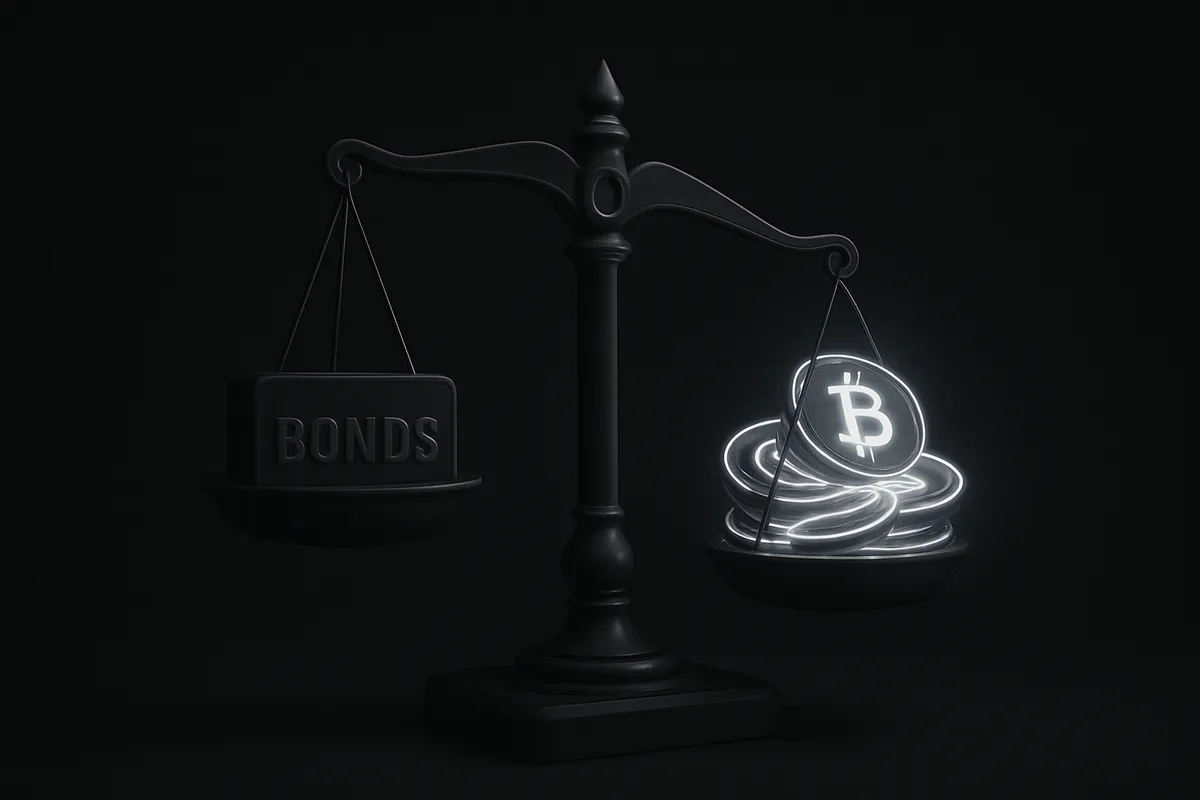
Share article
Share article
Enjoy articles without ads?
Register for free and get unlimited access to all articles.
The macro setup: the 60/40 isn't broken, it's just less generous
Endowments have lived through a decade where "own equities, clip duration, add alternatives" was enough. Now the math looks harder. [2]
Forward-looking expectations for both stocks and bonds have been pressured by a few realities that committees understand in plain English:
- Equities: valuations have expanded, margins are already high, and concentration risk is real. Even if the long-term story is fine, the next few years can look choppy.
- Bonds: yields are better than the zero-rate era, but bonds are no longer a guaranteed shock absorber if inflation stays sticky or if fiscal risk keeps term premium elevated.
- Private markets: still core for many endowments, but crowded trades and slower exits can compress returns and lock up capital longer than planned.
Why endowments are revisiting crypto, even after the scars
Three drivers are showing up in more committee discussions:
1) A "harder to hit" return target
The subtle point: committees are not looking to replace equities. They are looking for a measured satellite position that can improve long-run expected outcomes.
2) Cleaner access rails and better wrappers
That does not remove risk, but it changes the operational conversation from "Can we even touch this?" to "What sizing and structure are acceptable?"
3) The "AI plus digital assets" overlap
What a crypto allocation looks like in endowment language
Endowments rarely go from zero to full send. The more common framing is staged:
- Phase 1 (toe in the water): small allocation to Bitcoin, sometimes paired with Ethereum$2,362.20, designed to be survivable through a brutal drawdown.
- Phase 2 (diversified implementation): a mix of liquid majors plus a carefully selected manager sleeve (market neutral, macro, or venture style exposure).
- Phase 3 (policy portfolio): formalizing digital assets as a long-term bucket with rebalancing rules, risk limits, and explicit governance.
The risk section committees actually care about
Volatility and drawdowns
Bitcoin can be up 5% in a day and down 20% in a week. If an endowment cannot tolerate that without forced selling, the position sizing is wrong. The only acceptable crypto allocation is one that can be held through ugly periods.
Governance and reputational risk
Liquidity under stress
Regulatory uncertainty
What would invalidate the "endowments allocate" narrative?
This story is not a one-way door. A few things could slow or reverse momentum:
- Bitcoin losing the mid-$60K zone and failing to reclaim it, turning "institutional adoption" into "caught a local top" in the committee's mind.
- A fresh custody or counterparty blowup that reminds allocators why they stayed away.
- A risk-off macro shock where equities dump, credit spreads widen, and crypto trades like a high-beta levered proxy.
On the flip side, catalysts that could accelerate allocations include more robust institutional products, clearer regulatory guidance, and sustained price stability relative to prior cycles.
Market-first takeaway: watch the flows, not the headlines
The opportunity is real, but so is the trap: committees that treat crypto like a momentum trade risk becoming exit liquidity for a volatility spike.
Watchlist
- Bitcoin: mid-$60K holding behavior, a clean hold supports the "institutional comfort" narrative.
- Ethereum: whether it can sustain relative strength after a 7% pop, that matters for "Bitcoin-only vs. Bitcoin plus Ethereum" decisions.
- Alt beta (Solana$76.56, Avalanche$9.279, Cardano$0.1782): great for sentiment, but most endowments will read this as a warning sign if it looks like froth.
- Implementation signals: announcements around custody, fund launches, and policy approvals matter more than social buzz.
Endowments do not need crypto to be perfect, they need it to be allocatable. If traditional returns keep thinning and Bitcoin keeps behaving like a maturing macro asset, the "small allocation" becomes the path of least resistance.