 See more like this on Google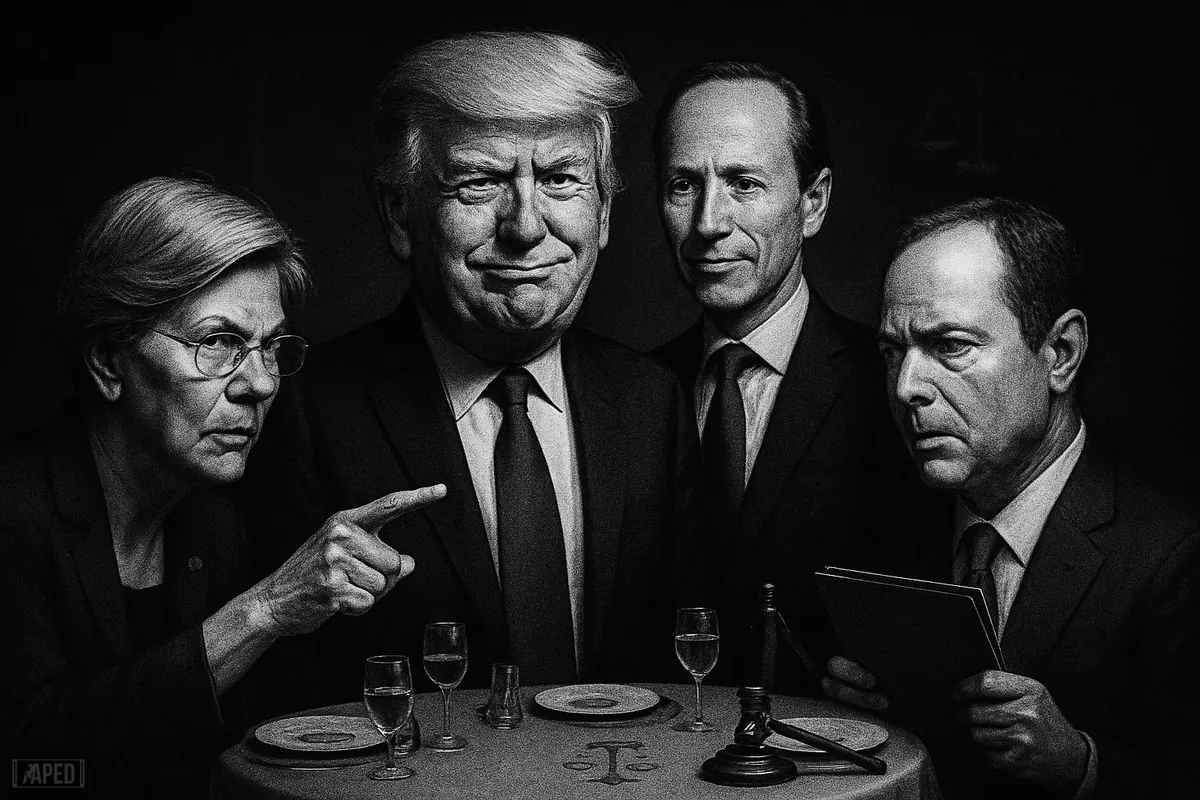
Share article
Share article
Enjoy articles without ads?
Register for free and get unlimited access to all articles.
Senators question the Trump memecoin event
That matters because the event appears to be marketed around exclusivity and proximity. If access to a sitting president, or even the suggestion of access, is being used to drive token demand, lawmakers see a potential ethics and pay-to-play issue. In plain English: if the sales funnel is "ape into the coin, maybe meet Trump," expect scrutiny. [2]
The scheduling conflict adds heat
The senators reportedly highlighted a practical problem that makes the offer look even shakier. Trump is also expected to attend the White House Correspondents' Association Dinner on the same day as the memecoin-linked luncheon. [3]
That raises an awkward question: is the attendance pitch real, tentative, or just useful marketing copy designed to juice fees and token activity?
If the president cannot realistically show up, lawmakers want to know whether organizers are effectively dangling presidential access to support the token ecosystem anyway. That distinction matters. A missed appearance is one thing. Selling the idea of access that was never realistic is another.
Why this is getting attention now
That is why Democrats are not treating this like just another celebrity coin promo. They are framing it as a possible test case for whether political access can be packaged into crypto marketing without crossing legal or ethical lines.
What lawmakers appear to be probing
Based on the reporting, the questions go beyond attendance logistics.
Key pressure points
Was access used as a sales tool?
If promotional materials implied token holders could get meaningful access to Trump, that could become the center of any ethics review.
Who profits from the activity?
Was the public misled?
If a scheduling conflict made attendance unlikely from the start, critics could argue the event marketing was deceptive, even if wrapped in crypto-native ambiguity.
Why crypto should care
Crypto has always loved the attention economy. Regulators and lawmakers care when attention starts looking like inducement. Once access, favors, or prestige become part of the pitch, the compliance risk goes from funny meme to very unfunny hearing. [5]
The bottom line
The memecoin angle makes this story easy to meme, but the legal and ethical issue is straightforward. If access is the product, lawmakers will ask who sold it, who believed it, and who got paid.
If organizers can show the event pitch was clear and legitimate, this may fade into another noisy political crypto spat. If not, expect a wider crackdown on access-driven token marketing, because this kind of promo is exactly the sort of thing that gets Washington out of bed.
People Referenced
Elizabeth Warren
Elizabeth Warren is a U.S. Senator from Massachusetts known for consumer protection and financial reform advocacy.
Richard Blumenthal
US Senator from Connecticut and attorney, serving since 2011 and known for consumer and pharma-focused policy.
Adam Schiff
Adam Schiff is a Democratic U.S. Senator from California, serving since 2024 and previously representing the state in Congress.
Bill Zanker
Bill Zanker is a Trump-world associate tied to the launch and promotion of the $TRUMP memecoin and related digital-asset plans.
Donald Trump
American real estate mogul, media personality, and former president who reshaped branding and politics.