 See more like this on Google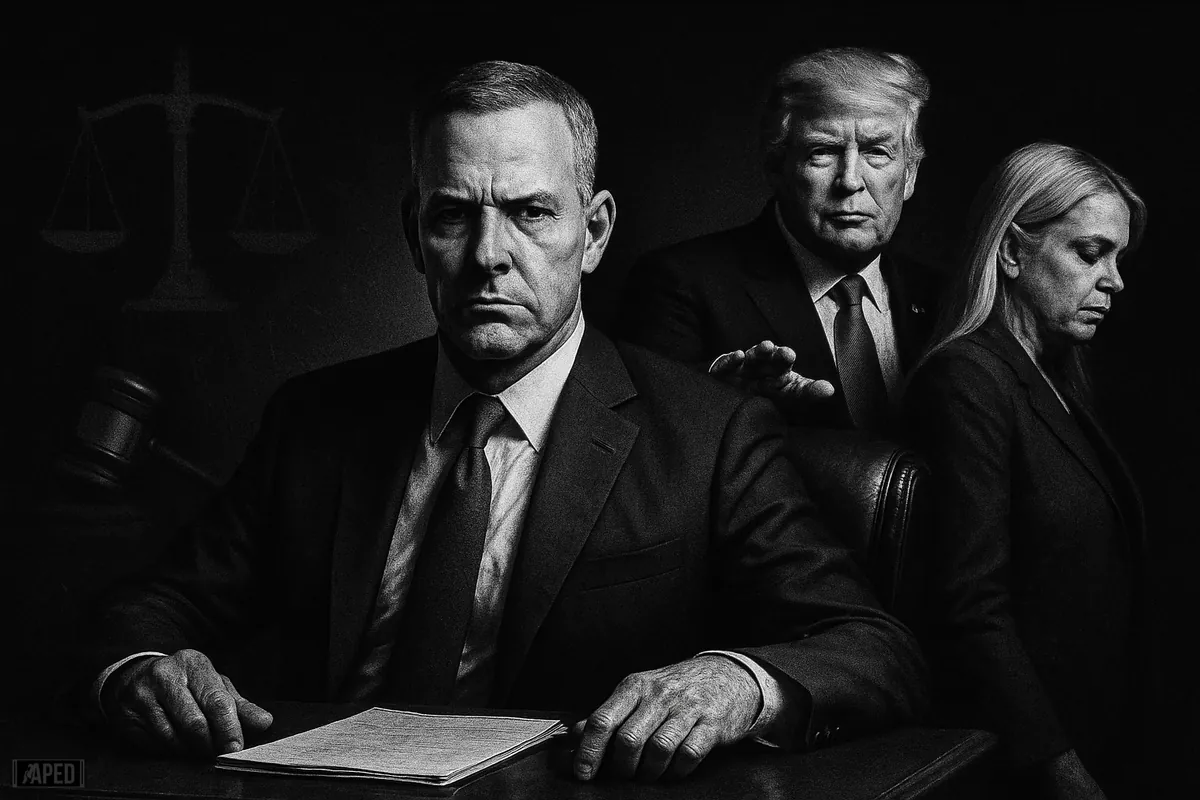
Share article
Share article
Somebody who already rewrote the DOJ's crypto playbook now has the top seat, at least for now.
Enjoy articles without ads?
Register for free and get unlimited access to all articles.
Why crypto people should care
Blanche's path to interim AG
Blanche previously served as Trump's personal attorney in his New York criminal case before joining the administration as deputy attorney general after Trump returned to office. Now he is the interim head of the DOJ following Bondi's removal. [3]
The memo that reset DOJ crypto policy
Blanche's crypto memo ordered prosecutors to avoid bringing cases that mainly hinge on alleged registration failures or other technical compliance issues. The practical effect was a narrower enforcement lane, with focus shifted toward conduct the DOJ can more easily frame as traditional crime. [4]
The ethics cloud is still there
There is also a less flattering part of the story. Reporting has indicated Blanche held between $159,000 and $485,000 worth of various cryptocurrencies when he signed the enforcement memo, despite ethics rules and a prior pledge to divest before participating in crypto-related matters. [5]
That is the kind of detail that will keep critics busy, and not unfairly. If an official is setting policy that could directly affect the industry while still holding crypto exposure, the conflict questions are obvious. Even in Washington, that is not exactly subtle.
Whether that becomes a real legal or political problem depends on what follows: disclosures, recusal explanations, or investigations. For now, it adds a credibility issue to a policy shift that was already politically loaded. [6]
What this means for the market and the industry
The immediate market impact is more narrative than price action. Traders are unlikely to ape into a headline about an interim AG alone. But for crypto firms operating in the U.S., this is another datapoint showing the federal enforcement mood has changed.
It also reinforces a broader split in Washington. Agencies may still fight over jurisdiction, and civil regulators can still press cases, but the DOJ under Blanche looks less interested in criminalizing gray-area compliance disputes.
The bottom line
Blanche's appointment matters because the guy who already narrowed DOJ crypto enforcement now controls the department, even if only on an interim basis. That is bullish for firms worried about prosecution by policy memo, not so bullish for anyone hoping the ethics questions disappear.
People Referenced
Pam Bondi
Pam Bondi is an American attorney and Republican politician who served as the 87th U.S. Attorney General (2025–2026).
Todd Blanche
Todd Blanche is an American attorney and former prosecutor who became acting U.S. attorney general in April 2026 after serving as deputy AG.

Donald Trump
American real estate mogul, media personality, and former president who reshaped branding and politics.