 See more like this on Google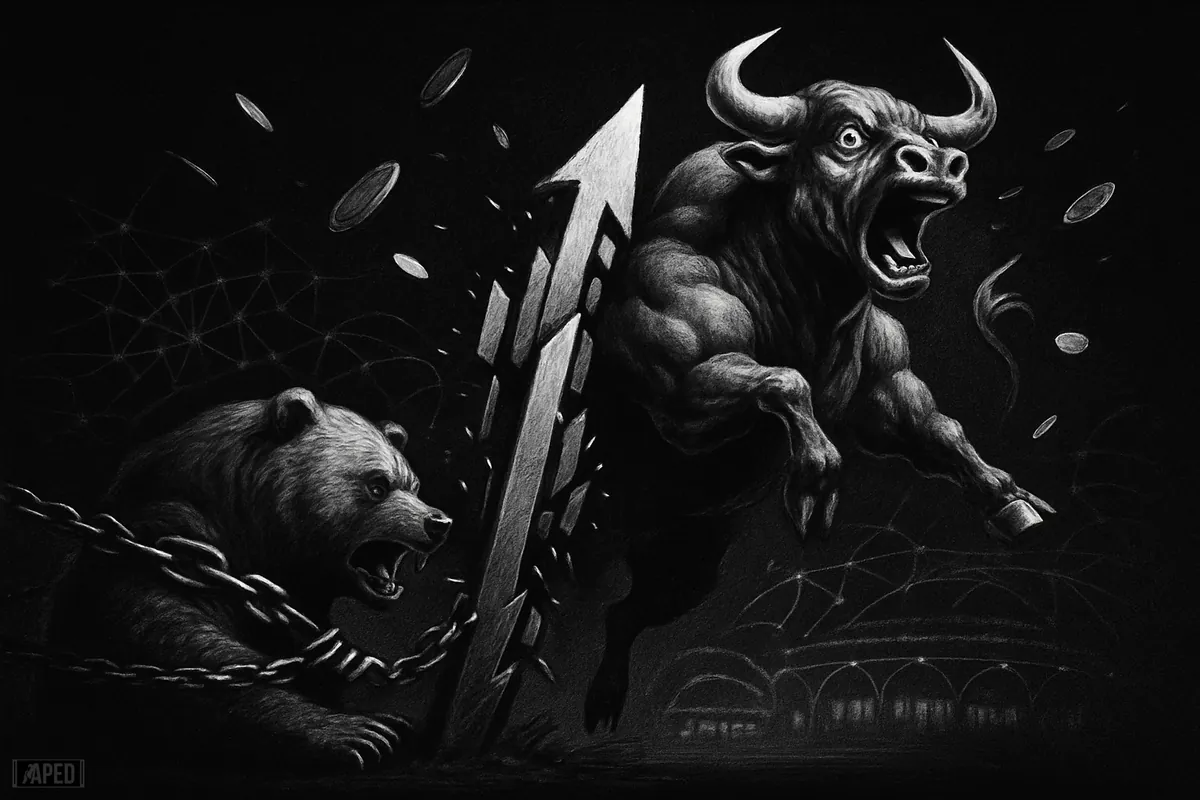
Share article
Share article
Enjoy articles without ads?
Register for free and get unlimited access to all articles.
What RAVE DAO is, at least in market terms
Why it keeps pumping
1. Momentum found a thin order book
The first ingredient is simple: low liquidity can turn steady buying into a face-melting chart. If there are not many tokens available near current prices, relatively modest demand can force each incremental buyer to pay up. That creates the appearance of unstoppable strength, which brings in more speculators, which pushes price higher again.
This is how small-cap crypto rallies go parabolic. It is less "institutional conviction" and more "there are not enough sellers up here."
2. Shorts likely got steamrolled
Once a squeeze starts, fundamentals usually take a back seat. Price becomes the narrative. Every new high becomes proof for bulls and pain for bears. The result is the classic crypto feedback loop: green candles attract longs, trapped shorts add fuel, and social feeds fill up with "just discovered" threads after the move is already crowded.
3. Narrative lag turned into narrative chase
The market loves a late narrative. A token runs first, then everyone reverse-engineers the reason. With RAVE, traders appear to be bundling together DAO governance, Web3 relevance, and breakout momentum into a single bullish story.
That does not mean the story is fake. It means the timing matters. In these setups, attention arrives after the first leg, not before it. Once coverage and discussion expand, more traders show up expecting another leg. That fresh demand can extend rallies far beyond what fundamentals alone would justify.
4. Speculation around manipulation is part of the trade now
Some of the research surrounding RAVE explicitly mentions manipulation concerns. That should not be brushed aside. When a token moves hundreds of percent in a compressed window, traders start asking who controls supply, where liquidity is concentrated, and whether the tape is being pushed by coordinated actors. [5]
That does not automatically mean the rally is fraudulent. It does mean risk is materially higher. A market can be both genuinely bullish and structurally fragile at the same time. Crypto does this all the time. Traders making money on the way up often ignore that distinction until the first 30 percent candle down.
The numbers that matter more than the hype
Research snippets also point to roughly $141 million in open interest around the token at one stage. Even allowing for fast-changing derivatives data, that is a big red flag and a big catalyst. High open interest in a thin, fast-moving market can amplify every move in both directions. It makes upside squeezes nastier and downside flushes uglier. [6]
Technical commentary cited in research also flagged a possible double-peak near $20 and downside risk toward roughly $15.34. That is trader shorthand for a crowded market approaching an exhaustion zone. If price cannot reclaim highs cleanly, momentum players can turn into exit liquidity very quickly. [7]
What bulls will say, and where they may be right
There is also a genuine market phenomenon where neglected tokens suddenly catch sustained attention and reprice hard. Sometimes those moves look ridiculous at first and still go further. Anyone who has traded crypto longer than one cycle knows that "too high" is not a timing tool.
What bears see, and why they are not crazy
The bearish case starts with structure, not vibes. Vertical rallies built on tight liquidity and squeezes rarely produce clean bases. They produce air pockets. When the forced buying ends, there may not be enough organic demand underneath to support price.
Why this rally matters beyond one token
It also shows how quickly crypto narratives get built around price. If a chart is strong enough, the market will supply the thesis later. That does not make the thesis worthless, but it does mean traders should separate story from structure. The story gets you interested. The structure tells you how badly you can get hurt.
The Bottom Line
RAVE DAO keeps pumping because the setup is built for it: thin liquidity, momentum chasing, likely short squeeze dynamics, and a narrative that arrived just as the chart turned vertical. That combo can run much longer than skeptics expect.
It can also unwind fast.
If RAVE holds above recent breakout zones and open interest cools without price collapsing, watch for another attempt at the highs. If support cracks and liquidations flip the other way, expect a savage flush, not a polite pullback.