See more like this on Google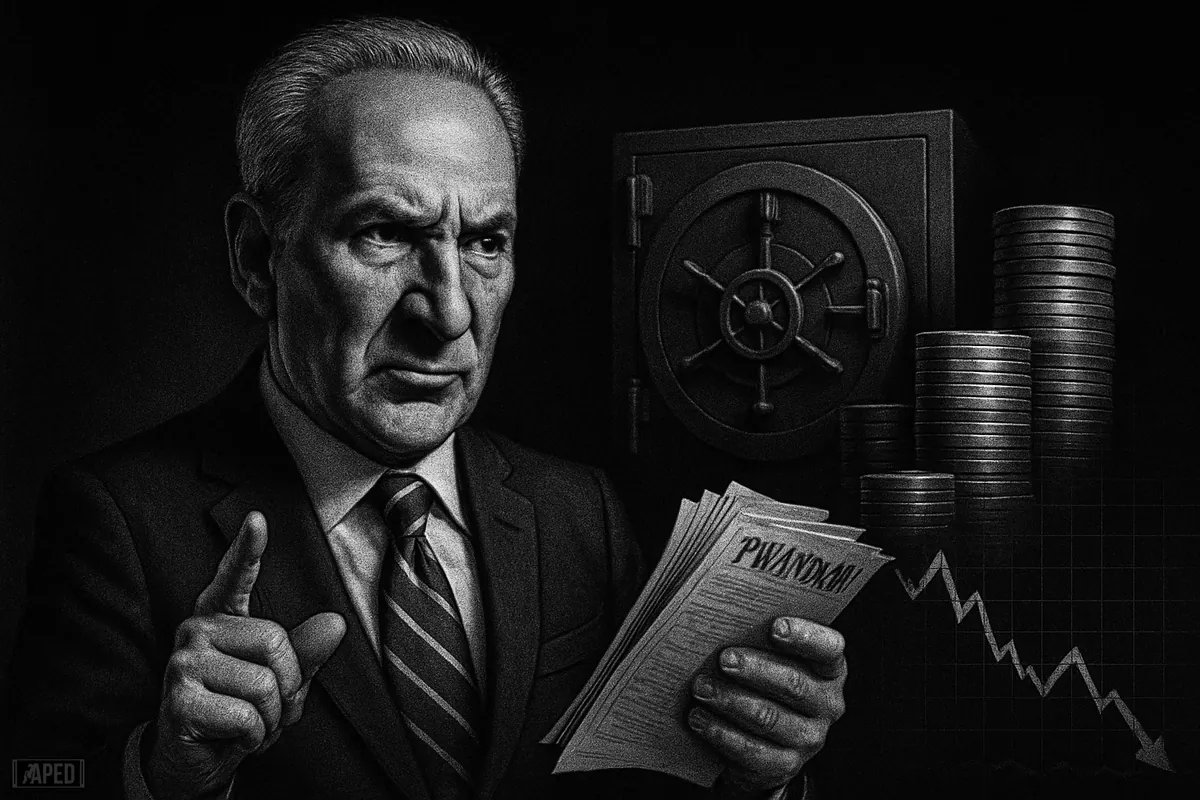
Share article
Share article
Enjoy articles without ads?
Register for free and get unlimited access to all articles.
Schiff's case: more buying, lower price
The core of Schiff's argument rests on a tidy comparison. At the 2025 Las Vegas conference, Bitcoin was trading near $110,000. Around this year's event, it changed hands closer to $76,000, a drop of roughly 30%.
His point is less subtle than his critics would like. If one of the market's largest and most relentless buyers can absorb that much supply and still not hold the line on price, then maybe the "inevitable number go up" story deserves a proper stress test.
What Strategy's growing stash actually tells us
The market structure problem
Why Schiff's criticism still lands with some investors
Even if the pure "Strategy bought, therefore BTC should rise" logic is thin, Schiff is pressing on a real sore spot: concentration risk.
Strategy's model has become increasingly tied to using capital markets to buy more Bitcoin. Bulls call that disciplined conviction. Bears call it leverage wrapped in branding. Schiff has long argued that this setup courts a so-called death spiral, where falling Bitcoin prices pressure the stock, complicate financing, and weaken the company's ability to continue the strategy at the same pace. [3]
That scenario is not automatically in play just because BTC is down from last year's conference highs. But it is not fiction either. Any vehicle built around repeated issuance and a highly volatile reserve asset depends on market access staying open. If risk sentiment sours badly enough, the machine gets noisier.
BTC price weakness changes the optics
A Bitcoin price near $76,000 is not catastrophic in historical terms, but compared with $110,000 it changes the conversation. When price is ripping, Strategy's accumulation looks visionary. When BTC is down 30%, the same playbook draws questions about average purchase costs, balance sheet sensitivity, and whether the company's stock is pricing in too much perpetual optimism.
That is why Schiff's criticism keeps finding oxygen. He does not need to prove Bitcoin is finished. He only needs to show that concentrated buying has not insulated holders from drawdowns, and on that narrow point, the tape has done some of the talking for him. [4]
Strategy is not the whole Bitcoin market
Bitcoin has endured repeated 20% to 40% pullbacks during broader upcycles before. A 30% drop from a six-figure level is painful, but hardly unprecedented. The more relevant question is whether Strategy's buying has improved its long-term position relative to the asset's eventual trajectory, not whether it prevented every cyclical selloff.
For traders, the immediate read is more practical than ideological. If BTC remains below major psychological levels and risk markets stay soft, Strategy's stock and debt-linked narrative will stay under pressure. If Bitcoin regains momentum, Schiff's annual victory lap may age about as well as previous ones.
What to watch next
- Whether Bitcoin can reclaim the $80,000 area and stabilise above it
- Any fresh Strategy disclosures on additional BTC purchases or financing activity
- Signs of tightening liquidity in BTC markets, especially if volatility spikes
- Derivatives data, including funding and open interest, for clues on leverage stress
- Whether critics shift from mocking the trade to questioning Strategy's access to capital
Schiff has a point about one thing: giant treasury buys do not grant price immunity. But turning that into a full rebuttal of Strategy's Bitcoin bet is still a stretch, even by his standards.