See more like this on Google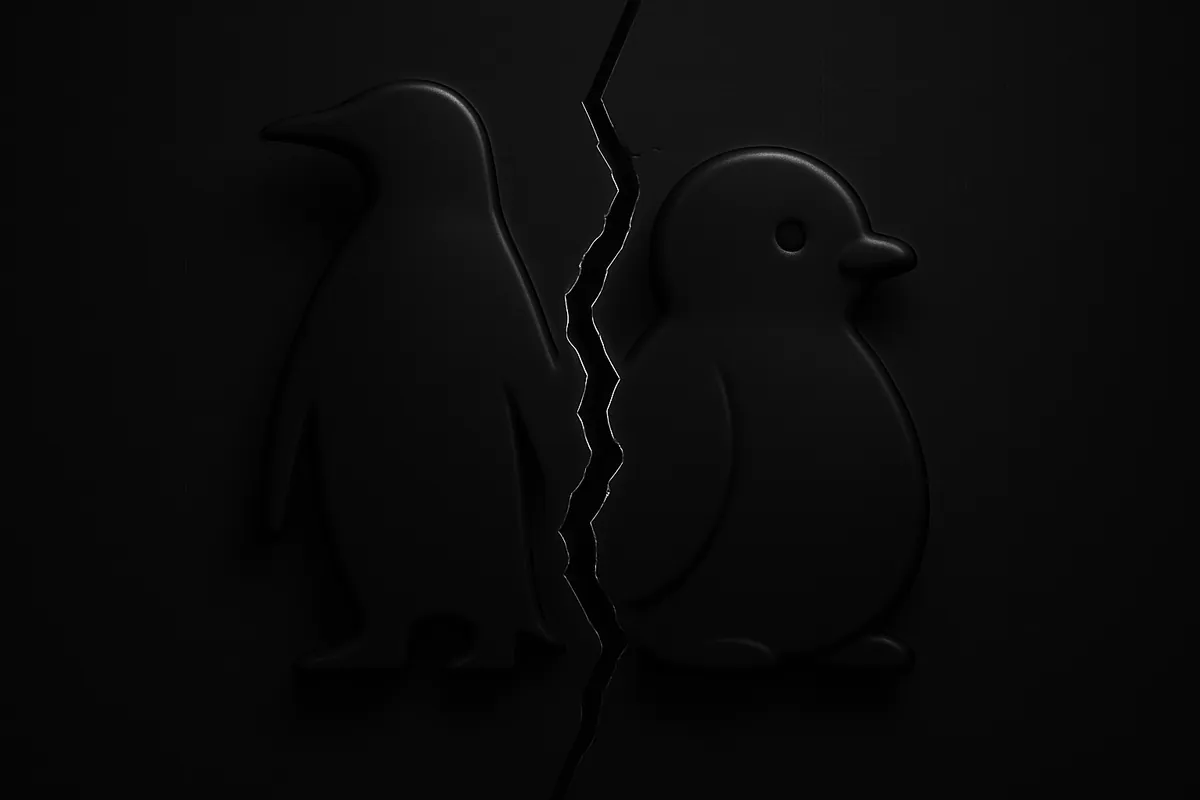

Share article
Share article
The penguin meta just got real, and not in a cute "gm" way.
A legacy apparel brand that owns rights to the "Penguin" name has filed a trademark infringement lawsuit targeting Pudgy Penguins, the NFT born IP that has spent the past two years pushing hard into mainstream consumer products. [1] [2]
Enjoy articles without ads?
Register for free and get unlimited access to all articles.
The lawsuit, in plain English
At the center is a familiar claim: two brands operating in overlapping categories, with similar naming and branding cues, and one side arguing the other is siphoning off goodwill built over decades.
While the exact wording and exhibits matter, trademark cases like this typically seek some mix of:
- An injunction (stop using the allegedly infringing marks in certain categories)
- Monetary damages (sometimes including profits tied to the accused branding)
- Corrective advertising (money to "undo" alleged confusion)
- Attorneys' fees in certain circumstances
The defendant side, Pudgy Penguins, has not been adjudicated liable. These are allegations, not a court finding.
Why Pudgy Penguins is a bigger target than most NFT projects
Plenty of NFT collections have used animal mascots. Most never leave crypto Twitter. Pudgy Penguins did the opposite.
Since being acquired and led by CEO Luca Netz, the brand has positioned itself less like a JPEG project and more like a consumer IP company. It has pushed into: [4]
- Physical toys and retail distribution (including major retailers, widely reported in prior coverage)
- Merch and apparel adjacent products
- Licensing style partnerships and broader brand building
That mainstream pivot is exactly what increases legal exposure. A pure on chain collectible project can sometimes argue it lives in a different lane. The moment you sell products that sit in the same shopping cart as legacy apparel, you are playing on the same field, with the same rulebook.
What the apparel company is likely arguing
Trademark law is mostly about consumer confusion, not about who had the cooler community.
Based on how these disputes are usually framed, the apparel company's complaint likely leans on a few core points:
Similarity in names and brand identifiers
Even if "Pudgy Penguins" is not identical to "Penguin," plaintiffs often argue that the shared dominant term, "Penguin," is what sticks in a buyer's head. Add penguin imagery, and the argument becomes: consumers may think the products are connected, licensed, or coming from the same source.
Overlapping categories, especially apparel
If both sides touch apparel, accessories, or closely related merchandise, the plaintiff's confusion story gets stronger. Courts also look at whether the senior brand is likely to "bridge the gap" into adjacent categories, even if it is not currently selling every possible item.
Dilution and unfair competition theories
Well known marks sometimes claim dilution (their brand gets weakened even without direct confusion). Plaintiffs may also add false designation of origin and other unfair competition claims, especially when the accused brand is marketing aggressively.
Pudgy Penguins, for its part, can be expected to argue there is no meaningful confusion, that "Pudgy Penguins" is a distinct brand, and that consumers understand the difference between a heritage clothing label and a crypto native character universe. It may also argue its branding is sufficiently differentiated in presentation, logos, and channels.
The weird part: NFTs are not the hard issue anymore
This is not just a fight about JPEGs.
The key is that NFT IP has matured into normal commercial activity. Once a project is doing retail, licensing, and product drops, the "crypto" label stops being a shield. Judges and juries tend to focus on familiar questions:
- Are the marks similar in sight, sound, and meaning?
- Are the goods related?
- Where are the products sold?
- What does marketing look like?
- Is there evidence of actual confusion?
- Who used their mark first, and in what scope?
NFTs add some modern flavor, but the underlying legal test is old school.
Why this matters for crypto brands trying to go mainstream
Every NFT team says they are building "the Disney of Web3." This lawsuit is the part they skip in the pitch deck.
- Trademark clearance becomes mandatory, not optional.
- Brand architecture (names, sub brands, logos) needs to be defensible across categories.
- Licensing strategy must be consistent, especially if you are letting community members or partners sell goods using your IP.
It is also a reminder that legacy brands actively monitor new entrants. A fast growing NFT brand is not seen as a joke anymore. It is seen as a competitor, or at least as a source of confusion worth policing.
What to watch next
The next moves are likely procedural before they are emotional.
1) Early motion practice
2) Evidence of consumer confusion
If the plaintiff can show misdirected emails, customer support mix ups, mistaken social tags, or retailer confusion, that is gasoline. If there is none, Pudgy's defense gets easier.
3) Settlement signals
4) Retail and licensing impact
If the case escalates, partners may pause launches until there is clarity. Big box retail does not like ambiguity.
If the court thinks "Penguin" and "Pudgy Penguins" can coexist without confusing shoppers, Pudgy's mainstream push probably continues. If the court sees meaningful overlap, expect restrictions, a licensing style compromise, or a rework of how Pudgy sells apparel and adjacent merch. Either way, this is the grown up phase of NFT IP: less vibes, more receipts.