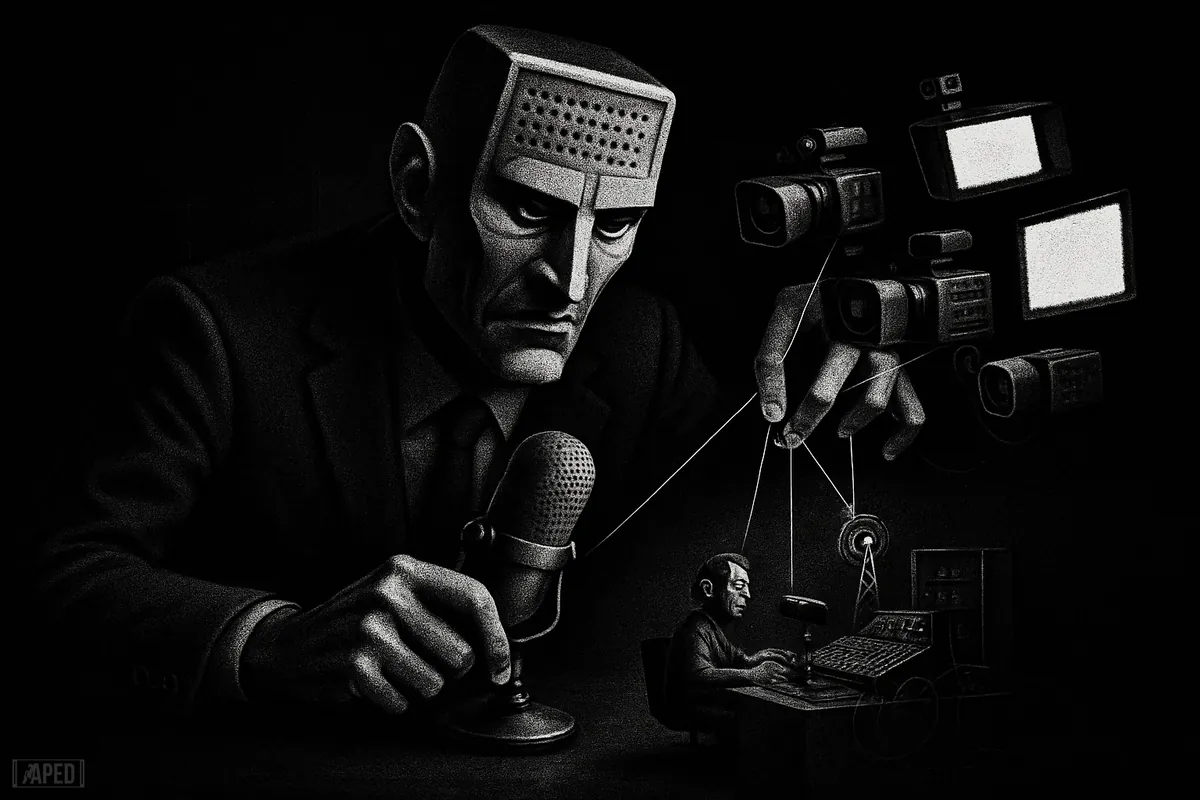
OpenAI has bought TBPN, the tech talk show and streaming media outfit, in a move that makes its communications strategy a lot more direct and a lot less dependent on outside press. For a company that has spent the past year lurching between product launches, policy rows and executive drama, owning a media channel looks less like a vanity play and more like message control. [1]
Enjoy articles without ads?
Register for free and get unlimited access to all articles.
Why OpenAI wants its own microphone
TBPN built a following by packaging startup, venture and tech news into a founder-friendly live format. That matters for OpenAI because the company is no longer just shipping models, it is constantly explaining itself to regulators, enterprise clients, developers and a deeply online audience that reacts in real time. [2]
The acquisition suggests OpenAI wants a house platform for interviews, product context and narrative management. Traditional press still matters, but it comes with questions OpenAI cannot script. A controlled media property gives it a way to frame product rollouts, talent moves and policy positions without waiting for someone else to set the tone first. [3]
That does not mean TBPN becomes a pure corporate megaphone overnight. If it loses its edge, viewers will clock it quickly and switch off. But if OpenAI preserves some editorial personality while using the platform to host executives, partners and developers, it gains a proper distribution asset at a moment when AI competition is increasingly fought in public as much as in code.
TBPN fits a broader strategy shift
This deal lands as OpenAI keeps expanding beyond research-lab posture into a full-stack commercial operation. It is courting enterprises, building consumer products, negotiating with publishers and trying to reassure governments that it can be both ambitious and safe. That is a lot of constituencies to manage, and the current media environment is a bit of a mess. [4]
Owning TBPN gives OpenAI a faster lane for communication than blog posts and safer terrain than a social feed pile-on. Live video, interviews and recurring programming can turn abstract model updates into something more legible for mainstream audiences and decision-makers. It also lets OpenAI compete more aggressively for attention against rivals that already dominate online discourse through founder-led posting and highly polished launch campaigns.
There is also a timing angle. AI news now moves at market speed. Product demos, benchmark claims and policy statements are picked apart within minutes by developers, investors and what crypto readers would call CT, or Crypto Twitter style online communities. OpenAI may be betting that tighter control over format and cadence helps it respond before narratives harden. [5]
What this could mean for tech media
The acquisition is another sign that the line between media company and platform company is getting blurry. Tech firms have long run blogs, podcasts and events, but buying an existing show is a more assertive step. It says distribution is strategic infrastructure, not just marketing support.
That raises obvious questions around editorial independence. TBPN's value came from being part of the conversation, not just adjacent to a corporate comms team. If the audience senses every segment has been sanded down by legal and PR, the brand could become less useful than the earned media it was meant to supplement. [6]
Still, there is a reason this play will make other companies take notice. AI giants are under permanent scrutiny, and the cost of miscommunication is high. If OpenAI can turn TBPN into a credible hybrid of media, education and product storytelling, rivals may feel pressure to build or buy their own channels too.
The Bottom Line
OpenAI's TBPN deal looks like a communications acquisition dressed in media clothing. It gives the company reach, speed and a more controlled venue for shaping how its story lands.
The risk is straightforward: if TBPN stops feeling like a real conversation and starts reading like polished copy, the whole thing loses credibility. If OpenAI can avoid that trap, this could become one of the smarter non-product bets in the current AI race.
Your reviews help us improve the quality of both current and future articles. All reviews are public and visible to other readers. We use both ratings and comments to improve future articles and to revise any articles that do not meet our standards.
 See more like this on Google