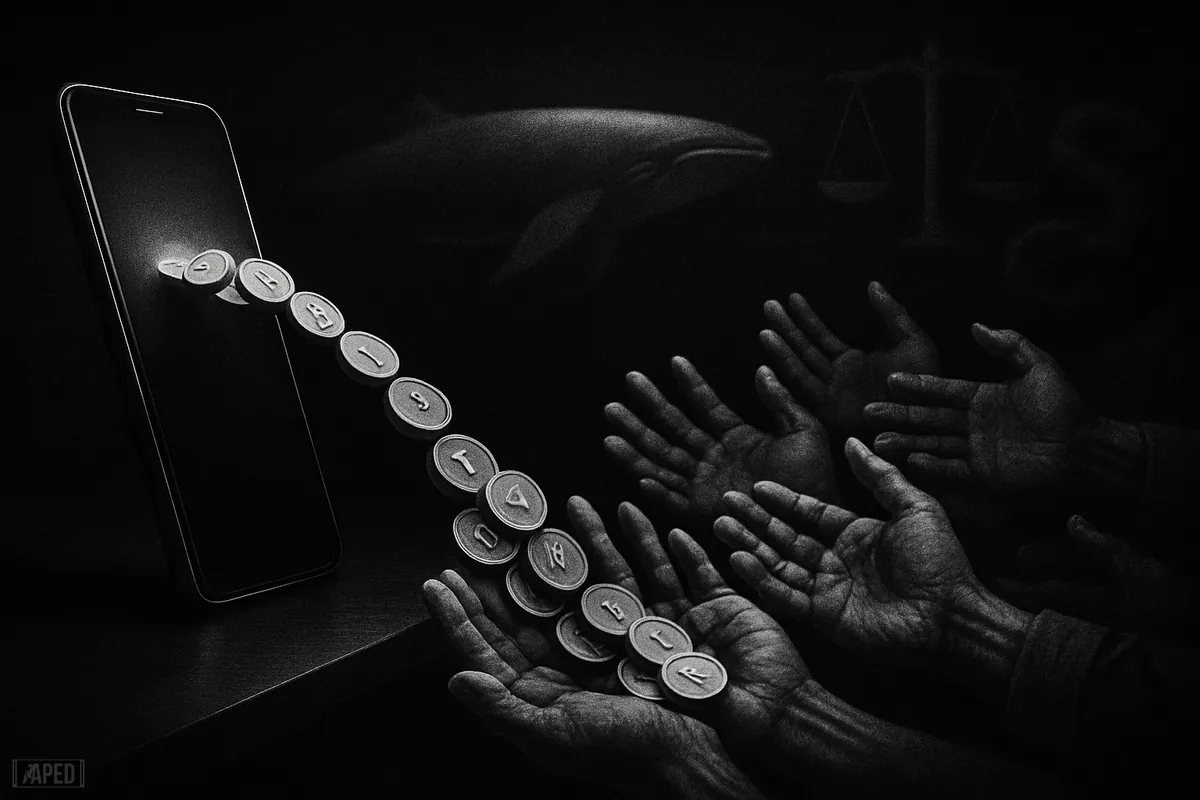
Cash App's move to open fee-free USDC$1.0005 transfers to its 59 million monthly active users was the clearest real adoption story on May 31, and the market took it as exactly that: a distribution win for stablecoins, not just another CT talking point. The rest of the day was thinner on hard catalysts, with attention also drifting toward the long tail of the XRP$1.518 case and a more speculative discussion around WLFI's longer-term token outlook.
Enjoy articles without ads?
Register for free and get unlimited access to all articles.
The biggest practical development was Cash App enabling fee-free USDC$1.0005 transfers for US users, instantly putting one of crypto's most useful products in front of a massive retail base. Fifty-nine million users is not a small sandbox. It is proper distribution, and it matters because stablecoin growth has been driven less by flashy narratives than by boring utility that keeps compounding. [1]
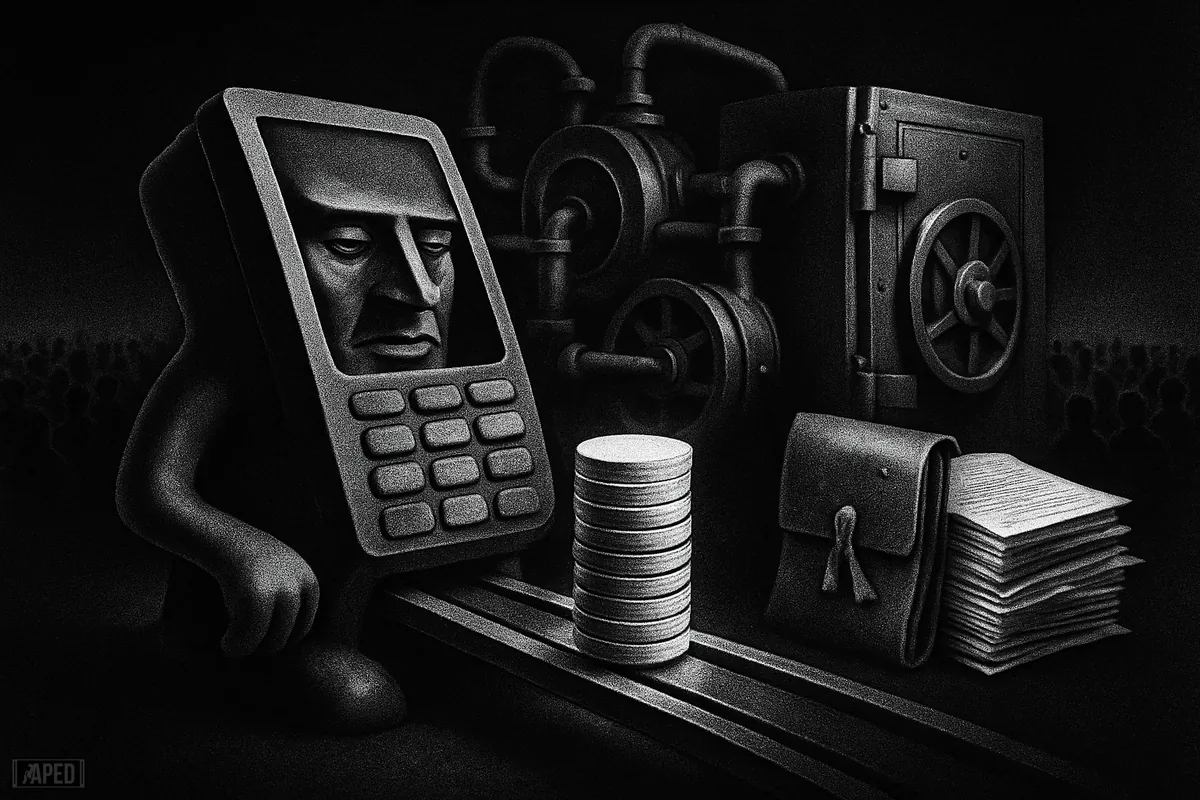
What made this notable was not just access, but friction reduction. Fee-free transfers lower the threshold for testing stablecoin rails as a payments tool, savings vehicle, or exchange bridge. That tends to matter more than lofty "mass adoption" slogans. When a mainstream fintech makes dollar-backed crypto easier to move, the market usually reads that as infrastructure maturing rather than speculation overheating.
The timing also fit a broader pattern. Stablecoins have been steadily moving from trading collateral into consumer-facing settlement rails, and Cash App's integration added another piece to that puzzle. For traders and on-chain watchers, the key question is whether this drives meaningful transfer volume and repeat usage, not just a one-day headline pop in sentiment.
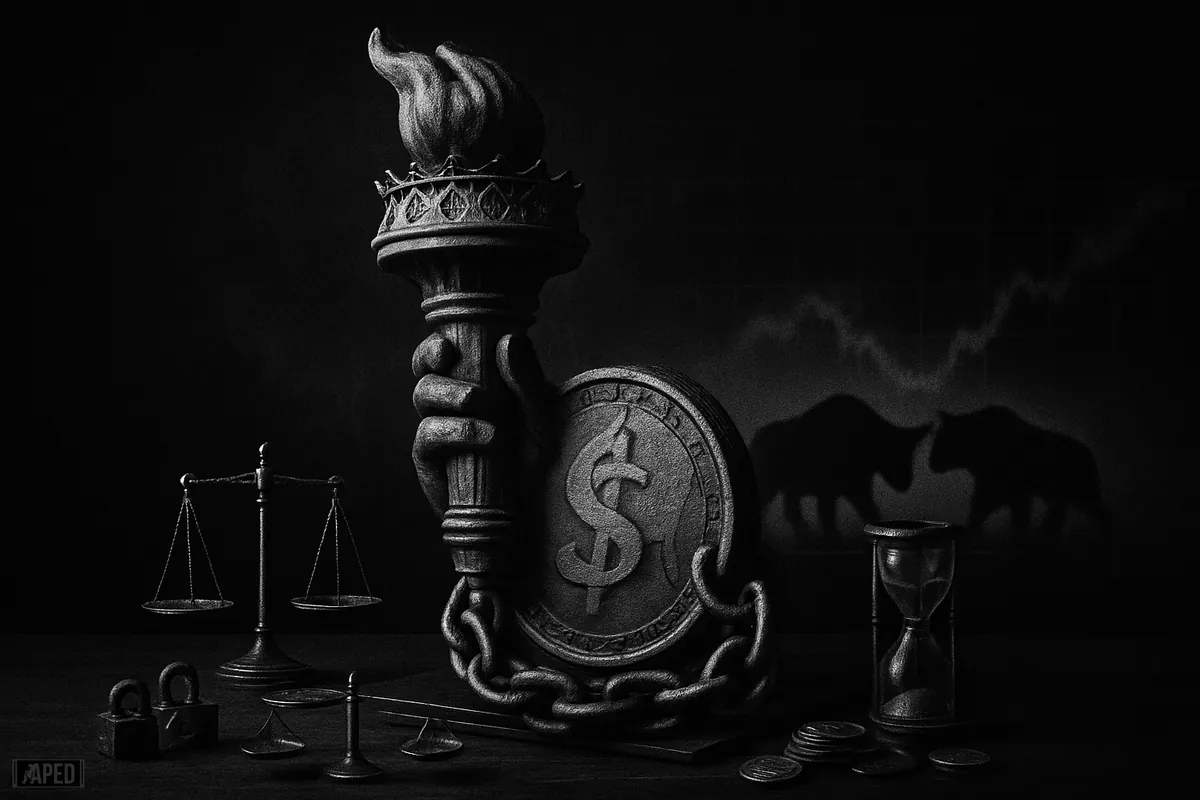
Another closely watched thread from the day was the XRP$1.518 legal saga nearing final paperwork. After years of procedural churn, even incremental steps toward closure still influence market mood because traders hate uncertainty almost as much as they hate unlock schedules. [2]
There was no fresh explosive ruling attached to the update, but the significance lay in reducing overhang. A cleaner legal backdrop would remove one of the more stubborn narrative drags tied to XRP. That does not automatically create organic demand, of course. It simply means one major source of headline risk may finally be fading.
WLFI's long-term case depends on real on-chain stickiness
The day's more speculative read came from a longer-range look at WLFI, with its 2026 to 2030 outlook framed around a familiar crypto problem: can political attention and branding convert into durable on-chain demand, or does it fade once the hype trade is done?
That is the right question. Projects with big narratives often do well in early attention markets, but long-term performance usually comes down to less glamorous metrics: active holders, organic liquidity, treasury management, emissions discipline, and whether users actually transact after the first wave of apes rotates out. Without that, price forecasts are just vibes in a blazer.
WLFI's prospective upside was tied to its ability to maintain relevance while navigating regulation and future token unlocks. Those are not small caveats. Political adjacency can bring audience and headlines, but it can also attract sharper scrutiny and make sentiment more binary. If the project fails to build recurring utility, any premium attached to brand or narrative could evaporate quickly. [2]
Why this mattered despite a quiet tape
On a slower news day, forecast pieces like this help show where speculative interest may gather next, especially in corners of the market where community loyalty and headline visibility can briefly overpower fundamentals. Still, these setups are often a bit dodgy when liquidity is thin or holder concentration is high. Without stronger on-chain evidence, longer-term upside cases remain conditional rather than convincing.
Market Mood
Sentiment across the day skewed mildly positive, but not euphoric. Cash App's USDC push was a tangible bullish signal because it expanded crypto utility through a mainstream app people already use. That sort of news tends to support confidence in the sector's plumbing rather than trigger instant manic rotation.
By contrast, the WLFI discussion sat in the neutral bucket, reflecting a market that is still willing to entertain future upside but increasingly wants receipts. That is a healthier tone than blind chasing. Traders have been burnt enough by narrative-only runs to ask harder questions about demand, supply, and regulatory survivability.
May 31 was less about wild price action and more about where crypto is becoming useful in the real world. Cash App gave USDC a meaningful retail distribution boost, which is the sort of development that can quietly matter more over time than a dozen meme pumps. XRP's legal endgame kept edging forward, trimming uncertainty without fully changing the asset's demand picture. [1]
WLFI, meanwhile, was a reminder that not every high-visibility token story is investable just because it is loud. The bull case from here needs proper usage, decent liquidity, and a token structure that does not turn into a supply overhang. If that does not materialise, the narrative breaks.
Your reviews help us improve the quality of both current and future articles. All reviews are public and visible to other readers. We use both ratings and comments to improve future articles and to revise any articles that do not meet our standards.
 See more like this on Google