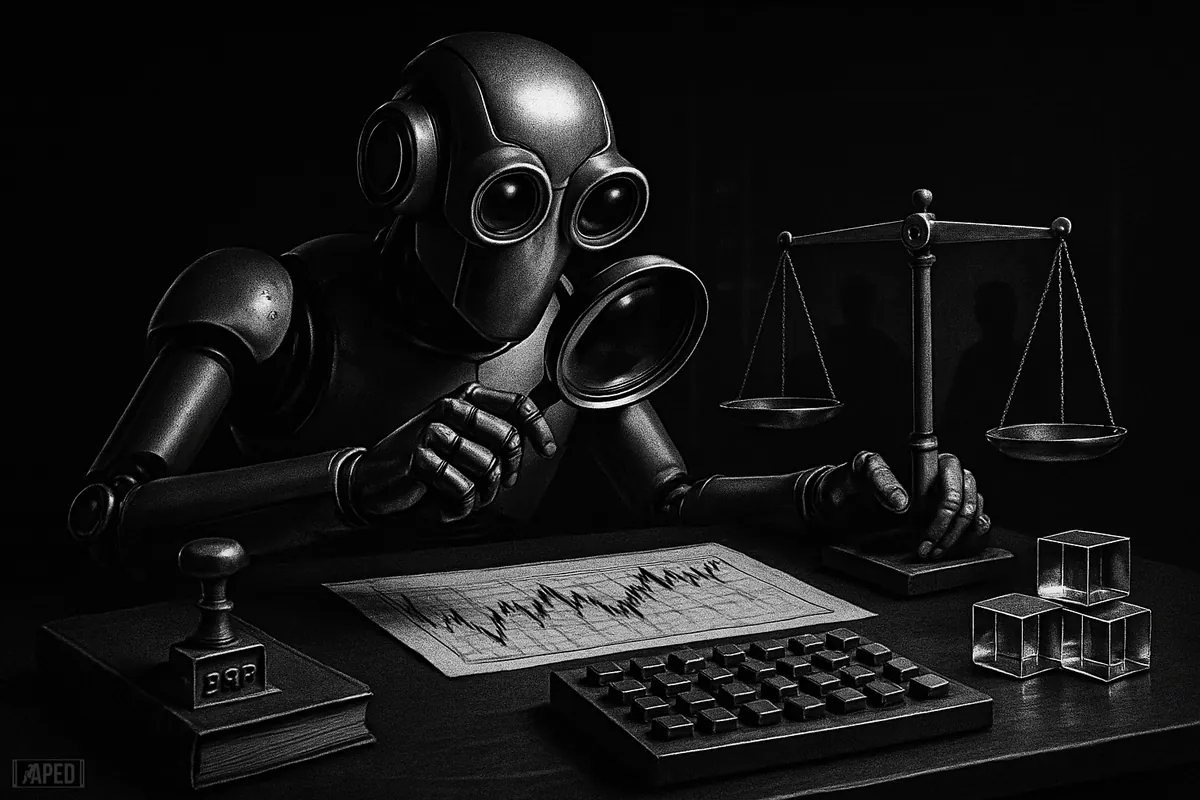
The day was quiet on hard news and heavy on one familiar crypto theme: automation keeps getting sold as alpha. The main takeaway from August 20 was not a token ripping 40 percent or a regulator dropping a surprise headline. It was a practical reminder that AI trading tools are moving from novelty to product category, and that the real edge is still in risk controls, execution, and transparency, not marketing gloss. If there is one thing to watch, it is the gap between what these systems promise and what they actually let users verify.
Enjoy articles without ads?
Register for free and get unlimited access to all articles.
AI trading robots shift from hype to due diligence
The day's only story focused on how to compare AI trading robots in 2026, and the framing was refreshingly grounded. Rather than chasing sleek interfaces or bold performance claims, the piece argued that users should start with the product type itself. That means understanding whether a tool is offering signal generation, full automation, copy trading, portfoliorebalancing, or exchange execution support. Those are very different products with very different failure modes, even if they all get labeled "AI." [1]
Risk transparency was the next filter, and frankly it is the one most retail users still skip. A trading bot that cannot clearly show drawdown behavior, position sizing logic, stop conditions, or how it responds to volatility spikes is asking for blind trust. In crypto, blind trust usually ends with somebody becoming exit liquidity. The article's core point was simple: if users cannot inspect the risk framework, they are not evaluating a system, they are buying a story.
Execution quality also got the attention it deserves. This is where a lot of advertised returns quietly fall apart. Two bots can share the same strategy logic and still produce very different results depending on slippage control, order routing, exchange connectivity, latency, and behavior during illiquid conditions. In fast markets, especially around liquidations or headline shocks, poor execution can turn a decent model into a bad trade machine. That matters more than the dashboard color palette. [1]
User control rounded out the checklist. The best systems are not the ones that lock users into a black box. They are the ones that let traders set guardrails, adjust risk, pause strategies, review logs, and understand when the model should not be active. That is a big distinction. Automation can help with discipline and speed, but a bot that removes visibility while keeping custody or execution authority is not reducing risk. It is just relocating it.
Why This Mattered on a Slow News Day
With no major market-moving events in the provided news flow, this story stood out because it speaks to a broader shift in crypto behavior. Traders are increasingly looking for tools that can operate 24/7, scan fragmented markets, and react faster than manual setups. That demand is real. So is the temptation for vendors to package ordinary automation as "AI" and rely on branding to close the sale.
The practical angle here is useful because it pushes the conversation away from performance screenshots and toward product structure. For experienced traders, that means asking whether the bot's edge survives fees, slippage, and regime changes. For newer users, it means realizing that convenience and intelligence are not the same thing. A polished UI is not a risk metric. [1]
There is also an important control question under the surface. As more platforms push autonomous features, the line between tool and delegated decision-maker gets thinner. That makes auditability, override options, and operational transparency far more important than headline win rates. If a system cannot explain what it is doing, when it should stop, and how it behaves under stress, then it is not ready for serious capital. [1]
Key Takeaways
August 20 did not deliver a packed tape, but it did offer a useful filter for one of crypto's louder narratives. AI trading robots are not all competing on the same terms, and traders should stop evaluating them like consumer apps. The checklist is straightforward: know the product type, demand visible risk controls, verify execution quality, and keep user override in the loop.
That is the market lesson for the day. The next wave of crypto tooling will keep leaning on AI branding, but the winners will likely be the products that prove how they trade, not just how they market. Watchlist item: any platform pushing automated trading without detailed reporting, controllable risk settings, or clear execution standards deserves extra skepticism. In this market, boring due diligence still beats shiny promises.
Your reviews help us improve the quality of both current and future articles. All reviews are public and visible to other readers. We use both ratings and comments to improve future articles and to revise any articles that do not meet our standards.
 See more like this on Google