 See more like this on Google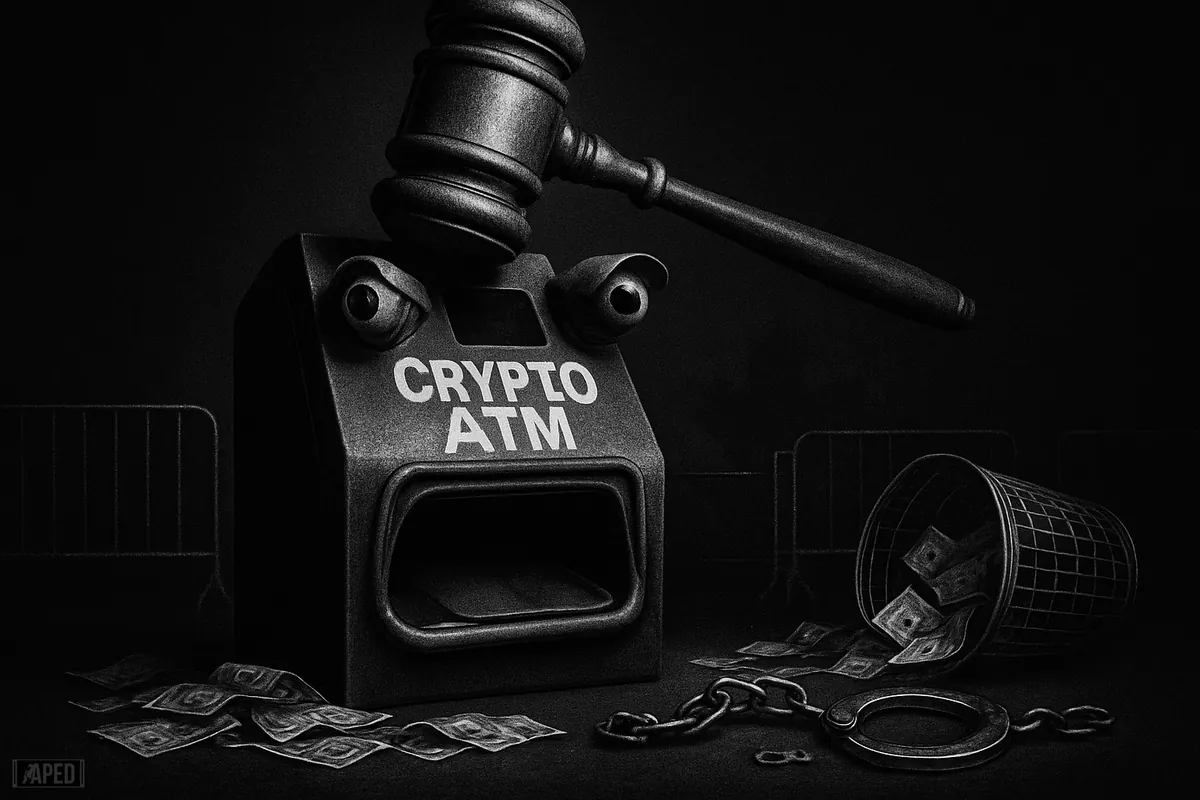
Share article
Share article
Cash-to-crypto kiosks have always sold convenience with a side of plausible deniability. Now Canada looks ready to call time on the whole trade.
Enjoy articles without ads?
Register for free and get unlimited access to all articles.
Ottawa's case: fraud first
Why crypto ATMs are in the crosshairs
For anti-money laundering agencies, the issue is broader than elderly fraud victims being marched to a machine. These kiosks can also serve as a bridge for dirty cash entering crypto rails in relatively small, fragmented amounts. That does not make every operator suspect, but it does make the sector an obvious target when policymakers want a visible crackdown.
A big market by any measure
The likely impact would fall hardest on kiosk operators, software providers, and retail hosts such as corner shops and malls that collect placement fees. For users, especially those who rely on cash or lack easy access to conventional exchanges, the ban would remove one of the few direct on-ramps still available in person.
Not an isolated policy signal
The ATM proposal lands alongside another restrictive measure moving through Canadian politics: lawmakers are also advancing legislation that would bar political campaigns from accepting crypto donations. Taken together, the message is fairly clear. Ottawa is not outlawing crypto, but it is tightening the parts of the ecosystem that intersect with cash, politics, and consumer harm.
This is a familiar playbook globally. Regulators often move first against the most publicly awkward edges of the market, especially where scams are easy to explain to voters. A nationwide ATM ban is legible politics. "We removed the machines scammers use" is a cleaner line than "we enhanced transaction monitoring standards for retail crypto intermediaries."
What this means for the industry
For crypto firms, the lesson is not subtle. Physical distribution does not buy regulatory goodwill if the product is repeatedly linked to fraud losses. Operators that built around convenience-store style access may find that licensing, transaction caps, stronger KYC, and geofencing are no longer enough if lawmakers decide the format itself is structurally unsafe.
Risks to watch in the rollout
This is still a proposal, not a completed ban, so the implementation details matter. Policymakers will need to define what counts as a crypto ATM, whether existing operators get a wind-down period, and how any exemptions would work for hybrid money service providers.
Enforcement is another question. If the goal is fraud reduction, authorities will need to show that shutting kiosks actually cuts losses rather than simply rerouting victims to online exchanges, gift cards, or bank wires. Bad actors are not known for giving up after one policy memo.
There is also a practical consumer angle. Some legitimate users prefer cash-based crypto purchases for privacy or because they remain poorly served by mainstream finance. Ottawa seems prepared to accept that trade-off, but critics will argue the ban punishes lawful users for the sector's worst behaviour.
What to watch next
- Whether the ATM ban moves from budget language into binding legislation
- How Canada defines covered machines and any carve-outs for MSBs
- Industry pushback from kiosk operators and retail hosts
- Fraud data cited by officials to justify the measure
- Whether provinces and enforcement agencies align quickly on implementation
- If other high-ATM markets borrow the same anti-fraud playbook
Canada is making a blunt bet: that cutting off a highly visible crypto on-ramp will do more good than harm. For ATM operators, that is awkward reading. For the rest of the market, it is another reminder that the easiest user experience is often the first thing regulators decide they can live without.