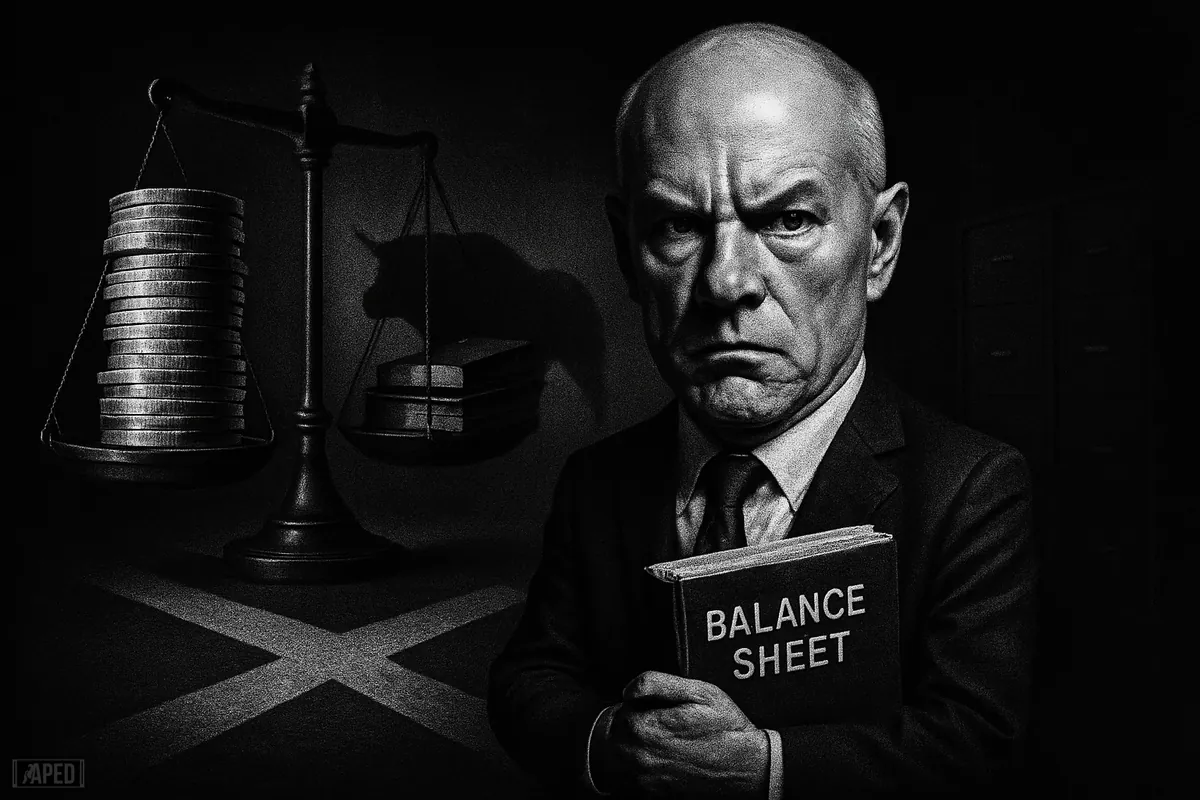
The bitcoin treasury trade is no longer a free lunch, it is a balance sheet stress test.
Public companies that spent the past year piling into BTC now sit at a crossroads as Bitcoin$81,974.08 cools from its late 2025 highs and equity investors start asking a harder question: is this a real operating business with a bitcoin strategy, or just leveraged BTC cosplay? That distinction matters a lot more when the chart stops going up only. [1]
Enjoy articles without ads?
Register for free and get unlimited access to all articles.
Why the model looked unbeatable
The pitch was simple. Raise cheap capital, buy Bitcoin$81,974.08, let the stock trade at a premium to net asset value, then raise again. As long as equity stayed rich and bitcoin kept climbing, the machine fed itself. Michael Saylor's Strategy remains the template, and for most copycats the bet was that public markets would keep rewarding corporate bitcoin exposure over spot ETFs or direct custody. [2]
That worked when liquidity was loose and BTC momentum did the heavy lifting. Some treasury firms became de facto closed-end bitcoin funds with a corporate wrapper. Investors were willing to overlook thin core businesses, dilution, and aggressive financing because the underlying asset kept bailing everyone out. [3]
What changed
That premium is getting harder to defend.
Recent reporting across market coverage points to a broader reset in crypto-linked equities after a bruising stretch for bitcoin. When BTC drops or even chops sideways for long enough, treasury firms lose the key ingredient that made the model attractive: access to accretive capital. If a company's stock trades close to, or below, the value of its bitcoin holdings, new share issuance stops looking clever and starts looking dilutive. [4][5]
This is the tipping point. The treasury strategy depends on confidence, not just coin price. Once investors believe the premium is gone, the refinancing loop weakens fast. Companies that borrowed against bitcoin or issued convertibles into a hot market can suddenly look exposed if they need fresh cash while their stock is under pressure.
The market is starting to separate Strategy from the pack, and that is rational.
Strategy has scale, brand recognition, a deeply entrenched bitcoin identity, and a shareholder base that largely knows what it owns. It also spent years building the playbook. That does not make it risk-free, but it does make it structurally different from smaller firms that jumped in late, bought high, or lack durable access to capital.
Smaller treasury names have less room for error. Many do not have Strategy's liquidity, market following, or financing flexibility. If they cannot issue stock above NAV and cannot refinance debt on favorable terms, their Bitcoin$81,974.08 stash turns from an asset story into a constraint. Bags are still bags, but public market plumbing matters. [6]
The clean version of the bitcoin treasury story says companies buy and hold forever. The messy version is that corporate treasuries exist inside real legal and funding constraints.
If a firm faces debt maturities, covenant pressure, or a sliding share price, selling bitcoin becomes a live possibility. That is the part bulls prefer not to meme about. A wave of treasury companies becoming price-insensitive sellers would add supply exactly when sentiment is already weak. Even modest disposals can hit confidence if traders start treating corporate BTC reserves as latent overhead resistance. [7]
This is why recent debate around a "breaking point" for the treasury model matters. The threat is not that every firm dumps coins tomorrow. It is that the market begins pricing treasury holdings with a discount because holders may need liquidity before the next cycle high arrives. [8]
Equity investors want more than a ticker proxy
Another problem is competition. Spot bitcoin ETFs already give institutions clean exposure without corporate execution risk, debt structure complexity, or management dilution. Treasury firms only justify their premium if they can offer something extra, better capital markets access, smarter financing, operating cash flow, or a uniquely sticky investor base.
Without that edge, the trade starts to look crowded and fragile. A company that simply warehouses BTC may struggle to explain why investors should pay more for its stock than for direct bitcoin exposure. Once that question lands, the old narrative can unwind fast.
What the crossroads actually means
This is not the end of bitcoin treasury firms. It is the end of assuming all of them deserve the same valuation logic.
The stronger names may survive and even consolidate the space if weaker players get rekt by funding stress. The weaker names may be forced to slow purchases, issue at bad levels, restructure, or in the worst case, sell bitcoin to defend the rest of the balance sheet. That would turn a bullish treasury narrative into a source of market supply.
What to watch next: if BTC stabilizes and treasury stocks regain a premium to NAV, expect the model to keep limping forward. If bitcoin breaks lower and equity discounts deepen, expect a harsher sorting process where only the best-capitalized players can keep stacking while everyone else starts protecting liquidity.
Your reviews help us improve the quality of both current and future articles. All reviews are public and visible to other readers. We use both ratings and comments to improve future articles and to revise any articles that do not meet our standards.
 See more like this on Google