 See more like this on Google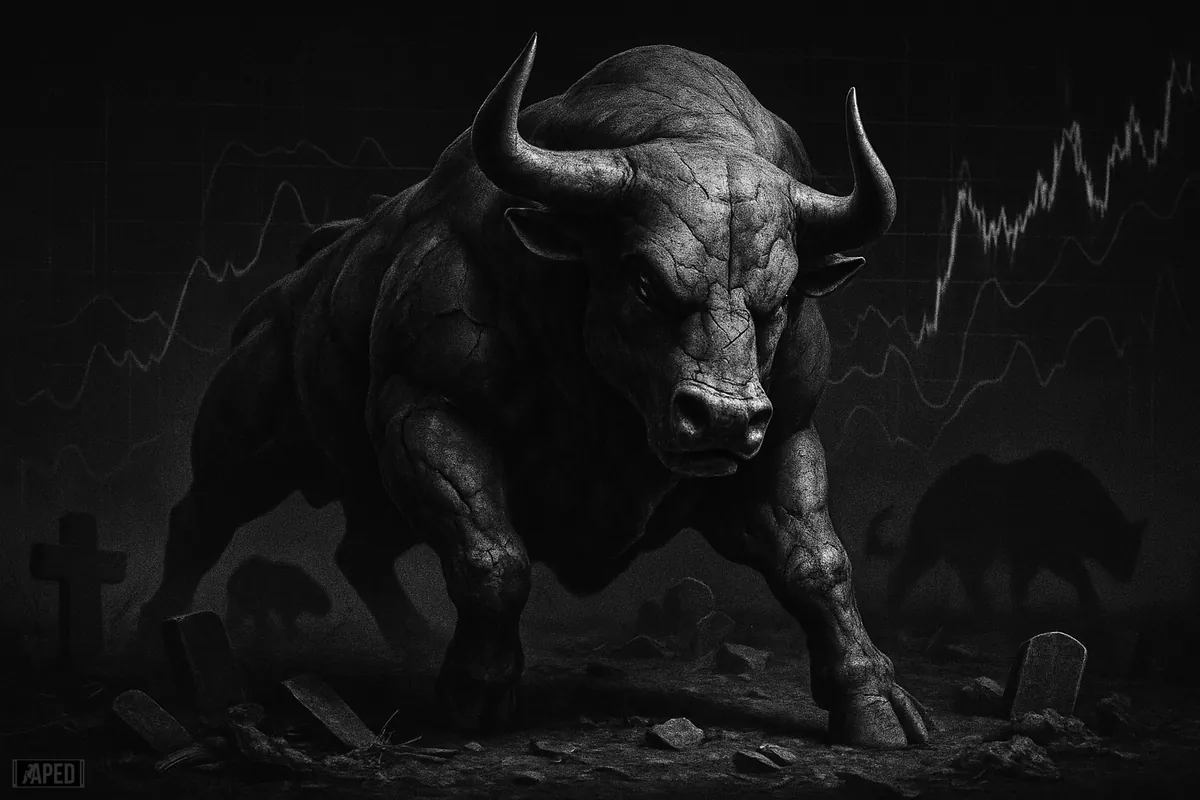
Share article
Share article
Enjoy articles without ads?
Register for free and get unlimited access to all articles.
The data behind the latest round of doubt
Death calls are usually sentiment markers, not final verdicts
The 472-call figure is useful less as trivia and more as a sentiment index. It shows how often the market has interpreted stress as terminal failure. That has happened across multiple cycles, under wildly different macro conditions, and at vastly different price levels. The common thread is not that critics were always foolish. It is that Bitcoin repeatedly proved more durable than the headlines describing its imminent funeral. [4]
Why this count still resonates
Crypto has no shortage of recycled talking points, but this one persists because it captures a real contradiction. Bitcoin is mature enough to attract institutional products, policy attention, and treasury allocations, yet still volatile enough to generate obituary content on schedule. That tension is part of the asset now. Stability is relative, and crypto's version still comes with dramatic copy.
Traders are not leaving crypto, they are rotating
That suggests traders are not exiting risk altogether. They are shifting it. Smaller-cap tokens tend to attract flows when majors stall, especially if market participants believe broad conditions are weak but not broken. It is the classic crypto habit of trying to front-run the next rotation before it becomes obvious and therefore less profitable.
Not quite altseason, but definitely positioning
This does not look like a full-blown altseason yet. Breadth is not broad enough, and the market backdrop is still sluggish. But the pickup in non-top-five exchange activity hints at early accumulation behavior. Traders appear willing to take selective bets in smaller names while sentiment remains subdued.
That matters because these rotations often start quietly. First volume creeps into neglected corners of the market. Then narratives get attached. Then everyone claims they saw it coming. For now, though, the move looks more tactical than euphoric.
Bitcoin's softer tape is creating room for speculation
A wobbly BTC usually changes behavior across the market in two ways. Large players become more patient, while faster money starts looking for sharper beta elsewhere. If Bitcoin is not delivering clean upside momentum, smaller assets can become the preferred playground, even if the fundamental case is thin. Because of course it can.
Why the "dead again" narrative misses the real story
The simplistic reading is that Bitcoin is fading and traders are moving on. The better reading is that Bitcoin remains the market's anchor, but its pauses give speculative capital room to roam. That is a very different claim.
What to watch next
The near-term question is whether Bitcoin can recover buying pressure fast enough to pull capital back toward majors. Watch for RSI reclaiming neutral territory and money flow turning clearly positive. If that happens, the recent drift into smaller altcoins could fade into another short-lived rotation.
If BTC stays range-bound and volumes remain muted, expect more selective action in lower-cap names outside the top five. That would not confirm a durable alt cycle on its own, but it would show that traders are comfortable taking incremental risk while Bitcoin catches its breath.
So yes, Bitcoin has survived 472 death calls. The more practical takeaway is that every time the obituary writers get busy, the market starts reallocating attention. Bitcoin may be boring for a week. In crypto, that is apparently enough to send speculators shopping.