 See more like this on Google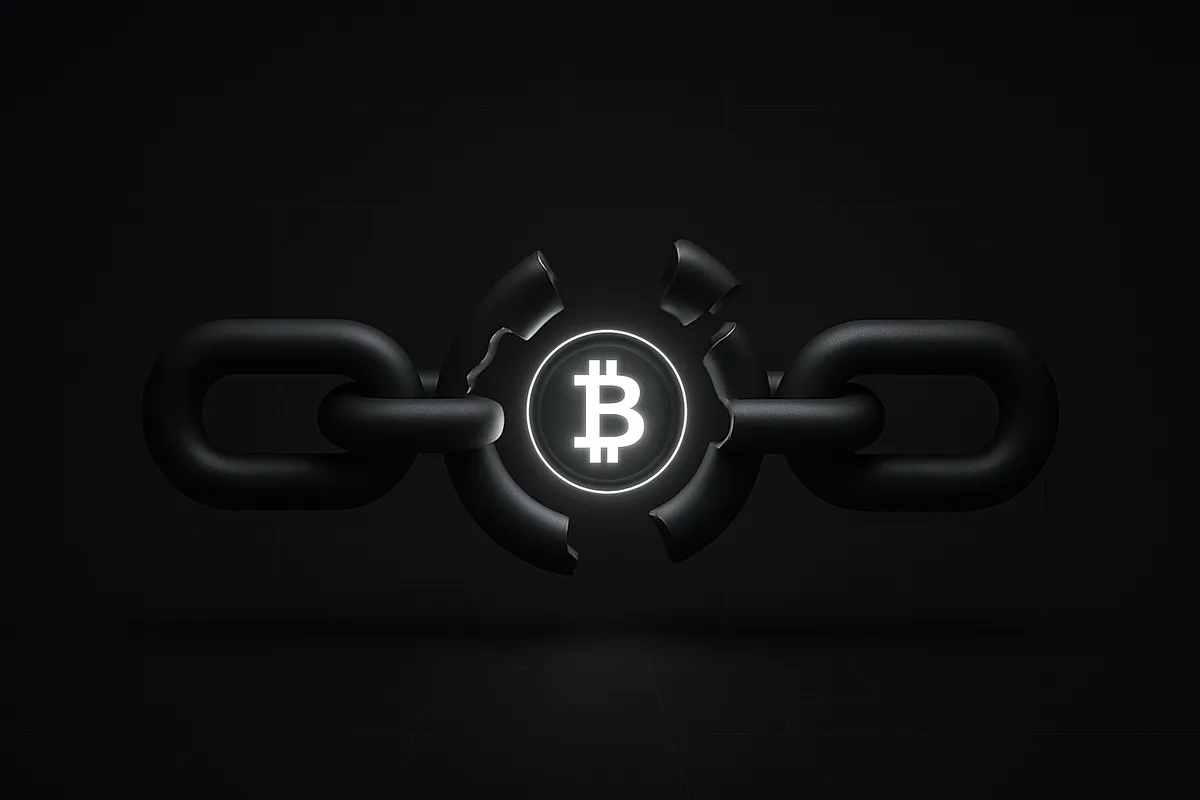
Share article
Share article
Fold just did the least sexy thing in crypto, and it might be one of the most bullish for its shareholders: it paid the debt.
Enjoy articles without ads?
Register for free and get unlimited access to all articles.
What Fold actually repaid, and why the structure mattered
By taking the notes out entirely, Fold removes:
- A future dilution overhang, since noteholders no longer have a path to convert into equity.
- Balance sheet complexity, which can weigh on valuations for public companies that want clean, readable financials.
- Collateral restrictions, because the notes were tied to pledged Bitcoin$80,693.80 that is now released.
That last point is the one crypto-native investors will obsess over.
The BTC collateral angle: unlocked liquidity and optionality
Fold said the repayment frees up its Bitcoin collateral. Translation: Bitcoin that had been locked up to secure the debt is now back under Fold's control.
That has a few practical implications:
-
More financial flexibility: Unencumbered Bitcoin can be held, re-pledged, or deployed depending on market conditions and corporate needs. Collateral that is tied up is dead weight from a treasury perspective.
-
Lower forced-selling risk: When Bitcoin is posted against a loan, sharp drawdowns can trigger margin calls, collateral top-ups, or ugly unwind scenarios. Clearing the debt reduces the chance of getting rekt by volatility mechanics rather than business fundamentals. [2]
-
Cleaner narrative for a Bitcoin rewards business: Fold's brand is built around earning Bitcoin rewards. Having a portion of the company's Bitcoin sitting behind a debt structure is not necessarily bad, but it complicates the story, especially for public market investors who are allergic to crypto leverage.
Fold did not frame this as a trading call on Bitcoin's price. It reads more like a move to de-risk and simplify as it pushes into expansion mode.
Why "convertible debt" is a big deal for public crypto-adjacent companies
Convertibles are common in growth finance, but in crypto-adjacent equities they carry extra baggage. Shareholders often price in a "maybe this turns into shares later" discount, especially when the company's stock is volatile.
Paying off convertibles can improve sentiment in a few ways:
- Reduces uncertainty around future share count. Analysts care about fully diluted shares, and convertibles can make forecasts messy.
- Signals balance sheet strength. A company that can retire debt is telling the market it has access to capital, cash flow, or financing alternatives that are not desperate.
- Removes a potential ceiling on the stock. Traders sometimes treat convertible conversion levels like a gravity zone because they expect selling pressure from hedge structures.
This is not a guarantee the stock pumps, but it often removes a reason to stay sidelined.
How this fits Fold's business: rewards, rails, and distribution
Fold operates as a Bitcoin financial services company with a rewards-first approach. The pitch is straightforward: consumers interact with everyday payments and financial products, and earn Bitcoin back. It is the "stack sats while you live your life" model, less degen, more distribution.
That business benefits from:
- Trust and continuity, because retail users hate weird surprises.
- Regulatory and operational steadiness, because payments and rewards touch banking partners and compliance.
- A clean capital structure, because counterparties and institutions care about solvency and liens.
So while repaying debt is not a product launch, it is the kind of groundwork that makes scaling easier.
The market context: Bitcoin up cycles punish leverage, reward clean treasuries
Over the last few cycles, the market has repeatedly watched companies and funds get forced into selling due to collateral calls, not because their core business failed. That has made both regulators and investors more sensitive to any structure that mixes operational growth with crypto-backed leverage. [4]
Fold retiring its convertible notes and freeing Bitcoin collateral is, at minimum, a move away from that failure mode. It does not make the business risk-free, but it does reduce the chances of a balance sheet headline drowning out execution.
Reading between the lines (without buying the PR)
Companies love to market debt repayment as a "strategic milestone." Sometimes it is just cleaning up yesterday's financing because the terms were annoying.
Still, a full payoff suggests at least one of these is true:
- Fold had enough cash or liquidity to retire the notes without compromising operations.
- Fold found a cheaper or less dilutive way to finance growth.
- Management wanted to remove a conversion overhang before pushing new products or initiatives, so the market cannot blame dilution later.
Without more detail on the repayment source, it is worth staying cautious. Paying off debt is great, but how you paid it off determines whether it is truly accretive (cash from operations is best, expensive replacement financing is less great).
What to watch next
If Fold's newly unencumbered Bitcoin position stays stable and the company uses the cleaner balance sheet to ship new products and grow users, watch for improving investor perception and tighter spreads around future financing.
If Bitcoin volatility spikes and Fold re-pledges collateral to lever up again, expect the market to re-price that risk fast, especially if the next filing shows new liens, new convertibles, or higher financing costs.