 See more like this on Google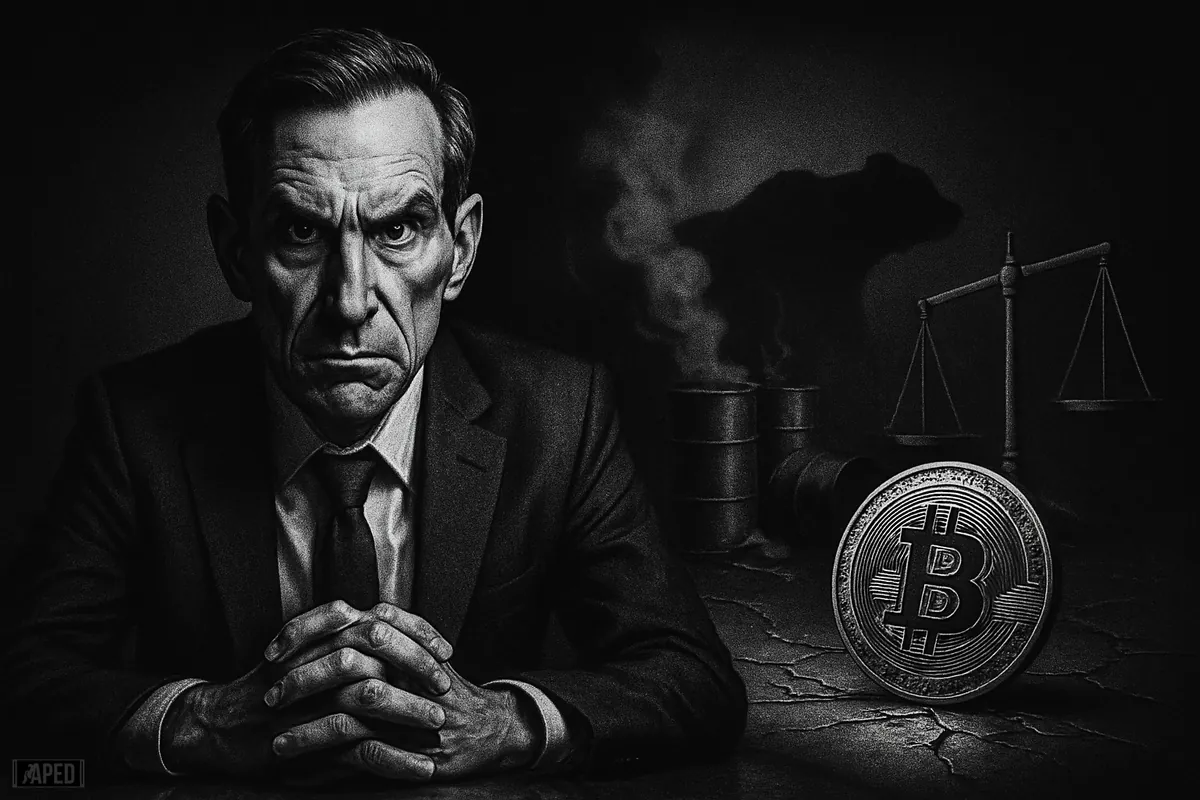
Share article
Share article
Enjoy articles without ads?
Register for free and get unlimited access to all articles.
The macro trade hiding underneath Bitcoin
At the centre of the argument is oil. A prolonged war involving Iran would matter less because of headlines and more because sustained pressure on energy markets could feed straight into consumer prices, transport costs and inflation expectations.
Why the market may be too relaxed
Bitcoin at roughly $66,800, based on the source pricing, does not look like an asset screaming geopolitical panic. Nor do broader market reactions, at least not yet. That is essentially the warning. If traders are pricing a contained event, then current levels may reflect complacency rather than resilience. [3]
That distinction matters. A market can believe in Bitcoin structurally and still sell it tactically if oil spikes, real yields stay elevated and liquidity tightens. Those are not contradictory views. They are what a cross-asset repricing looks like.
The inflation channel is the real threat
The cleanest way to think about Lavish's warning is not "war is bad for crypto." That is too blunt and often wrong. The more precise version is that a prolonged conflict could revive the inflation problem before central banks have properly finished dealing with the last one.
If that happens, several pressure points emerge at once:
Higher energy costs
Persistently higher crude feeds into household inflation and corporate margins. That tends to tighten financial conditions without a formal rate hike. [5]
Delayed or cancelled rate cuts
A market leaning on easing expectations can reprice sharply if policymakers turn more cautious. Bitcoin has repeatedly benefited from the idea that lower rates are coming. Remove that, and some of the optimism starts to look dodgy.
Stronger dollar, weaker risk appetite
Geopolitical stress and inflation uncertainty can boost demand for dollars and Treasurys at the same time as they weigh on speculative positioning. Crypto usually does not love that combination. [6]
Bitcoin is not just a victim in this setup
That means timing is everything. A prolonged Iran conflict does not automatically equal bullish Bitcoin next week or next month. It may instead create a two-step market: initial weakness or choppy repricing, then renewed interest if the episode exposes deeper flaws in the macro regime. [7]
What traders should actually watch
The smart read here is less about dramatic war headlines and more about transmission mechanisms. Oil is top of the list. If crude spikes and stays elevated, the inflation concern gets harder to dismiss as temporary noise.
The bottom line
Lavish is not saying Bitcoin cannot benefit from geopolitical disorder. He is saying the market may be underestimating the path it takes to get there. If the Iran conflict proves longer, costlier and more inflationary than traders expect, Bitcoin may first trade like a pressured risk asset before it gets a chance to trade like a hedge.
That is the proper risk box for this setup: the bullish long-term thesis survives, but the near-term positioning could still be offside. What would invalidate the warning? A genuine de-escalation, softer oil, and a macro backdrop that lets the Fed keep edging toward easier policy. Without that, the calm in Bitcoin may be less conviction than mispricing.