 See more like this on Google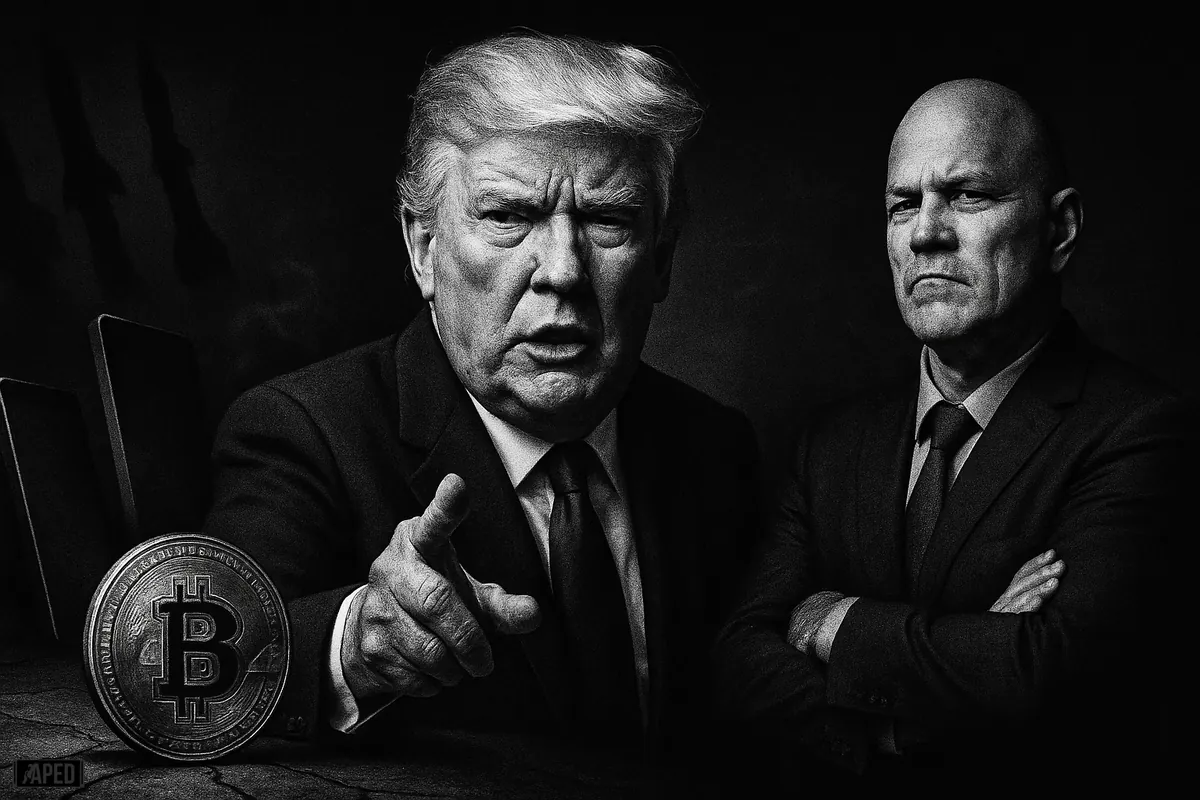
Share article
Share article
Enjoy articles without ads?
Register for free and get unlimited access to all articles.
A bad macro tape, but no fresh collapse
Why BTC looked stronger than expected
The panic was already priced better than people think
The crypto market had been bleeding for weeks before the geopolitical scare reached a peak. That means BTC was not entering the event from a position of crowded longs and frothy sentiment. It was entering from exhaustion.
The Crypto Fear and Greed Index sitting in "Extreme Fear" tells the same story. Traders were already defensive. In that setup, a fresh macro shock can still hurt, but it often produces less dramatic selling than people expect because the market is already positioned for pain.
Bitcoin held up better than the vibe suggested
Iran's crypto usage added another angle
One notable wrinkle came from reports that Iran was accepting crypto-related payments as tolls from ships moving through the Strait of Hormuz. That does not suddenly make Bitcoin a wartime safe haven. Let's not do fan fiction.
Still, it reinforces a real point: in stressed geopolitical corridors, crypto can become functional infrastructure, not just a speculative chip. Even limited utility stories can support the market's perception that digital assets have relevance when traditional rails are messy or politicized.
Trump headlines shook sentiment, not structure
This is where the distinction matters. Sentiment remained fragile, but price action did not fully confirm the fear. When price stops reacting to terrible headlines, traders pay attention.
Low volume cuts both ways
Novogratz's comment on weak volumes is probably the most important caveat in the whole story. A market holding steady on low participation is not the same as a market showing strong conviction.
So yes, Bitcoin looked resilient. But resilient is not the same as healthy. It just means the market did not break when it had a decent excuse to.
Why this matters for the next regime
This episode adds to a broader pattern from the last two years. Bitcoin increasingly trades like an asset that can absorb shocks after leverage resets, rather than one that reflexively implodes on every scary headline. That is a subtle shift, but an important one.
The bottom line
If BTC can hold this pattern with better volume and reclaim the mid-$70,000 area, the resilience story gets stronger. If geopolitics escalate and support breaks anyway, this was just a pause in a still-fragile market. [5]
People Referenced

Donald Trump
American real estate mogul, media personality, and former president who reshaped branding and politics.
Anthony Scaramucci
Anthony Scaramucci is the founder and managing partner of SkyBridge Capital, architect of the SALT conference, and a prominent financier and public fi
Mike Novogratz
Mike Novogratz is the founder and CEO of Galaxy Digital, a crypto-focused investment firm and former Fortress Investment Group executive.