 See more like this on Google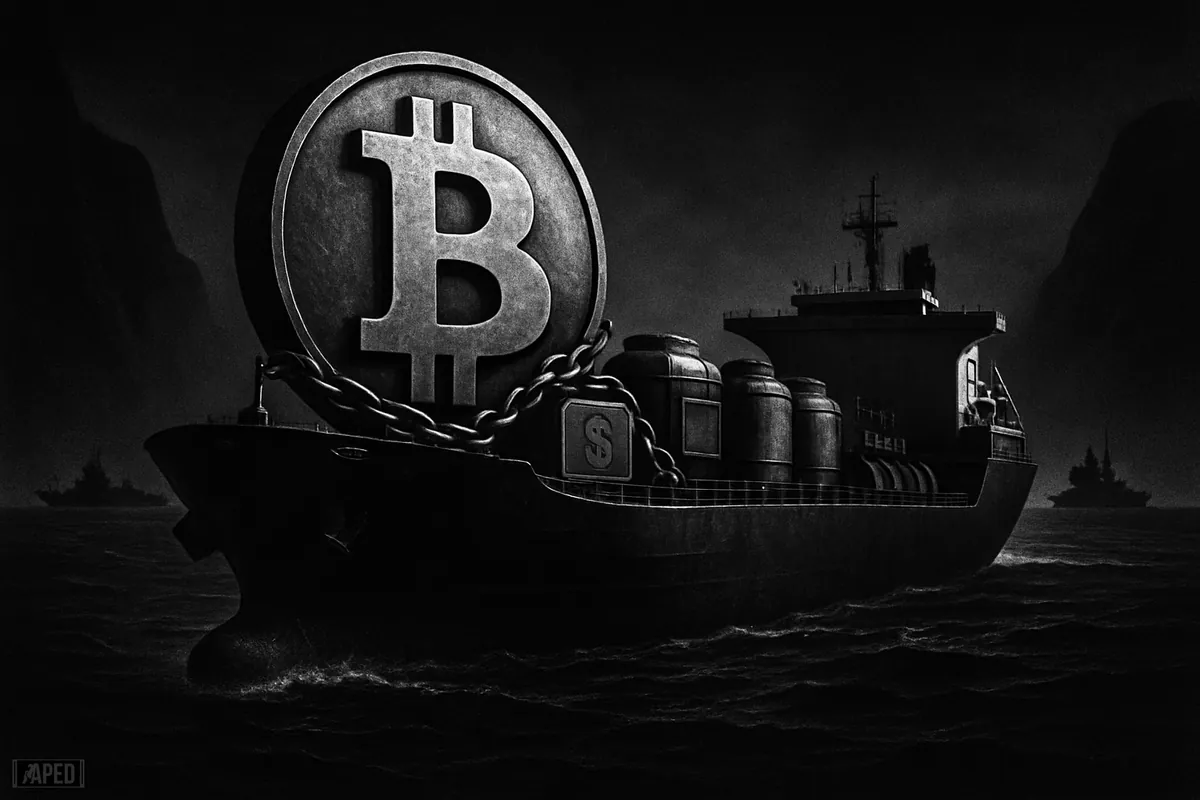
Share article
Share article
Rumor meets geopolitics, and Bitcoin$80,593.09 gets dragged into the group chat.
Reports that Iran could accept Bitcoin toll payments from oil tankers crossing the Strait of Hormuz have kicked off a familiar crypto argument: bullish signal for sovereign BTC use, or just a spicy headline with thin proof. The claim matters because Hormuz handles roughly one fifth of global oil flows, so even a partial crypto payment rail there would be a real-world use case, not another conference panel fantasy. [1]
Enjoy articles without ads?
Register for free and get unlimited access to all articles.
What sparked the debate
The latest round came after a Financial Times report published Wednesday said Iranian authorities were considering Bitcoin$80,593.09 payments for ship tolls. That quickly spilled into crypto circles, where traders, analysts, and policy watchers started asking the obvious question: is this actually happening, or are people front-running a narrative? [2]
Galaxy executive Alex Thorn said he was watching onchain data for signs that a tanker-related fee had moved in BTC. That is the key point. If Iran is using Bitcoin for a strategic chokepoint, there should eventually be some detectable footprint, even if attribution is messy. So far, the chatter is ahead of the receipts. [3]
Why Bitcoin people care
Sanctions avoidance is the subtext
This is not really about "mass adoption." It is about whether a sanctioned state can use Bitcoin$80,593.09 as a settlement tool where dollars are inconvenient, frozen, or politically toxic. That is a much narrower use case, but it is one markets take seriously because it touches state demand, capital controls, and the censorship resistance pitch Bitcoin has sold for years.
For Bitcoin bulls, the argument is simple: if even part of a globally important shipping route starts pricing access in BTC, the asset looks less like a speculative bag and more like neutral infrastructure. For skeptics, that is exactly why the story needs hard evidence. Big geopolitical claims have a habit of becoming engagement bait.
Practical frictions are real
Even if the report is directionally true, execution would be messy. Shipping tolls are operational payments, not ideological statements. Counterparties need clear wallet procedures, timing, exchange-rate handling, compliance workarounds, and some way to resolve disputes if transactions are delayed or misrouted. Bitcoin can settle value, sure, but running maritime logistics on a volatile bearer asset is not exactly plug-and-play.
There is also the surveillance paradox. Bitcoin is public. That is useful for verification, but not ideal for anyone trying to stay discreet under sanctions pressure. If Iran wanted crypto rails without the billboard effect, market observers would likely ask why BTC would be the preferred option over other less transparent methods. [4]
What the market still does not know
No public wallet addresses, payment confirmations, or corroborating shipping records have surfaced yet. That leaves the debate stuck between plausibility and proof. Iran has a history of engaging with crypto, especially around mining and sanctions-era financial workarounds, so the idea is not absurd on its face. But "not absurd" is a low bar.
The more specific the claim gets, tanker tolls, Hormuz, Bitcoin, state involvement, the higher the burden of evidence becomes. Without transaction data or official confirmation, traders should treat the story like any other macro-crypto crossover narrative: interesting, potentially important, and very easy to overprice.
Why it matters
If the claim holds up, Bitcoin gets a rare data point as sovereign-grade settlement infrastructure tied to physical trade. That would be bigger than another treasury allocation headline because it links BTC directly to commodity transit and geopolitical leverage.
If it does not, this becomes another case study in how fast crypto can build a thesis on a rumor. If onchain evidence appears, watch for policy backlash and fresh sanctions talk. If it does not, expect this narrative to cool just as fast as it pumped. [5]